
Blog
Do Barefoot Shoes Have Arch Support?

Understanding Barefoot Shoes and Arch Support
Barefoot shoes challenge conventional footwear design. Most traditional shoes feature built-in arch support, cushioned midsoles, and elevated heels. Barefoot shoes eliminate these features. They provide a zero-drop sole (no height difference between heel and toe), minimal cushioning, and a wide toe box.
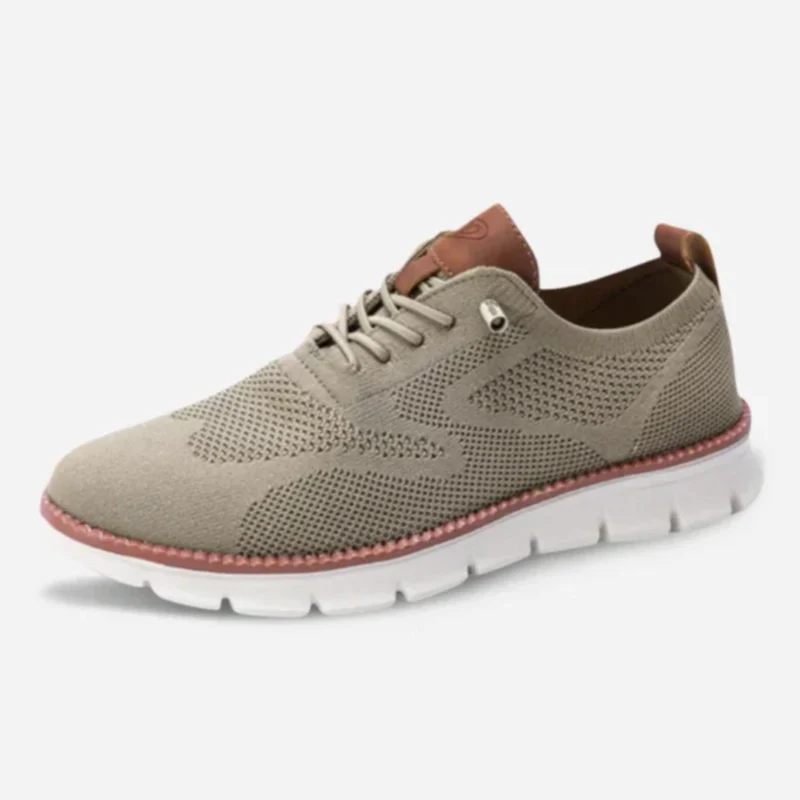
Every step you take matters—whether you’re exploring city streets, powering through your daily routine, or simply refusing to let foot discomfort slow you down. The CloudWalk – Ultra Comfortable Walking Shoes wraps your feet in therapeutic cushioning that turns pavement into clouds, so you can go farther, stay longer, and feel better doing it.
The answer is direct: barefoot shoes do not have traditional arch support. This design choice is intentional. Manufacturers create barefoot shoes to let your feet function naturally. Your foot contains 26 bones, 33 joints, and over 100 muscles, tendons, and ligaments. Barefoot shoes allow these structures to work without external support.
Traditional arch support props up the medial longitudinal arch (the main arch running along the inside of your foot). This support reduces the work your foot muscles perform. Barefoot shoes force your foot muscles to engage. Your arches must support your body weight independently. This approach strengthens your feet over time.
The History of Arch Support in Footwear
Humans walked barefoot for thousands of years. Our ancestors developed strong, resilient feet. The modern shoe industry began adding arch support in the early 1900s. Dr. William Mathias Scholl popularized arch supports in 1904. He believed external support would reduce foot pain and fatigue.
The concept gained widespread acceptance by the 1950s. Shoe manufacturers added medial posts, arch cookies, and rigid shanks to footwear. These features became standard. Medical professionals recommended arch support for various foot conditions. The industry marketed arch support as essential for foot health.
Research in the late 1900s began questioning this assumption. Studies showed that populations who walked barefoot had fewer foot problems than shoe-wearing populations. Scientists observed that feet could adapt and strengthen without external support. This research sparked interest in minimalist footwear.
The barefoot shoe movement gained momentum in 2009. Christopher McDougall published “Born to Run,” which popularized barefoot running. Vibram released the FiveFingers shoe in 2006, creating a commercial barefoot shoe category. Other brands followed. The market now offers hundreds of barefoot shoe options.
How Barefoot Shoes Work Without Arch Support
Your foot has three main arches:
- Medial longitudinal arch: Runs along the inside of your foot
- Lateral longitudinal arch: Runs along the outside of your foot
- Transverse arch: Runs across the width of your foot
These arches function as natural shock absorbers. They distribute force during walking and running. Traditional arch support interferes with this mechanism. The support takes over the job your muscles should perform.
Barefoot shoes use a zero-drop platform. Your heel sits at the same height as your forefoot. This position aligns your skeleton naturally. Your body weight distributes evenly across your foot. Your arches engage with each step.
The flexible sole allows your foot to bend and flex naturally. Your toes can spread. Your foot can adapt to different surfaces. This flexibility activates the small muscles in your feet. These muscles atrophy in traditional shoes but strengthen in barefoot shoes.
The wide toe box lets your toes splay naturally. This spreading action helps stabilize your foot. Your toes grip the ground. This grip enhances balance and proprioception (awareness of your body’s position in space).
Benefits of No Arch Support in Barefoot Shoes
Foot Strengthening
Your foot muscles must work harder without external support. This increased demand strengthens your intrinsic foot muscles. Studies show that barefoot shoe wearers develop stronger feet within 12-24 weeks.
Your plantar fascia (the thick band of tissue on the bottom of your foot) also strengthens. This tissue connects your heel to your toes. It supports your arches. Regular engagement makes it more resilient.
Improved Balance and Proprioception
Barefoot shoes provide ground feel. You sense texture, temperature, and surface changes. This sensory feedback improves your proprioception. Your body responds better to uneven terrain. Your risk of ankle sprains and falls decreases.
Natural Gait Pattern
Traditional shoes with arch support and heel elevation change your walking pattern. They encourage heel striking. Barefoot shoes promote a midfoot or forefoot strike. This pattern reduces impact forces on your joints.
Your posture improves. Zero-drop shoes align your spine naturally. Many users report reduced back pain after switching to barefoot shoes.
Reduced Dependency on Support
Arch support creates dependency. Your muscles weaken because the shoe does their job. Barefoot shoes reverse this process. Your feet become self-supporting. You rely less on external aids.
Potential Challenges and Transition Period
Initial Discomfort
Your feet may hurt when you start wearing barefoot shoes. Your muscles are weak from years in supportive shoes. This discomfort is normal. It signals your muscles are working.
Common complaints include:
- Arch pain or fatigue
- Calf tightness
- Achilles tendon soreness
- General foot fatigue
Transition Timeline
Most experts recommend a gradual transition. Start by wearing barefoot shoes for 30 minutes daily. Increase wear time by 15-30 minutes each week. A complete transition takes 3-12 months.
Your age, activity level, and foot condition affect transition time. Younger, more active individuals adapt faster. People with existing foot problems may need longer.
Who Should Be Cautious
Certain conditions require medical consultation before trying barefoot shoes:
- Severe flat feet (fallen arches with no arch height)
- Plantar fasciitis (inflammation of the plantar fascia)
- Diabetes with neuropathy (nerve damage affecting foot sensation)
- Arthritis in the feet or ankles
- Previous foot surgeries or injuries
Consult a podiatrist or physical therapist if you have these conditions. They can assess whether barefoot shoes suit your situation.
Comparison: Barefoot Shoes vs. Traditional Supportive Shoes
| Feature | Barefoot Shoes | Traditional Supportive Shoes |
|---|---|---|
| Arch Support | None (flat insole) | Built-in arch support |
| Heel-Toe Drop | 0mm (zero-drop) | 8-12mm typical |
| Sole Thickness | 3-10mm | 20-40mm |
| Sole Flexibility | Highly flexible | Rigid or semi-rigid |
| Toe Box Width | Wide, anatomical shape | Narrow, tapered shape |
| Weight | 4-8 oz per shoe | 10-14 oz per shoe |
| Ground Feel | Excellent sensory feedback | Minimal ground contact feeling |
| Muscle Engagement | High (strengthens feet) | Low (supports feet passively) |
Every step you take matters—whether you’re exploring city streets, powering through your daily routine, or simply refusing to let foot discomfort slow you down. The CloudWalk – Ultra Comfortable Walking Shoes wraps your feet in therapeutic cushioning that turns pavement into clouds, so you can go farther, stay longer, and feel better doing it.
Alternatives for Those Needing Arch Support
Removable Insoles
Some barefoot shoe users cannot go completely flat. They need gradual transition support. Removable insoles offer a solution. You can add minimal arch support initially, then remove it as your feet strengthen.
Look for thin, flexible insoles. Avoid thick, rigid orthotics. They defeat the purpose of barefoot shoes.
Hybrid Minimal Shoes
Some brands offer transitional minimalist shoes. These shoes have less support than traditional shoes but more than true barefoot shoes. They feature:
- Slight arch contour (not full support)
- Thin cushioning (5-15mm)
- Low heel-toe drop (4-6mm)
- Flexible soles
Brands like Altra and Topo Athletic make these hybrid options.
Custom Orthotics
People with severe foot deformities may need custom orthotics. A podiatrist creates these inserts from foot molds. They provide targeted support for specific issues.
Custom orthotics can fit in some barefoot shoes with removable insoles. However, this combination limits the strengthening benefits of barefoot shoes.
Selecting the Right Barefoot Shoes
Measure Your Feet Properly
Foot size changes when you switch to barefoot shoes. Your toes spread. Your arches may lower initially. Measure both feet while standing. Use these measurements to select shoes.
Most barefoot shoe brands provide detailed sizing guides. They measure length and width separately. Follow these guides carefully. Barefoot shoes should have 0.5-1 cm of space beyond your longest toe.
Consider Your Activities
Different activities require different barefoot shoe features:
Daily Wear: Choose casual barefoot shoes with durable soles. Leather or canvas uppers work well. Brands like Vivobarefoot, Xero Shoes, and Lems offer excellent options.
Running: Select barefoot running shoes with slightly more cushioning (4-8mm). Look for road or trail versions based on your running surface. Popular choices include Merrell Vapor Glove and Vivobarefoot Primus.
Hiking: Pick barefoot hiking boots with protective soles. You need puncture resistance for trails. Ankle support is optional. Options include Vivobarefoot Tracker and Xero Shoes Xcursion.
Water Activities: Find barefoot water shoes with quick-dry materials. Drainage ports help water escape. Vibram FiveFingers and Xero Shoes offer water-friendly models.
Formal Occasions: Look for barefoot dress shoes. They maintain a professional appearance while providing barefoot benefits. Brands like Ahinsa and Groundies create formal barefoot shoes.
Check Sole Flexibility
Bend the shoe in your hands. It should flex easily at the ball of the foot. The sole should be pliable, not stiff. This flexibility allows natural foot movement.
Examine the Toe Box
Place your foot on paper. Trace around it. Compare this outline to the shoe’s insole. The shoe should match or exceed your foot’s width. Your toes should not touch the sides when you wiggle them.
Maintenance and Care for Barefoot Shoes
Cleaning Methods
Most barefoot shoes are machine washable. Remove insoles first. Use cold water and gentle cycle. Air dry only. Never use a dryer. Heat damages the glue and materials.
For leather barefoot shoes, use leather cleaner and conditioner. Apply waterproofing treatments as needed. Brush off dirt after each wear.
Extending Shoe Life
Barefoot shoes wear faster than traditional shoes. The thin soles offer less material. Rotate between multiple pairs. This practice extends the life of each pair.
Store shoes in a cool, dry place. Avoid direct sunlight. UV rays degrade materials. Stuff shoes with newspaper to maintain shape.
When to Replace
Replace barefoot shoes when:
- Sole thickness reduces by 50%
- Holes appear in the upper
- Sole separates from the upper
- Loss of flexibility occurs
Most barefoot shoes last 6-18 months with regular use. Running shoes wear faster (300-500 miles typical).
Making the Final Decision
Barefoot shoes lack traditional arch support by design. This absence serves a purpose. It strengthens your feet and restores natural function. The transition requires patience and commitment.
Consider your current foot health. Evaluate your activity level. Consult a healthcare provider if you have existing foot problems. Start slowly. Listen to your body. Pain that persists beyond normal muscle soreness indicates you need to slow down.
Your feet spent years in supportive shoes. They need time to adapt. Give them that time. The benefits of stronger, more functional feet make the transition worthwhile for most people.
Research your options carefully. Try on multiple brands. Each company uses different lasts (foot shapes). What works for others may not work for you. Purchase from retailers with good return policies. You may need to try several pairs before finding your perfect fit.
The barefoot shoe market continues growing. New brands emerge regularly. Technology improves. You have more choices now than ever before. This variety helps you find shoes that match your needs and preferences.
Every step you take matters—whether you’re exploring city streets, powering through your daily routine, or simply refusing to let foot discomfort slow you down. The CloudWalk – Ultra Comfortable Walking Shoes wraps your feet in therapeutic cushioning that turns pavement into clouds, so you can go farther, stay longer, and feel better doing it.