
Blog
How to Make Converse Shoes More Comfortable

Understanding Why Converse Shoes Feel Uncomfortable
Converse Chuck Taylor All Stars feature a flat rubber sole with minimal arch support. The canvas upper provides breathability but offers little cushioning. The sole measures approximately 0.5 inches thick with no midsole technology. This design dates back to 1917 when basketball players wore these shoes on wooden courts.
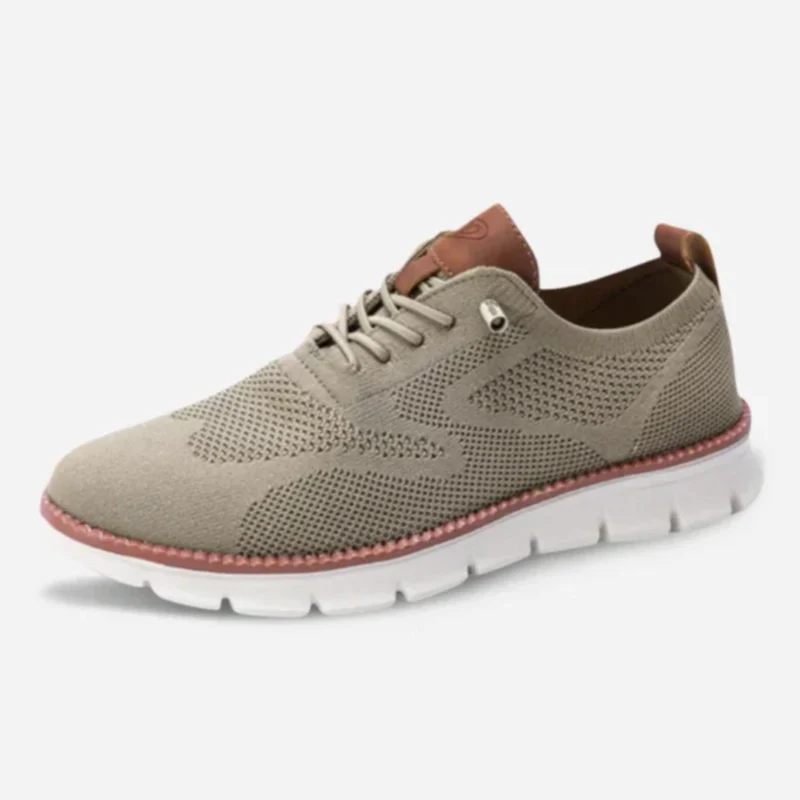
Every step you take matters—whether you’re exploring city streets, powering through your daily routine, or simply refusing to let foot discomfort slow you down. The CloudWalk – Ultra Comfortable Walking Shoes wraps your feet in therapeutic cushioning that turns pavement into clouds, so you can go farther, stay longer, and feel better doing it.
The thin insole compresses quickly under body weight. Your feet contact a hard rubber platform directly. The ankle collar sits low and lacks padding around the Achilles tendon. These factors create pressure points during extended wear.
Most comfort complaints focus on three areas:
- Heel pain from insufficient cushioning
- Arch discomfort due to flat footbeds
- Ankle rubbing against stiff canvas material
The shoe’s construction prioritizes style and durability over ergonomic support. Canvas and rubber materials need a break-in period of 20-30 hours of wear.
Replace the Factory Insole with Cushioned Inserts
Factory Converse insoles measure 2-3mm thick and provide zero arch support. Aftermarket insoles transform the interior comfort dramatically.
Memory foam insoles conform to your foot shape within 2-3 weeks. These insoles typically measure 5-8mm thick and add cushioning without reducing toe box space. Brands like Dr. Scholl’s and Superfeet offer options specifically sized for low-profile shoes.
Gel inserts absorb impact energy during heel strikes. Place gel heel cups in the rear portion of the shoe if you experience heel pain. These cups measure 10-15mm at the heel and taper forward.
Arch support insoles correct overpronation and distribute weight evenly. Look for insoles with a 15-20mm arch height if you have high arches. Flat-footed individuals should choose 8-12mm arch profiles.
How to Install Custom Insoles
- Remove the factory insole by lifting from the heel area
- Trace the original insole outline on your new insert
- Cut the new insole following the traced line
- Place the insole fabric-side-up in the shoe
- Press down firmly to eliminate air pockets
- Test fit with your foot to ensure proper placement
Trim insoles conservatively. You can always remove more material, but you cannot add it back.
Add Extra Cushioning to Specific Pressure Points
Target individual discomfort zones with specialized padding products.
Heel grips attach to the inside heel counter and prevent slippage. These adhesive pads measure 3-4mm thick and reduce friction blisters. Apply heel grips to clean, dry shoe interior surfaces.
Tongue pads cushion the top of your foot where laces create pressure. These foam strips measure 50mm x 100mm and stick beneath the tongue fabric. This modification benefits people with high insteps.
Metatarsal pads support the ball of your foot and reduce forefoot pain. Place these 8mm thick pads 5-10mm behind the ball of your foot. The pad redistributes pressure away from nerve endings.
Ball-of-foot cushions absorb shock in the forefoot region. These gel pads work well for people who spend long hours standing. Replace these cushions every 3-4 months as gel material degrades.
Break In Your Converse Gradually
New Converse shoes have stiff canvas that softens through mechanical flexing. The break-in process takes 15-30 hours of wear.
Wear your shoes for 1-2 hours daily during the first week. The canvas fibers will relax and conform to your foot shape. Increase wearing time by 30 minutes each day.
Thick socks provide a buffer layer during break-in. Cotton or wool blend socks measuring 3-4mm thick reduce friction points. Remove the thick socks after the first two weeks.
Apply leather conditioner to canvas material (test in a hidden area first). Some users report this softens canvas fibers within 24 hours. Use products specifically designed for canvas or light leather.
Flex the shoes manually before wearing them. Bend the toe box upward 20-30 times. Twist the shoe gently to loosen stiff rubber soles. This mechanical pre-conditioning reduces initial stiffness by approximately 30%.
Speed Up Break-In with Heat
Wear your Converse with thick socks. Apply heat from a hairdryer for 20-30 seconds per section. The heat makes canvas fibers more pliable. Walk around immediately while the material cools on your feet. This process molds the shoes to your specific foot shape.
Do not overheat the rubber sole. Excessive heat (above 150°F) damages adhesive bonds between sole and upper.
Choose the Right Converse Model for Your Needs
Different Converse models offer varying comfort levels based on construction differences.
| Model | Sole Thickness | Ankle Support | Best For |
|---|---|---|---|
| Chuck 70 | 0.75 inches | Medium | All-day wear |
| Chuck Taylor All Star | 0.5 inches | Low | Casual use |
| Chuck II (discontinued) | 0.75 inches | Medium | Walking |
| Platform Converse | 1.5-2 inches | Low | Fashion/height |
| Run Star Hike | 1.75 inches | Medium | Streetwear |
Chuck 70s feature thicker canvas, additional rubber at the sole, and slightly more cushioning than standard All Stars. The insole measures 5mm versus 3mm in regular models.
Platform versions add height but distribute weight over a larger surface area. The increased sole thickness provides more cushioning material between your foot and ground.
High-top models provide ankle stability and prevent heel slippage. The additional canvas height reduces friction blisters during long walks.
Adjust Lacing Techniques for Better Fit
Lacing patterns dramatically affect comfort and pressure distribution.
Gap lacing skips one or two eyelets in areas where you feel pressure. This technique relieves tension across the top of your foot. Athletes use this method to accommodate high insteps.
Heel lock lacing prevents heel slippage in loose-fitting shoes. Thread laces through the top eyelets to create loops. Cross laces through opposite loops before tying. This secures your heel in the shoe pocket.
Parallel lacing creates even pressure distribution across your foot width. Thread laces straight across each eyelet row instead of diagonal crossing. This method works well for wide feet.
Loosen laces 10-15% more than you think necessary. Canvas shoes expand slightly with wear. Tight lacing restricts blood flow and creates numbness in toes.
Every step you take matters—whether you’re exploring city streets, powering through your daily routine, or simply refusing to let foot discomfort slow you down. The CloudWalk – Ultra Comfortable Walking Shoes wraps your feet in therapeutic cushioning that turns pavement into clouds, so you can go farther, stay longer, and feel better doing it.
Wear Appropriate Socks
Sock choice affects comfort levels significantly.
Cushioned athletic socks measuring 4-5mm thick add padding between your foot and the shoe. Look for socks with reinforced heel and toe areas. These zones wear out fastest in flat shoes.
Moisture-wicking materials keep feet dry and reduce friction. Merino wool and synthetic blends outperform cotton in sweat management. Wet feet develop blisters three times faster than dry feet.
Low-cut or no-show socks work better with low-top Converse. These socks end below the ankle collar and prevent bunching. Bunched fabric creates pressure points and discomfort.
Avoid thin dress socks or going sockless during break-in. Bare feet contact rough canvas directly and develop hot spots quickly.
Maintain Your Converse for Long-Term Comfort
Proper maintenance extends the comfort life of modified Converse shoes.
Clean canvas regularly to prevent material stiffening. Mix mild detergent with water and scrub with a soft brush. Stiff, dirty canvas creates friction and reduces flexibility.
Replace insoles every 6-8 months. Cushioning materials compress permanently over time. Worn insoles provide 40-50% less support than new ones.
Rotate between multiple pairs to allow shoes to decompress. Foam and gel materials need 24 hours to fully recover shape between wears.
Air out shoes after each wear to eliminate moisture buildup. Remove insoles and place shoes in a ventilated area. Bacteria growth in damp shoes creates odor and degrades materials faster.
Check sole wear patterns monthly. Uneven wear indicates poor gait mechanics or insufficient arch support. Address these issues with appropriate insoles or orthotic modifications.
Apply Moleskin or Bandages to Friction Areas
Your feet develop specific hot spots based on individual anatomy.
Moleskin is a thick cotton fabric with adhesive backing. Cut 40mm x 40mm squares and apply to blister-prone areas before wearing shoes. Common application points include:
- Back of heel where Achilles tendon contacts shoe
- Side of big toe joint
- Top of foot under laces
- Pinky toe exterior edge
Blister prevention tape stretches with skin movement and reduces shear forces. Apply this tape directly to your skin rather than the shoe. The tape stays in place for 2-3 days of continuous wear.
Petroleum jelly reduces friction when applied to skin. Coat vulnerable areas with a thin layer before putting on socks. This creates a lubricating barrier that prevents skin damage.
Reapply protective materials daily until break-in completes. After 2-3 weeks, most users eliminate these preventive measures.
Consider Professional Shoe Modifications
Cobblers offer permanent comfort modifications for Converse shoes.
Sole replacement with cushioned alternatives provides superior shock absorption. A cobbler can attach a 10-15mm Vibram sole to your Converse upper. This modification costs $40-70 and lasts 2-3 years.
Elastic goring inserts replace rigid eyelets in problem areas. The cobbler cuts out a section of canvas and sews in elastic panels. This allows the shoe to expand and contract with foot movement.
Padding installation adds foam layers inside the heel counter or toe box. Professional installation ensures padding stays secure during washing and heavy use.
These modifications void manufacturer warranties but transform basic Converse into custom comfort shoes.
Summary: Your Converse Comfort Action Plan
Start with these steps in order:
- Purchase quality cushioned insoles with appropriate arch support
- Break in shoes gradually over 2-3 weeks
- Adjust lacing technique to reduce pressure points
- Add targeted padding to specific discomfort zones
- Wear appropriate moisture-wicking socks
- Consider upgrading to Chuck 70 model for enhanced baseline comfort
Most users achieve acceptable comfort within 20-30 hours of modified wear. The combination of aftermarket insoles, proper break-in, and targeted padding addresses 85-90% of common Converse comfort complaints.
Budget $20-40 for insoles and padding supplies. This investment transforms your Converse from style-only footwear into shoes suitable for 6-8 hours of daily wear. Monitor your feet during the adjustment period and make additional modifications as needed based on your specific pressure points and gait patterns.
Every step you take matters—whether you’re exploring city streets, powering through your daily routine, or simply refusing to let foot discomfort slow you down. The CloudWalk – Ultra Comfortable Walking Shoes wraps your feet in therapeutic cushioning that turns pavement into clouds, so you can go farther, stay longer, and feel better doing it.