
Blog
How to Make High Heel Shoes Comfortable

Understanding the Comfort Challenge
High heels shift your body weight forward. This creates pressure on the balls of your feet. The average high heel transfers 75% of your body weight to the front of your foot. A flat shoe distributes weight evenly across your entire foot.
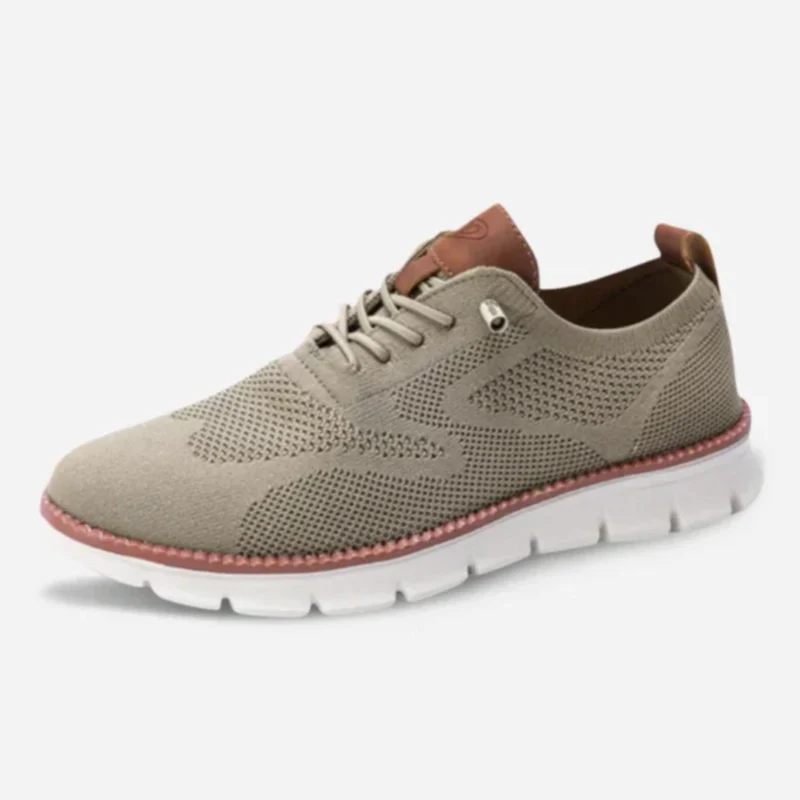
Every step you take matters—whether you’re exploring city streets, powering through your daily routine, or simply refusing to let foot discomfort slow you down. The CloudWalk – Ultra Comfortable Walking Shoes wraps your feet in therapeutic cushioning that turns pavement into clouds, so you can go farther, stay longer, and feel better doing it.
Your body compensates for this imbalance. Your lower back curves more. Your calf muscles tighten. Your toes compress into a narrow toe box. These changes cause pain after extended wear.
The history of high heels dates back to the 10th century. Persian cavalry wore heels to secure their feet in stirrups. European aristocrats adopted heels in the 1600s as status symbols. Modern high heels emerged in the 1950s. Designer Roger Vivier created the stiletto heel in 1954. Since then, comfort technology has advanced significantly.
Choose the Right Heel Height
Your ideal heel height depends on your foot structure and experience level. Start with these guidelines:
Beginner wearers: 1-2 inches Intermediate wearers: 2-3 inches
Advanced wearers: 3-4 inches Professional dancers: 4+ inches
A kitten heel measures 1.5-2 inches. This height provides elegance without extreme pressure. A mid heel ranges from 2-3 inches. This offers a balance between style and comfort. A high heel exceeds 3 inches. These require proper preparation and support.
Test your comfort threshold at home. Wear heels for 30 minutes on carpet. Walk around your space. Note any pain points. Increase the duration gradually.
Select the Proper Heel Shape
The heel shape affects your stability. Different shapes distribute weight differently.
| Heel Type | Width at Base | Stability Level | Best For |
|---|---|---|---|
| Stiletto | 0.5-1 inch | Low | Short wear periods |
| Block | 1.5-2.5 inches | High | All-day wear |
| Wedge | Full foot length | Very High | Standing jobs |
| Kitten | 1-1.5 inches | Medium | Office environments |
| Platform | Varies | Medium-High | Height with less arch |
A block heel provides maximum stability. The wide base prevents wobbling. Your ankle stays aligned over the heel. This reduces strain on your Achilles tendon.
A wedge heel distributes pressure evenly. The solid construction supports your arch. Your foot rests on a continuous surface. This eliminates the gap between heel and toe.
A platform heel reduces the effective height. A 4-inch heel with a 1-inch platform creates only 3 inches of actual lift. Your foot angle decreases. This reduces ball-of-foot pressure by approximately 35%.
Invest in Quality Materials
Premium materials flex with your foot. They breathe better. They maintain their shape longer.
Leather uppers mold to your foot over time. Full-grain leather offers the best quality. Top-grain leather provides good durability at a lower price. Genuine leather represents the lowest quality tier.
Suede offers immediate softness. The napped texture reduces friction. This prevents blisters on sensitive skin.
Memory foam insoles cushion impact. They conform to your unique foot shape. Replace them every 6 months with regular wear.
Rubber outsoles provide traction. They absorb shock better than leather soles. They prevent slipping on smooth surfaces.
Avoid synthetic materials for extended wear. Plastic and polyurethane trap moisture. Your feet swell in hot conditions. This increases discomfort.
Find Your Correct Size
Most women wear the wrong shoe size. Your feet change over time. Pregnancy, weight fluctuations, and aging affect foot dimensions.
Measure your feet annually. Use a Brannock device at a shoe store. Measure both feet. Buy shoes that fit your larger foot.
Key measurements include:
- Length: Heel to longest toe
- Width: Across the ball of your foot
- Arch length: Heel to ball of foot
- Instep height: Top of your foot at the ankle
High heels should fit snugly at the heel. Your heel should not slip when walking. Allow a quarter-inch of space past your longest toe. Your toes should not touch the front of the shoe.
Width matters significantly. Narrow shoes compress your toes. Wide shoes allow sliding. Both scenarios cause blisters and calluses.
Use Strategic Padding
Padding reduces pressure on pain-prone areas. Place cushions strategically for maximum effect.
Ball-of-foot cushions sit under your metatarsal heads. These gel or foam pads absorb impact. They reduce pressure by 40-50%. Position them behind the widest part of your foot.
Heel grips prevent slipping. They stick to the inside heel counter. They fill excess space in slightly large shoes. They protect against blisters on your Achilles tendon.
Toe caps cushion your toes in pointed shoes. Silicone versions work best. They prevent bruising and black toenails.
Arch supports maintain your foot’s natural curve. They prevent your arch from collapsing. This reduces fatigue in your plantar fascia.
Test different padding combinations. Your optimal setup depends on your foot shape and the shoe design.
Break In Your Shoes Properly
New shoes need gradual adaptation. Leather stretches 3-5% with wear. This process takes time.
Follow this break-in schedule:
- Day 1-2: Wear at home for 30 minutes
- Day 3-4: Wear at home for 1 hour
- Day 5-6: Wear for short errands (30 minutes)
- Day 7-8: Wear for longer outings (1-2 hours)
- Week 2: Gradually increase to full-day wear
Speed up leather stretching with these methods:
- Shoe stretcher: Insert overnight with stretching spray
- Thick socks: Wear with heels at home using a hairdryer on tight spots
- Professional stretching: Cobblers use specialized equipment
- Freezing method: Fill bags with water, insert in shoes, freeze overnight
Focus on problem areas. The vamp often needs stretching. The toe box requires attention in pointed styles.
Every step you take matters—whether you’re exploring city streets, powering through your daily routine, or simply refusing to let foot discomfort slow you down. The CloudWalk – Ultra Comfortable Walking Shoes wraps your feet in therapeutic cushioning that turns pavement into clouds, so you can go farther, stay longer, and feel better doing it.
Strengthen Your Feet and Ankles
Strong muscles support high heel wear. Your body adapts better to the biomechanical changes.
Perform these exercises daily:
Toe curls: Place a towel on the floor. Use your toes to scrunch it toward you. Repeat 10 times per foot.
Calf raises: Stand on a step. Lower your heels below the step level. Raise up on your toes. Complete 15 repetitions.
Ankle circles: Rotate each ankle 10 times clockwise. Repeat counterclockwise. This improves range of motion.
Arch strengthening: Place a tennis ball under your foot. Roll it from heel to toe. Apply moderate pressure. Continue for 2 minutes per foot.
Balance exercises: Stand on one foot for 30 seconds. Progress to standing on a pillow. This activates stabilizing muscles.
Consistency matters more than intensity. Five minutes daily produces better results than occasional long sessions.
Apply Preventive Care
Preparation reduces pain during wear. Take these steps before putting on heels.
Moisturize your feet: Apply cream daily. Focus on your heels and balls of your feet. Soft skin resists friction better.
Use anti-friction products: Apply balms or sticks to blister-prone areas. Products containing dimethicone or petroleum jelly work well.
Tape your toes: Use medical tape to bind your third and fourth toes together. This reduces nerve pressure. The technique stems from podiatric medicine. It decreases ball-of-foot pain by approximately 30%.
Trim your toenails: Keep nails short and straight across. Long nails press against shoe fronts. This causes bruising and ingrown nails.
Warm up your feet: Rotate ankles and flex toes before wearing heels. Increased blood flow improves comfort.
Maintain Proper Posture
Correct alignment reduces strain. Your body position affects heel comfort significantly.
Head position: Keep your head level. Look forward, not down. Your chin should stay parallel to the ground.
Shoulder alignment: Pull shoulders back and down. Avoid hunching forward. This maintains spinal balance.
Core engagement: Tighten your abdominal muscles slightly. This supports your lower back. It counteracts the forward weight shift.
Hip placement: Keep hips directly under your shoulders. Avoid pushing hips forward or backward. This prevents lower back pain.
Knee position: Maintain soft knees. Locked knees increase impact on joints. Slight flexion absorbs shock.
Foot placement: Step heel-to-toe. Keep steps shorter than normal. Point toes forward, not outward.
Practice walking in heels at home. Use a mirror to check your form. Muscle memory develops with repetition.
Take Regular Breaks
Continuous wear increases discomfort exponentially. Strategic breaks restore circulation and reduce swelling.
Follow the 30-minute rule. Sit down every half hour. Remove your shoes if possible. Elevate your feet above heart level.
Desk workers: Keep flats under your desk. Switch shoes every 2 hours. This gives your feet recovery time.
Event attendees: Excuse yourself to the restroom. Massage your feet briefly. Flex and point your toes 10 times.
Long workdays: Alternate between heels and supportive flats. Wear heels for meetings. Switch to flats for desk work.
Stretching during breaks helps significantly. Point and flex your feet. Roll your ankles. This maintains blood flow.
Choose Event-Appropriate Heels
Match your heel type to your activity level. Different situations require different heel features.
Seated dinners: Prioritize style over comfort features. You walk minimally. Choose your highest or most fashionable heels.
Standing receptions: Select block heels or wedges. You need stability. Aim for 2-3 inch heights maximum.
Dancing events: Choose ankle straps. They keep shoes secure during movement. Pick cushioned insoles. Avoid stilettos.
All-day professional events: Wear low block heels or kitten heels. Comfort becomes critical. Consider platform styles for added height with less angle.
Outdoor events: Select wedges or thick heels. Thin heels sink into grass or gravel. Heel stoppers provide temporary protection but limit mobility.
Store Heels Correctly
Proper storage extends shoe life. It maintains the shape and support features.
Use shoe trees: Cedar shoe trees absorb moisture. They prevent leather from cracking. They maintain toe box shape.
Store upright: Stand heels on shelves. Avoid stacking shoes. Weight compresses cushioning materials.
Keep in dust bags: Fabric bags protect from dust and light. Light degrades materials over time.
Control temperature: Store in cool, dry locations. Heat damages adhesives. Humidity promotes mold growth.
Rotate your collection: Avoid wearing the same heels consecutive days. Materials need 24 hours to dry and recover.
Replace Worn Components
Even quality heels wear out. Regular maintenance preserves comfort features.
Heel tips: Replace rubber or plastic tips when worn 2-3mm. Worn tips alter your gait. They reduce shock absorption.
Insoles: Swap cushioning every 6 months with regular wear. Compressed foam loses effectiveness.
Outsoles: Resole leather soles when worn thin. Rubber soles need replacement when treads disappear.
Professional cobblers perform these services. Costs range from $10-40 per repair. This investment extends shoe life by years.
Summary of Selection Steps
Making high heels comfortable requires multiple strategies working together. Start with proper shoe selection. Choose appropriate heel heights for your experience level. Select stable heel shapes like blocks or wedges. Invest in quality leather and cushioning materials.
Ensure correct sizing across length, width, and arch dimensions. Add strategic padding to pressure points. Break in new shoes gradually over two weeks. Strengthen your feet with daily exercises.
Apply preventive care before wearing heels. Maintain proper posture during wear. Take regular breaks every 30 minutes. Match heel types to your specific activities. Store shoes correctly to preserve their structure. Replace worn components promptly.
These techniques work synergistically. No single method solves all comfort issues. Combine multiple strategies for optimal results. Your feet will thank you.
Every step you take matters—whether you’re exploring city streets, powering through your daily routine, or simply refusing to let foot discomfort slow you down. The CloudWalk – Ultra Comfortable Walking Shoes wraps your feet in therapeutic cushioning that turns pavement into clouds, so you can go farther, stay longer, and feel better doing it.