
Blog
How to Make Steel Toe Shoes More Comfortable

Understanding Steel Toe Shoe Discomfort
Steel toe shoes protect your feet from heavy objects, punctures, and compression injuries. However, many workers experience pain and discomfort during long shifts. The steel cap adds weight and reduces flexibility. The rigid structure limits natural foot movement. Poor fit causes pressure points that lead to blisters, bruises, and foot fatigue.
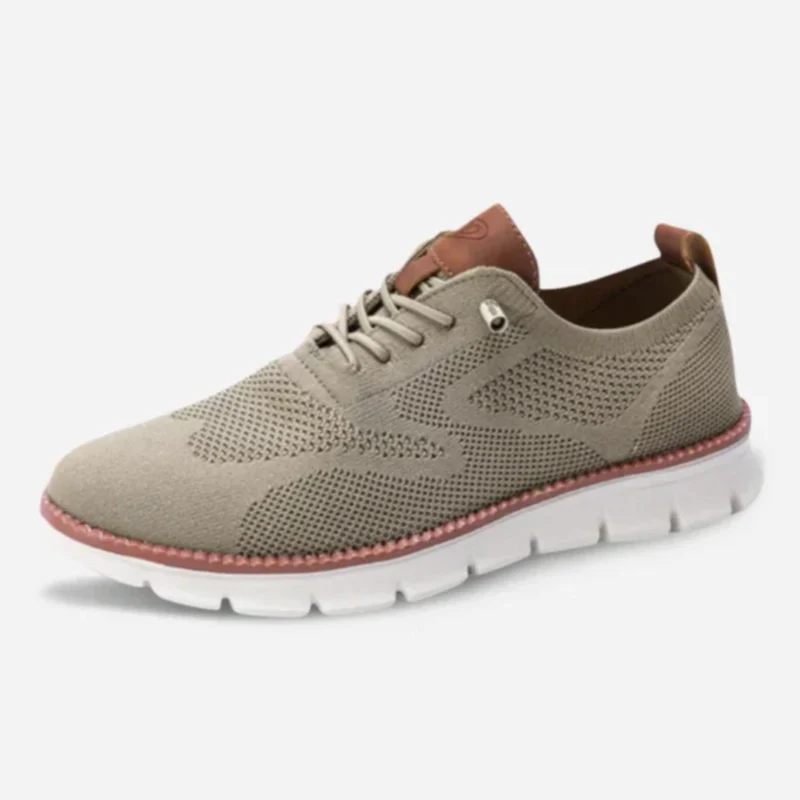
Every step you take matters—whether you’re exploring city streets, powering through your daily routine, or simply refusing to let foot discomfort slow you down. The CloudWalk – Ultra Comfortable Walking Shoes wraps your feet in therapeutic cushioning that turns pavement into clouds, so you can go farther, stay longer, and feel better doing it.
The discomfort stems from three main factors: improper sizing, inadequate break-in periods, and lack of proper accessories. Standard safety shoes prioritize protection over comfort. Manufacturers build them with dense materials that resist wear but feel stiff against your skin. The steel cap sits directly above your toes, creating a hard barrier that rubs during movement.
Workers in construction, manufacturing, and warehousing spend 8-12 hours on their feet daily. Uncomfortable safety footwear reduces productivity and increases injury risk. Your body compensates for foot pain by changing your gait. This leads to knee, hip, and back problems over time.
The Evolution of Steel Toe Footwear
Steel toe boots emerged in the early 1930s in Germany. Factory workers needed protection from falling machinery parts. The original designs used heavy steel plates that covered the entire toe box. These early versions weighed over 5 pounds per boot.
American companies adopted steel toe designs during World War II. Manufacturing plants required protective footwear for assembly line workers. The American National Standards Institute (ANSI) established safety standards in 1967. These regulations defined impact resistance and compression requirements.
Modern steel toe shoes evolved significantly after 2000. Manufacturers introduced composite materials as alternatives to steel. Aluminum alloys and carbon fiber caps reduced weight by 30-50%. Ergonomic design principles improved fit and flexibility. Memory foam insoles and moisture-wicking linings enhanced comfort levels.
Today’s safety shoes combine protection with advanced comfort features. Brands invest in research to reduce fatigue and improve wearability. The global safety footwear market reached $7.2 billion in 2023, driven by demand for comfortable protective gear.
Choosing the Right Size and Fit
Proper sizing forms the foundation of comfortable steel toe shoes. Most discomfort issues trace back to incorrect measurements. Your feet swell during the day, expanding up to half a size by evening. Always measure your feet at the end of your shift for accurate sizing.
Follow these steps for precise fitting:
- Measure both feet while standing
- Use a Brannock device for length and width
- Account for sock thickness
- Allow 0.5 inches of space between your longest toe and the shoe end
- Ensure the widest part of your foot aligns with the widest part of the shoe
Steel toe shoes run differently than regular footwear. The steel cap takes up space inside the toe box. You may need to size up by half or a full size. Width sizing matters as much as length. Narrow feet slide inside wide shoes, causing friction and blisters.
Test the fit by walking on different surfaces. Stand on your toes and bend your knees. The heel should stay locked in place without slipping. Your toes should wiggle freely without touching the steel cap. Press down on the top of the shoe to check toe room.
Width Classifications Explained
| Width Code | Description | Foot Type |
|---|---|---|
| B | Narrow | Thin feet with low volume |
| D | Standard/Medium | Average foot width |
| EE (2E) | Wide | Broader forefoot area |
| EEE (3E) | Extra Wide | Very broad feet |
| EEEE (4E) | XX-Wide | Maximum width available |
Breaking In Your Steel Toe Shoes
New steel toe shoes require a break-in period of 2-4 weeks. The stiff materials need time to mold to your foot shape. Rushing this process causes unnecessary pain and damage to your feet.
Start by wearing your new shoes for 2-3 hours daily. Gradually increase wear time by one hour each day. Keep your old shoes available for the remaining work hours. This progressive approach softens the materials without causing injury.
Apply leather conditioner to leather uppers three times during the first week. The conditioner penetrates the material and increases flexibility. Focus on areas that bend during walking: the toe box crease and the heel counter.
Wear thick socks during break-in. Cotton or wool blends provide cushioning and reduce friction. Double-layer socks offer extra protection against blisters. Change socks if they become damp from sweat.
Use these techniques to speed up the break-in process:
- Flex the shoes with your hands before wearing them
- Apply heat from a hairdryer to stiff areas (keep 6 inches away)
- Wear shoes around your house on carpeted surfaces
- Use a shoe stretcher overnight to expand tight spots
- Apply moleskin to areas that rub against your skin
Installing Quality Insoles
Factory insoles in safety shoes provide minimal support. Aftermarket insoles dramatically improve comfort and reduce fatigue. High-quality inserts cushion impact, support your arch, and distribute pressure evenly.
Memory foam insoles conform to your foot shape. They compress under pressure and recover after each step. Gel insoles absorb shock and reduce stress on joints. Orthotic insoles correct biomechanical issues like overpronation or high arches.
Select insoles based on your foot type and work conditions:
For flat feet: Choose firm arch support insoles with deep heel cups. These prevent foot collapse and distribute weight properly.
For high arches: Use cushioned insoles with moderate arch support. Soft materials fill the gap under your arch.
For concrete floors: Pick thick gel or foam insoles rated for impact absorption. Look for at least 8mm thickness.
For moisture control: Select insoles with activated charcoal or antimicrobial treatments. These prevent odor and fungal growth.
Replace insoles every 3-6 months. Compressed foam loses its cushioning ability over time. Worn insoles provide no benefit and may cause new pressure points.
Managing Pressure Points and Hot Spots
Pressure points develop where the shoe material presses too hard against your foot. Common areas include the steel cap edge, the heel counter, and the lace eyelets. Early detection prevents blisters and bruises.
Identify pressure points by checking your feet after each shift. Look for red marks, tender spots, or areas of inflammation. Address these immediately before they become open wounds.
Solutions for specific pressure points:
- Steel cap rubbing: Apply adhesive foam padding to the interior edge of the cap. This creates a soft barrier between steel and skin.
- Heel slippage: Add heel grips or tongue pads. These fill extra space and lock your heel in position.
- Top of foot pain: Skip the top two eyelets during lacing. This reduces pressure on the instep area.
- Toe crowding: Use toe caps or separators inside the shoe. These prevent toes from overlapping and rubbing.
- Ball of foot pain: Place metatarsal pads under the ball of your foot. These redistribute pressure away from painful areas.
Apply anti-friction balm to vulnerable areas before wearing your shoes. Products containing silicone create a protective layer that reduces rubbing. Reapply every 4 hours during long shifts.
Every step you take matters—whether you’re exploring city streets, powering through your daily routine, or simply refusing to let foot discomfort slow you down. The CloudWalk – Ultra Comfortable Walking Shoes wraps your feet in therapeutic cushioning that turns pavement into clouds, so you can go farther, stay longer, and feel better doing it.
Optimizing Lacing Techniques
Your lacing method affects comfort more than most people realize. Different patterns distribute pressure differently across your foot. Changing your lacing pattern costs nothing and provides immediate results.
Lacing Patterns for Common Issues
Heel Lock Lacing: Prevents heel slippage
- Lace normally until the second-to-last eyelet
- Thread lace up through the last eyelet on the same side (creates a loop)
- Cross laces and thread through opposite loops
- Pull tight and tie
Wide Forefoot Lacing: Reduces pressure on the toe box
- Start with loose horizontal lacing at the toe
- Gradually tighten laces toward the ankle
- Skip alternating eyelets in the forefoot area
- Maintain standard criss-cross pattern from mid-foot up
High Arch Lacing: Relieves instep pressure
- Use parallel lacing (straight across) for bottom three eyelets
- Switch to criss-cross pattern above the arch
- Leave extra slack in the mid-foot section
- Tighten only at the ankle
Adjust lace tension throughout your shift. Your feet swell as the day progresses. Loosen laces slightly after 4 hours to accommodate expansion. Proper tension means you can slide one finger under the laces comfortably.
Replace worn laces immediately. Stretched or frayed laces lose their ability to hold tension. Upgrade to round waxed laces for better grip and longer life.
Maintaining Proper Foot Hygiene
Clean, dry feet resist blisters and infections. Moisture management plays a critical role in comfort. Sweat softens skin and increases friction between foot and shoe.
Daily hygiene routine:
- Wash feet with antibacterial soap every morning and evening
- Dry thoroughly between toes
- Apply antiperspirant foot spray or powder
- Trim toenails straight across every two weeks
- File calluses with a pumice stone weekly
Change socks at mid-shift if possible. Fresh, dry socks reduce moisture buildup and odor. Keep spare socks in your work locker. Choose moisture-wicking synthetic blends over pure cotton. Merino wool naturally regulates temperature and resists odor.
Rotate between two pairs of steel toe shoes. Alternating pairs allows each shoe to dry completely between wears. Shoes need 24 hours to air out fully. Moisture trapped inside shoes breeds bacteria and breaks down materials faster.
Air your shoes after each shift. Remove insoles and open the tongue wide. Place shoes in a well-ventilated area away from direct heat. Stuff newspaper inside to absorb excess moisture. Replace newspaper after 2-3 hours when it becomes damp.
Addressing Specific Foot Conditions
Pre-existing foot conditions require special attention in steel toe shoes. Standard comfort solutions may not address your specific needs.
Plantar Fasciitis: This inflammation of the heel tissue causes sharp pain with first steps. Use insoles with firm arch support and deep heel cups. Apply ice to your heels after work. Stretch your calves before and after shifts.
Bunions: The bony bump at the big toe joint rubs against shoe walls. Choose shoes with wide toe boxes. Apply silicone bunion pads for cushioning. Avoid shoes that taper at the toes.
Morton’s Neuroma: This nerve compression between toe bones creates burning pain. Select shoes with broad forefeet. Use metatarsal pads to spread toe bones. Consider shoes with rocker soles that reduce forefoot pressure.
Hammer Toes: Bent toes rub against the steel cap. Pick shoes with extra depth in the toe box. Use toe sleeves or caps for protection. Custom orthotics may help reposition toes.
Diabetes: Reduced sensation requires extra caution. Check feet daily for injuries. Choose seamless sock liners to prevent irritation. Visit a podiatrist every three months for professional assessment.
Consult a foot specialist if pain persists beyond two weeks. Professional evaluation identifies underlying issues that require medical treatment. Custom orthotics or prescription modifications may be necessary.
Selecting Features for Maximum Comfort
Modern steel toe shoes offer numerous comfort-enhancing features. Understanding these technologies helps you make informed purchases.
Composite toe caps replace steel with lighter materials. These caps weigh 30-50% less than steel while meeting the same safety standards. The reduced weight decreases leg fatigue significantly.
Metatarsal guards protect the top of your foot from falling objects. Internal guards integrate into the shoe design without adding bulk. External guards strap over the shoe but may cause additional pressure points.
Puncture-resistant plates prevent sharp objects from penetrating the sole. Flexible plates made from Kevlar or fiberglass offer protection without sacrificing flexibility. Metal plates add stiffness that limits natural foot motion.
Electrical hazard protection insulates you from live circuits. This feature adds minimal weight but may affect breathability. Only choose this if your job requires it.
Slip-resistant outsoles use special rubber compounds and tread patterns. Deep lugs provide traction on wet surfaces. Oil-resistant rubber prevents breakdown from chemical exposure.
Shock-absorbing midsoles reduce impact on hard floors. EVA foam and polyurethane materials compress and recover with each step. Dual-density midsoles combine soft cushioning with firm support.
Breathable uppers regulate temperature and moisture. Mesh panels increase airflow. Leather uppers treated with waterproof membranes allow vapor escape while blocking liquid entry.
Caring for Your Steel Toe Shoes
Proper maintenance extends shoe life and preserves comfort features. Neglected shoes deteriorate faster and lose their protective qualities.
Weekly care routine:
- Remove all dirt and debris with a stiff brush
- Wipe surfaces with a damp cloth
- Apply leather conditioner to leather sections
- Check for loose stitching or sole separation
- Tighten loose laces or replace damaged ones
Monthly deep cleaning:
- Remove insoles and laces
- Wash laces in warm soapy water
- Scrub shoes with mild detergent solution
- Rinse thoroughly and air dry (never use direct heat)
- Treat leather with conditioner after drying
- Apply waterproofing spray to uppers
Inspect your shoes every two weeks for wear indicators:
- Compressed midsole foam (shoe feels flat)
- Worn tread patterns (less than 3mm depth remaining)
- Cracked or separated uppers
- Damaged steel toe cap protection
- Broken eyelets or torn lacing areas
Replace shoes when you notice significant wear. Worn safety shoes fail to provide adequate protection. Compressed cushioning no longer absorbs impact. Most steel toe shoes last 6-12 months with daily use.
Store shoes properly during extended periods of non-use. Clean thoroughly before storage. Insert shoe trees or stuff with paper to maintain shape. Keep in a cool, dry location away from direct sunlight.
Summary: Your Comfort Action Plan
Making steel toe shoes comfortable requires a systematic approach. Start with proper sizing and allow adequate break-in time. Invest in quality insoles that match your foot type and work conditions. Address pressure points immediately with padding and adjusted lacing.
Maintain strict foot hygiene and rotate between two pairs of shoes. Select features that match your specific needs rather than buying based on price alone. Regular maintenance preserves comfort features and extends shoe life.
The investment in comfortable safety footwear pays dividends through reduced fatigue, fewer injuries, and improved productivity. Your feet deserve the same care and attention you give to other aspects of your health and safety.
Every step you take matters—whether you’re exploring city streets, powering through your daily routine, or simply refusing to let foot discomfort slow you down. The CloudWalk – Ultra Comfortable Walking Shoes wraps your feet in therapeutic cushioning that turns pavement into clouds, so you can go farther, stay longer, and feel better doing it.