
Blog
What Are Comfortable Shoes for Standing All Day

The Evolution of Footwear for Extended Standing
Workers have needed durable footwear since ancient civilizations. Egyptian laborers wore sandals made from papyrus reeds. Roman soldiers marched in caligae with hobnailed soles. The Industrial Revolution brought new demands. Factory workers stood on hard floors for 12-hour shifts. Early solutions included wooden clogs and leather boots with minimal cushioning.
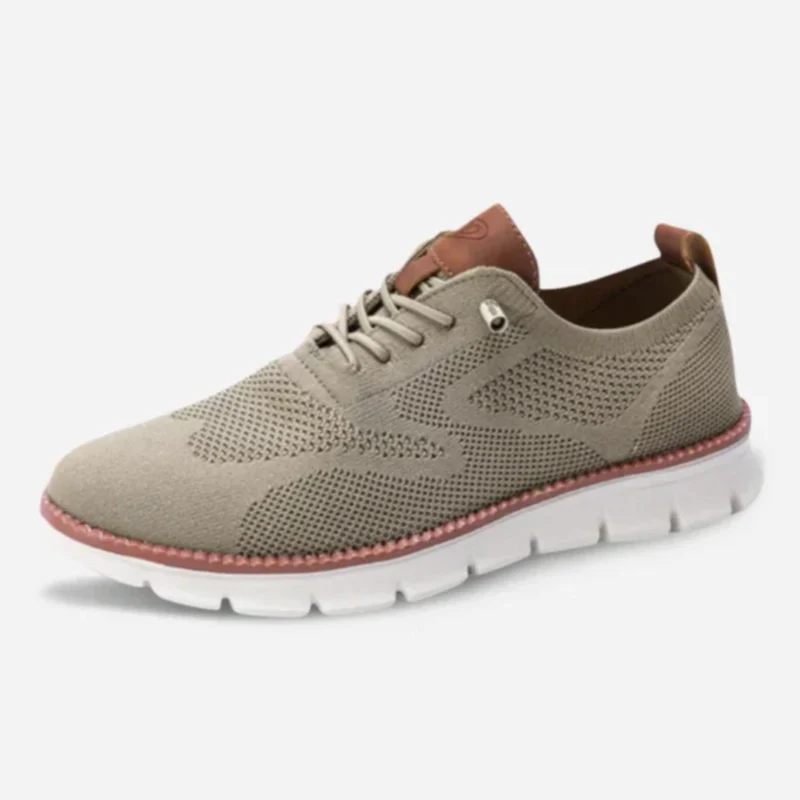
Every step you take matters—whether you’re exploring city streets, powering through your daily routine, or simply refusing to let foot discomfort slow you down. The CloudWalk – Ultra Comfortable Walking Shoes wraps your feet in therapeutic cushioning that turns pavement into clouds, so you can go farther, stay longer, and feel better doing it.
Modern comfort technology emerged in the 1970s. Nike introduced air cushioning in 1979. This changed how manufacturers approached shock absorption. The 1980s brought gel inserts and EVA foam. By the 2000s, memory foam and ergonomic design became standard features. Today’s standing shoes combine multiple technologies. They offer arch support, cushioning, and stability systems that previous generations never experienced.
Key Features That Define Standing Comfort
Cushioning Systems
Shock absorption protects your feet from impact. Each step generates force equal to 1.5 times your body weight. Quality cushioning disperses this pressure across the entire foot surface. Common materials include:
- EVA foam (ethylene-vinyl acetate) – lightweight and responsive
- PU foam (polyurethane) – denser and more durable than EVA
- Memory foam – molds to foot shape for custom fit
- Gel inserts – absorb high-impact shock in heel and forefoot
- Air pockets – compress and release with each step
Arch Support Technology
Your arch acts as a natural shock absorber. Poor support causes the arch to collapse. This leads to plantar fasciitis and heel pain. Orthotic-grade arch support maintains proper foot alignment. It reduces strain on muscles and ligaments.
Three arch types require different support levels:
- Low arches (flat feet) – need firm, structured support
- Normal arches – benefit from moderate cushioning
- High arches – require extra cushioning and flexibility
Heel Design
The heel cup should cradle your foot securely. A deep heel counter prevents side-to-side movement. This stability reduces ankle strain. Heel height matters significantly. Optimal heel-to-toe drop ranges from 4mm to 8mm. This promotes natural posture without forcing your weight forward.
Midsole Construction
The midsole sits between the outsole and insole. It provides primary cushioning and support. Dual-density midsoles offer firm support in the arch area and softer cushioning under the heel and forefoot. This combination prevents overpronation while maintaining comfort.
Outsole Traction
Standing requires constant micro-adjustments. Your outsole must grip various surfaces. Slip-resistant rubber prevents falls. Look for these tread patterns:
- Hexagonal patterns – multidirectional grip
- Lug treads – deep grooves for wet surfaces
- Flat patterns – maximum floor contact
Upper Materials
Breathable uppers prevent moisture buildup. Mesh panels allow air circulation. Leather provides durability and structure. Synthetic materials offer water resistance. Your feet swell during long standing periods. Flexible uppers accommodate this expansion without creating pressure points.
Shoe Categories for Standing Professions
Athletic Walking Shoes
These shoes excel at shock absorption. They feature thick midsoles and flexible forefoot areas. Brands engineer them for forward motion. The rocker sole design promotes natural foot roll. Weight typically ranges from 8 to 12 ounces per shoe.
Best for: Retail workers, tour guides, event staff
Professional Clogs
Clogs provide easy on-off access. The slip-on design saves time during busy shifts. Contoured footbeds offer immediate arch support. Many models include removable insoles. This allows custom orthotic insertion. Clogs typically weigh 10 to 14 ounces.
Best for: Healthcare workers, chefs, laboratory staff
Work Boots
Safety-rated boots protect feet from hazards. Steel or composite toe caps guard against falling objects. Electrical hazard protection prevents shock in industrial settings. Modern work boots incorporate athletic shoe technology. This includes EVA midsoles and moisture-wicking liners.
Best for: Construction workers, warehouse staff, maintenance personnel
Slip-Resistant Service Shoes
The restaurant and hospitality industries require specialized footwear. These shoes meet strict slip-resistance standards. Testing involves oil and water exposure. Coefficient of friction ratings above 0.5 indicate excellent traction. Many styles resemble casual dress shoes.
Best for: Restaurant servers, bartenders, hotel staff, flight attendants
Supportive Dress Shoes
Professional environments demand formal appearance. Modern dress shoes now include comfort features. Hidden cushioning systems maintain sleek profiles. Full-grain leather uppers provide structure and breathability. Rubber sole inserts offer traction without compromising style.
Best for: Bank tellers, office managers, sales professionals
Technical Specifications Comparison
| Feature | Athletic Shoes | Professional Clogs | Work Boots | Service Shoes |
|---|---|---|---|---|
| Cushioning Level | High | Medium-High | Medium | Medium |
| Arch Support | Moderate-High | High | Moderate | Moderate |
| Weight (per shoe) | 8-12 oz | 10-14 oz | 16-24 oz | 9-13 oz |
| Break-in Period | 1-3 days | Immediate | 1-2 weeks | 3-5 days |
| Average Lifespan | 6-9 months | 12-18 months | 18-24 months | 9-12 months |
| Slip Resistance | Low-Moderate | Moderate | High | Very High |
| Price Range | $60-$150 | $80-$160 | $100-$250 | $50-$120 |
Every step you take matters—whether you’re exploring city streets, powering through your daily routine, or simply refusing to let foot discomfort slow you down. The CloudWalk – Ultra Comfortable Walking Shoes wraps your feet in therapeutic cushioning that turns pavement into clouds, so you can go farther, stay longer, and feel better doing it.
How to Select the Right Shoe
Step 1: Measure Your Feet
Foot size changes with age and weight fluctuations. Measure both feet at the end of your workday. Your feet expand during standing periods. Use a Brannock device for accurate measurements. This tool captures length, width, and arch position.
Step 2: Identify Your Foot Type
Perform the wet test at home. Wet your foot and step on dark paper. Examine the footprint shape:
- Full footprint = flat foot (needs motion control)
- Half footprint = high arch (needs cushioning)
- Normal curve = neutral foot (needs stability)
Step 3: Consider Your Work Environment
Floor surfaces affect shoe selection. Hard concrete requires maximum cushioning. Smooth tiles need slip-resistant outsoles. Outdoor work demands weather-resistant materials. Temperature also matters. Hot kitchens need breathable uppers. Cold warehouses require insulated options.
Step 4: Test the Fit
Visit stores during afternoon hours. Your feet are largest then. Wear work socks during fitting. Walk around for 10 minutes minimum. Check these fit criteria:
- Thumb’s width between longest toe and shoe end
- No heel slippage when walking
- Snug midfoot without pinching
- Comfortable toe box width
- No pressure points anywhere
Step 5: Break Them In Gradually
New shoes need adjustment time. Wear them for 2-hour intervals initially. Increase duration by 1 hour daily. This prevents blisters and hot spots. Some discomfort is normal during the first week. Sharp pain indicates poor fit.
Materials That Enhance All-Day Comfort
EVA Foam Technology
EVA compresses under pressure and rebounds quickly. This responsive quality reduces fatigue. The material weighs 50% less than traditional rubber. Compression-molded EVA lasts longer than injection-molded versions. Density ratings range from 40 to 70 Shore A. Higher numbers indicate firmer support.
Memory Foam Innovation
Viscoelastic polyurethane responds to body heat. It softens and molds to your unique foot shape. This creates custom cushioning zones. Memory foam excels at pressure distribution. It reduces hot spots that cause discomfort. The material loses effectiveness after 400-600 hours of use.
Gel Cushioning Systems
Silicone gel absorbs 90% of impact shock. Heel gel pads protect against heel strike force. Forefoot gel reduces pressure on metatarsal bones. The material doesn’t compress permanently like foam. This maintains consistent cushioning throughout the shoe’s life. Gel adds 2-4 ounces to shoe weight.
Antimicrobial Treatments
Bacteria thrive in warm, moist environments. Silver ion technology prevents bacterial growth. This reduces odor and infection risk. Bamboo charcoal offers natural antimicrobial properties. These treatments remain effective through multiple washes. They extend insole lifespan by preventing deterioration.
Maintenance for Maximum Longevity
Daily Care
Remove insoles after each shift. Air them separately from shoes. This accelerates drying and prevents bacterial growth. Wipe exterior surfaces with damp cloth. Remove debris from treads with soft brush. Rotate between two pairs if possible. This allows 24-hour drying time.
Weekly Cleaning
Hand wash insoles with mild soap. Air dry completely before reinsertion. Never use direct heat sources. High temperatures damage cushioning materials. Clean mesh uppers with soft brush and soapy water. Leather uppers need conditioning treatment monthly.
Monthly Inspection
Check outsole wear patterns. Uneven wear indicates gait problems. Replace shoes when tread depth decreases by 50%. Examine midsole for compression. Press thumb into cushioning. It should rebound immediately. Inspect stitching for separations. Small tears worsen quickly under stress.
Replacement Timeline
Athletic shoes lose cushioning after 300-500 miles. For standing workers, this equals 6-9 months. Clogs maintain support longer due to firmer construction. Work boots last longest but require regular conditioning. Service shoes wear fastest due to thin soles. Track your purchase date and replace proactively.
Common Problems and Solutions
Heel Pain
Plantar fasciitis causes sharp heel pain. It results from inadequate arch support. Solutions include:
- Shoes with firm arch support
- Heel cups that cradle the foot
- Morning stretching exercises
- Custom orthotics for severe cases
Ball of Foot Pain
Metatarsalgia creates burning sensations under toe joints. Standing shoes must include forefoot cushioning. Rocker soles reduce pressure during weight transfer. Wider toe boxes prevent compression. Metatarsal pads redistribute pressure away from painful areas.
Ankle Instability
Weak ankle support causes wobbling and fatigue. High-top designs provide lateral stability. Firm heel counters prevent excessive movement. Lace-up closures offer adjustable support. Replace shoes when heel counters soften or collapse.
Numbness and Tingling
Tight shoes compress nerves and restrict blood flow. This causes peripheral neuropathy symptoms. Solutions include:
- Half-size larger shoes
- Wider width options
- Adjustable closure systems
- Seamless interior construction
Excessive Sweating
Poor ventilation traps moisture and heat. Moisture-wicking liners pull sweat away from skin. Mesh panels increase airflow. Antimicrobial treatments prevent odor. Change socks midway through long shifts.
Summary: Your Selection Strategy
Choose footwear based on specific work demands. Healthcare workers need easy-clean clogs with superior cushioning. Construction workers require protective boots with stability features. Service industry employees must prioritize slip resistance. Retail workers benefit from lightweight athletic designs.
Invest in quality footwear. Your feet support your entire body. Poor shoes create cascading problems. Knee pain, back pain, and hip problems often start with inadequate foot support. Professional-grade shoes cost more initially but provide better value. They last longer and prevent medical expenses.
Replace shoes before they fail completely. Worn cushioning doesn’t protect your body. Smooth treads cause safety hazards. Track your purchase date and mileage. Budget for replacements every 6-12 months depending on shoe type and usage intensity.
Your comfort directly affects job performance and overall health. The right shoes reduce fatigue and prevent injury. They allow you to focus on work instead of foot pain. Take time to find proper fit. Test multiple brands and styles. Your feet will thank you after every shift.
Every step you take matters—whether you’re exploring city streets, powering through your daily routine, or simply refusing to let foot discomfort slow you down. The CloudWalk – Ultra Comfortable Walking Shoes wraps your feet in therapeutic cushioning that turns pavement into clouds, so you can go farther, stay longer, and feel better doing it.