
Blog
What Are the Most Comfortable Dress Shoes?

Understanding Comfort in Dress Shoes
Dress shoes cause pain for millions of professionals each day. Your feet contain 26 bones, 33 joints, and over 100 muscles. Poor footwear support damages these structures over time.
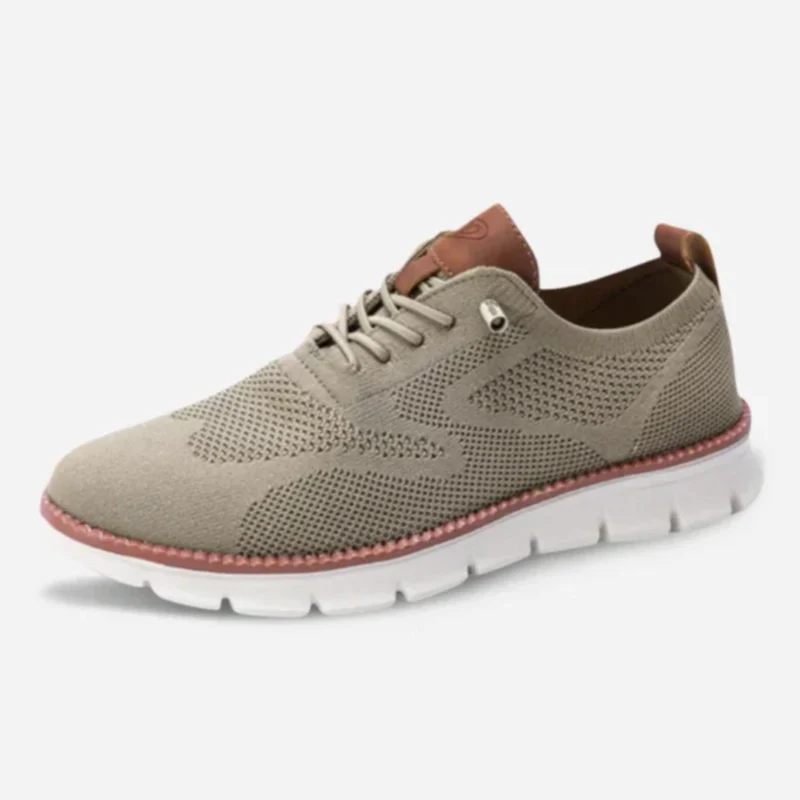
Every step you take matters—whether you’re exploring city streets, powering through your daily routine, or simply refusing to let foot discomfort slow you down. The CloudWalk – Ultra Comfortable Walking Shoes wraps your feet in therapeutic cushioning that turns pavement into clouds, so you can go farther, stay longer, and feel better doing it.
Comfortable dress shoes balance three elements: proper arch support, quality materials, and correct fit. Most dress shoes fail at all three. They prioritize appearance over function.
The history of dress shoes shows this problem clearly. In the 1800s, shoemakers built custom footwear for each client. They measured both feet separately. They accounted for arch height and toe width. This process created shoes that fit perfectly.
Mass production changed everything in the early 1900s. Factories made standard sizes. They ignored individual foot shapes. Style became more important than comfort. This shift created the uncomfortable dress shoes we know today.
Key Features of Comfortable Dress Shoes
Arch Support Systems
Your arch acts as a shock absorber. It distributes your body weight across your foot. Insufficient arch support causes plantar fasciitis, heel spurs, and knee pain.
Quality dress shoes include these arch support features:
- Contoured footbeds that match your arch shape
- Steel or composite shanks that prevent shoe collapse
- Dual-density midsoles that cushion high-pressure points
- Removable insoles for custom orthotic placement
Material Selection
Leather remains the best material for dress shoes. It breathes better than synthetic options. It molds to your foot shape over time. Full-grain leather offers the highest quality. It comes from the outer hide layer. This layer contains the strongest fibers.
Calfskin leather provides exceptional softness. It requires less break-in time. Patent leather looks glossy but traps moisture. Suede offers comfort but demands more maintenance.
Sole materials matter equally:
- Leather soles: Traditional, formal, require break-in
- Rubber soles: Flexible, slip-resistant, durable
- Crepe rubber: Soft, cushioned, casual appearance
- EVA foam: Lightweight, shock-absorbing, modern
Construction Methods
Goodyear welt construction creates the most durable and comfortable dress shoes. This method attaches the upper leather to the sole through a separate strip of leather called a welt. The process allows for resoling. It creates a cavity for cork filling. This cork molds to your foot over time.
Blake stitch construction offers more flexibility. It sews the upper directly to the sole. These shoes feel lighter. They require less break-in time. However, they cannot be resoled as easily.
Cement construction glues the sole to the upper. Most affordable dress shoes use this method. These shoes feel comfortable immediately. They wear out faster than welted options.
Top Comfortable Dress Shoe Styles
Oxford Shoes
Oxfords feature closed lacing. The eyelet tabs attach under the vamp. This design creates a sleek profile. Cap-toe oxfords add a horizontal stitch across the toe. They suit formal business settings.
Plain-toe oxfords offer versatility. They work for business and semi-formal events. Wingtip oxfords feature decorative perforations. They lean more casual.
Comfort features to seek in oxfords:
- Padded collars that prevent heel blisters
- Wide toe boxes that accommodate natural toe spread
- Low heels (under 1 inch) that maintain proper posture
- Soft leather linings that prevent friction
Derby Shoes
Derbies use open lacing. The eyelet tabs sit on top of the vamp. This construction allows more adjustment room. People with high insteps prefer derbies.
The open lacing system reduces pressure on the top of your foot. You can loosen derbies throughout the day. This flexibility helps with foot swelling.
Loafers
Loafers eliminate laces entirely. Penny loafers feature a leather strap across the vamp. Tassel loafers add decorative leather tassels. Bit loafers include a metal ornament.
Driving loafers maximize comfort. They include rubber nubs on the sole and heel. The heel wraps around your foot. These features create flexibility and grip.
Loafers suit business casual environments. They work well for people who remove shoes frequently. The lack of laces speeds up security checks at airports.
Monk Strap Shoes
Monk straps use buckles instead of laces. Single monk straps have one buckle. Double monk straps feature two. This system provides easy adjustment.
The buckle system distributes pressure differently than laces. It reduces compression across the top of your foot. Monk straps bridge formal and casual styles.
Sizing and Fit Guidelines
Measurement Basics
Measure both feet at the end of the day. Your feet swell by up to 8% throughout the day. Stand during measurement. Your arch flattens under body weight.
Record these measurements:
- Length: Distance from heel to longest toe
- Width: Circumference at the ball of your foot
- Arch height: Space between floor and arch
- Instep height: Top of foot measurement
Shoe sizes vary between brands and countries. A US size 10 does not equal a UK size 10. European sizes use centimeters. Always check brand-specific size charts.
The Fit Test
Your dress shoes fit correctly when:
- You have a thumb’s width of space beyond your longest toe
- The widest part of your foot aligns with the widest part of the shoe
- Your heel does not slip when walking
- You feel no pressure points after 10 minutes of wear
- You can wiggle all toes freely
Walk on hard surfaces during fitting. Carpet hides fit problems. Climb stairs if possible. Your heel should stay secure.
Width Options
Standard width codes include:
| Width Code | Description | Foot Characteristics |
|---|---|---|
| B | Narrow | Thin feet, low volume |
| D | Medium | Average male width |
| E | Wide | Broader forefoot |
| EE (2E) | Extra Wide | Very broad forefoot |
| EEE (3E) | Triple Wide | Maximum width |
Women typically need B width. Men usually need D width. Ignoring width causes blisters and bunions.
Every step you take matters—whether you’re exploring city streets, powering through your daily routine, or simply refusing to let foot discomfort slow you down. The CloudWalk – Ultra Comfortable Walking Shoes wraps your feet in therapeutic cushioning that turns pavement into clouds, so you can go farther, stay longer, and feel better doing it.
Break-In Process
New leather dress shoes require break-in time. The leather must soften. The insole must form to your foot. This process takes 2-4 weeks.
Proper break-in steps:
- Wear new shoes for 30 minutes indoors
- Increase wear time by 30 minutes daily
- Apply leather conditioner after each wear
- Use shoe trees to maintain shape
- Alternate with other shoes to allow leather recovery
Speed up break-in with these methods:
- Wear thick socks during initial wears
- Apply leather stretching spray to tight areas
- Use a shoe stretcher for problem spots
- Walk in shoes before work hours
Maintenance for Lasting Comfort
Daily Care
Remove dirt and dust after each wear. Use a horsehair brush. Brush in the same direction as the leather grain. Insert cedar shoe trees immediately. They absorb moisture and maintain shape.
Let shoes rest for 24 hours between wears. Leather needs time to dry. Sweat weakens leather fibers. Rotation extends shoe life by years.
Deep Cleaning
Clean dress shoes monthly:
- Remove laces and insoles
- Brush away loose dirt
- Apply leather cleaner with a damp cloth
- Work in small circles
- Wipe away residue with a clean cloth
- Allow complete drying (6-8 hours)
- Apply leather conditioner
- Buff with a soft cloth
Sole Protection
Rubber sole guards protect leather soles. Cobblers apply thin rubber sheets to the sole bottom. This modification extends sole life by 3-5 years. It adds slip resistance. It maintains the dress shoe appearance.
Replace heel taps when you hear clicking. Worn heel taps damage the heel block. This repair costs $15-30. It prevents $100+ heel replacement.
Special Considerations
Plantar Fasciitis Solutions
Plantar fasciitis causes heel and arch pain. It affects 10% of adults. Comfortable dress shoes for this condition need:
- Deep heel cups that stabilize the heel bone
- Firm arch support that prevents arch collapse
- Cushioned heels that reduce impact
- Rigid shanks that limit sole flexing
Wide Feet Accommodations
Wide feet need extra room in the toe box and midfoot. Standard shoes compress wide feet. This compression causes bunions and hammertoes.
Look for shoes marked EE or wider. Some brands specialize in wide widths. They design lasts specifically for broad feet.
High Arches
High arches reduce your foot’s natural shock absorption. Your weight concentrates on the heel and ball. You need extra cushioning in these areas.
Choose shoes with:
- Cushioned insoles that fill the arch gap
- Flexible uppers that accommodate arch height
- Rounded heels that promote natural gait
- Lightweight construction that reduces impact
Price vs. Value Analysis
Entry-level comfortable dress shoes cost $150-250. Mid-range options run $250-450. Premium shoes exceed $450.
Higher prices often indicate:
- Better leather quality
- Superior construction methods
- Enhanced comfort features
- Longer lifespan
- Resoling capability
A $400 pair of Goodyear-welted shoes lasts 8-10 years with proper care. You can resole them 2-3 times. The cost per wear drops below $0.50.
A $100 pair of cemented shoes lasts 1-2 years. You cannot resole them. The cost per wear exceeds $1.00.
Selection Summary
Choose comfortable dress shoes by following these steps:
- Measure both feet professionally
- Identify your primary use case (office, events, travel)
- Determine your budget range
- Select appropriate style for formality level
- Verify construction method matches durability needs
- Test fit using the guidelines above
- Check return policy before purchase
- Plan proper break-in period
- Commit to regular maintenance
Your feet support your entire body. Comfortable dress shoes protect your long-term health. They reduce back pain, knee problems, and foot disorders. The investment pays returns through better posture, increased productivity, and improved confidence.
Start with one high-quality pair. Learn how proper dress shoes should feel. Expand your collection as budget allows. Your feet will thank you for decades.
Every step you take matters—whether you’re exploring city streets, powering through your daily routine, or simply refusing to let foot discomfort slow you down. The CloudWalk – Ultra Comfortable Walking Shoes wraps your feet in therapeutic cushioning that turns pavement into clouds, so you can go farther, stay longer, and feel better doing it.