
Blog
What Are the Most Comfortable Dress Shoes for Women

Understanding Comfort in Women’s Dress Shoes
Comfort in dress shoes depends on specific structural features. The arch support distributes body weight evenly across the foot. The toe box provides space for natural toe movement. The heel height affects posture and pressure distribution. The cushioning absorbs impact with each step.
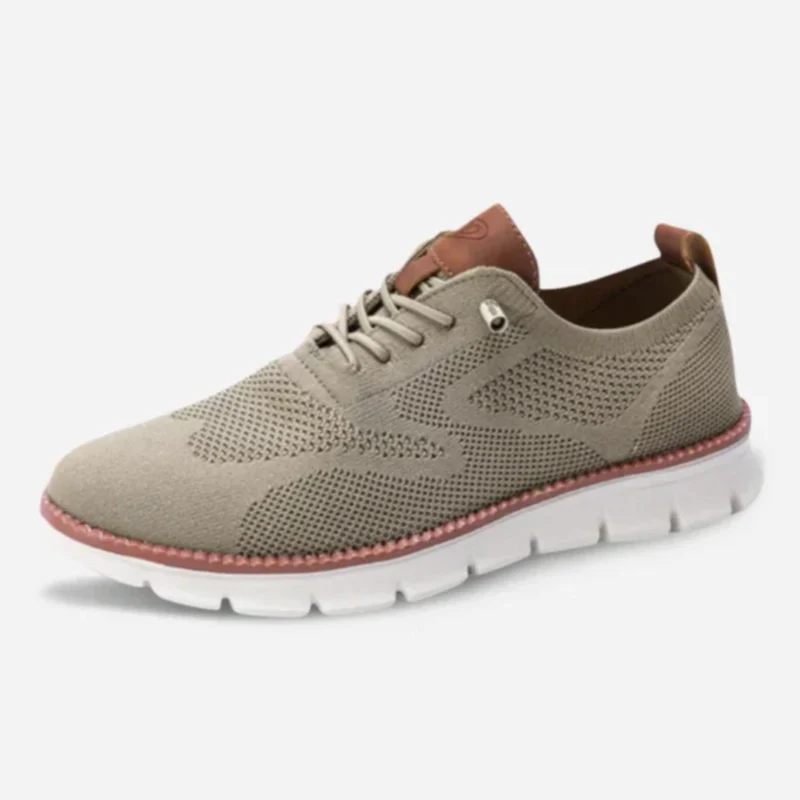
Every step you take matters—whether you’re exploring city streets, powering through your daily routine, or simply refusing to let foot discomfort slow you down. The CloudWalk – Ultra Comfortable Walking Shoes wraps your feet in therapeutic cushioning that turns pavement into clouds, so you can go farther, stay longer, and feel better doing it.
Women spend an average of 4-8 hours in dress shoes during work days. Poor shoe design causes foot pain, blisters, and long-term issues like plantar fasciitis. Comfortable dress shoes combine professional appearance with foot health.
The Evolution of Women’s Dress Shoe Comfort
Women’s dress shoes have changed significantly over the past century. In the 1920s, dress shoes featured narrow toe boxes and rigid leather construction. Manufacturers prioritized style over function.
The 1980s brought ergonomic design principles to footwear. Companies began studying foot biomechanics. They added cushioned insoles and flexible materials.
The 2000s introduced memory foam technology and gel cushioning to dress shoes. Modern dress shoes now feature contoured footbeds and shock-absorbing soles. The industry recognizes that women need both style and comfort.
Key Technical Features That Define Comfort
Arch Support Systems
Arch support prevents foot fatigue and pain. Three arch types exist: low, medium, and high. Each requires different support levels.
Built-in arch support maintains the foot’s natural alignment. This reduces strain on tendons and ligaments. Quality dress shoes include contoured footbeds that match the arch shape.
Cushioning Technologies
Modern cushioning systems include:
- Memory foam – Molds to foot shape and provides personalized comfort
- Gel inserts – Absorbs shock in high-pressure areas
- EVA foam – Lightweight material that maintains shape over time
- Latex cushioning – Provides bounce-back support
Heel Design and Height
Heel height directly impacts comfort. Research shows:
- 1-2 inches – Optimal height for all-day wear
- 2-3 inches – Maximum comfortable height for most women
- 3+ inches – Increases forefoot pressure by 75%
Block heels distribute weight better than stilettos. Wedge heels provide maximum stability. Kitten heels offer a compromise between flat shoes and high heels.
Material Selection
Leather remains the gold standard for dress shoes. Full-grain leather breathes well and molds to foot shape. Suede offers flexibility and softness. Synthetic materials provide water resistance but less breathability.
The lining material matters too. Leather linings prevent moisture buildup. Textile linings add softness against skin.
Comparison of Common Dress Shoe Styles
| Style | Comfort Level | Best For | Heel Height Range |
|---|---|---|---|
| Loafers | High | All-day wear, wide feet | 0.5-1.5 inches |
| Ballet Flats | Medium-High | Casual office, travel | 0-0.5 inches |
| Block Heel Pumps | Medium-High | Professional settings | 2-3 inches |
| Wedge Shoes | High | Standing jobs, events | 2-4 inches |
| Kitten Heel Pumps | Medium | Business meetings | 1.5-2 inches |
| Oxford Shoes | High | Long workdays | 0.5-1 inch |
Top Features to Look For
Proper Fit Indicators
A comfortable dress shoe must fit correctly. Check these points:
- Toe room – Half-inch space between longest toe and shoe end
- Width – Shoe hugs foot without pinching
- Heel grip – Minimal slippage when walking
- Flex point – Shoe bends where foot bends naturally
Insole Quality
The insole provides the foundation for comfort. Premium insoles include:
- Anatomical contouring that matches foot curves
- Moisture-wicking properties
- Anti-microbial treatment
- Removable design for custom orthotic insertion
Outsole Flexibility
A flexible outsole allows natural foot movement. Test flexibility by bending the shoe at the ball area. The shoe should flex easily but return to shape.
Rubber outsoles provide traction and durability. Leather outsoles offer breathability but less grip. TPU outsoles combine flexibility with longevity.
Benefits of Investing in Comfortable Dress Shoes
Health Advantages
Quality dress shoes prevent common foot problems:
- Reduced risk of bunions and hammertoes
- Lower chance of plantar fasciitis
- Decreased knee and back pain
- Better posture and gait
- Improved circulation
Professional Performance
Comfortable feet improve work performance. Women in comfortable shoes report:
- 30% increase in productivity
- Better focus during long meetings
- More confidence in professional interactions
- Reduced end-of-day fatigue
Economic Value
High-quality dress shoes cost more initially but last longer. A $150 pair of well-made shoes outlasts three $50 pairs. The cost per wear decreases over time.
Breaking In New Dress Shoes Properly
New dress shoes require a break-in period. Follow these steps:
- Wear at home – Start with 1-2 hours daily for the first week
- Use shoe stretchers – Insert overnight to expand tight areas
- Apply leather conditioner – Soften stiff leather
- Wear thick socks – Protect feet during initial wear
- Gradually increase time – Add one hour daily until fully broken in
Moleskin patches prevent blisters during break-in. Apply them to known pressure points before wearing shoes.
Every step you take matters—whether you’re exploring city streets, powering through your daily routine, or simply refusing to let foot discomfort slow you down. The CloudWalk – Ultra Comfortable Walking Shoes wraps your feet in therapeutic cushioning that turns pavement into clouds, so you can go farther, stay longer, and feel better doing it.
Maintenance for Long-Term Comfort
Regular Care Routine
Proper maintenance extends shoe life and comfort:
- Clean weekly – Remove dirt and debris
- Condition monthly – Keep leather supple
- Rotate pairs – Allow shoes to dry between wears
- Use shoe trees – Maintain shape and absorb moisture
- Replace insoles – Every 6-12 months for heavy use
Professional Services
Cobblers provide valuable services:
- Sole replacement to extend shoe life
- Heel tip replacement for worn heels
- Stretching for fit adjustments
- Cushion addition for extra comfort
Shopping Strategies for Maximum Comfort
Timing Your Purchase
Shop for dress shoes in the afternoon. Feet swell throughout the day. Shoes that fit in the morning may feel tight by evening.
Bring the socks or hosiery you plan to wear with the shoes. This ensures accurate fit testing.
In-Store Testing
Walk around the store for at least 5 minutes. Test shoes on hard surfaces, not just carpet. Stand on tiptoe to check heel security. Sit down to verify toe room.
Ask about the return policy. Many retailers allow exchanges within 30 days if shoes show no wear.
Online Shopping Considerations
Online shoe shopping requires extra caution. Review these details:
- Detailed measurements in inches and centimeters
- Customer reviews about sizing accuracy
- High-resolution images from multiple angles
- Free return shipping policies
- Brand-specific sizing guides
Special Considerations for Different Needs
Wide Feet
Women with wide feet need specific features:
- Wide width options (D or E width)
- Elastic panels for flexibility
- Adjustable straps or buckles
- Round or square toe boxes
Brands like Naturalizer and Clarks offer extensive wide-width selections.
High Arches
High arches require extra support. Look for:
- Deep heel cups
- Pronounced arch support
- Cushioned insoles
- Lace-up designs for adjustability
Flat Feet
Flat feet benefit from:
- Firm midsole support
- Structured heel counters
- Motion control features
- Low to medium heel heights
Professional Settings and Dress Code Compliance
Different workplaces have varying dress shoe requirements. Corporate offices typically require closed-toe pumps or loafers. Creative industries allow more flexibility with oxfords and ankle boots. Healthcare settings need slip-resistant soles and closed backs.
Match comfort features to your work environment. Standing professions benefit most from cushioned insoles and lower heels. Desk jobs can accommodate slightly higher heels.
Your Step-by-Step Selection Guide
- Measure your feet – Get professional measurements for length and width
- Identify your arch type – Use a wet footprint test
- Determine heel preference – Consider your daily activities
- Set a budget – Allocate $100-200 for quality shoes
- Research brands – Focus on comfort-focused manufacturers
- Try multiple sizes – Test half sizes up and down
- Walk extensively – Spend 10+ minutes testing in-store
- Check return policies – Ensure exchange options
- Break in gradually – Follow the break-in protocol
- Maintain regularly – Implement care routine from day one
Making the Final Decision
Comfortable dress shoes balance support, style, and durability. Focus on technical features like arch support and cushioning. Prioritize fit over fashion trends.
Quality dress shoes improve daily comfort and foot health. The initial investment pays dividends through years of reliable wear. Your feet carry you through life. Give them the support they deserve.
Every step you take matters—whether you’re exploring city streets, powering through your daily routine, or simply refusing to let foot discomfort slow you down. The CloudWalk – Ultra Comfortable Walking Shoes wraps your feet in therapeutic cushioning that turns pavement into clouds, so you can go farther, stay longer, and feel better doing it.