
Blog
What Are the Most Comfortable High Heel Shoes?

Understanding Comfort in High Heels
High heels present a fundamental challenge. They shift your body weight forward and alter your natural gait. Comfortable high heels minimize these negative effects through specific design features.
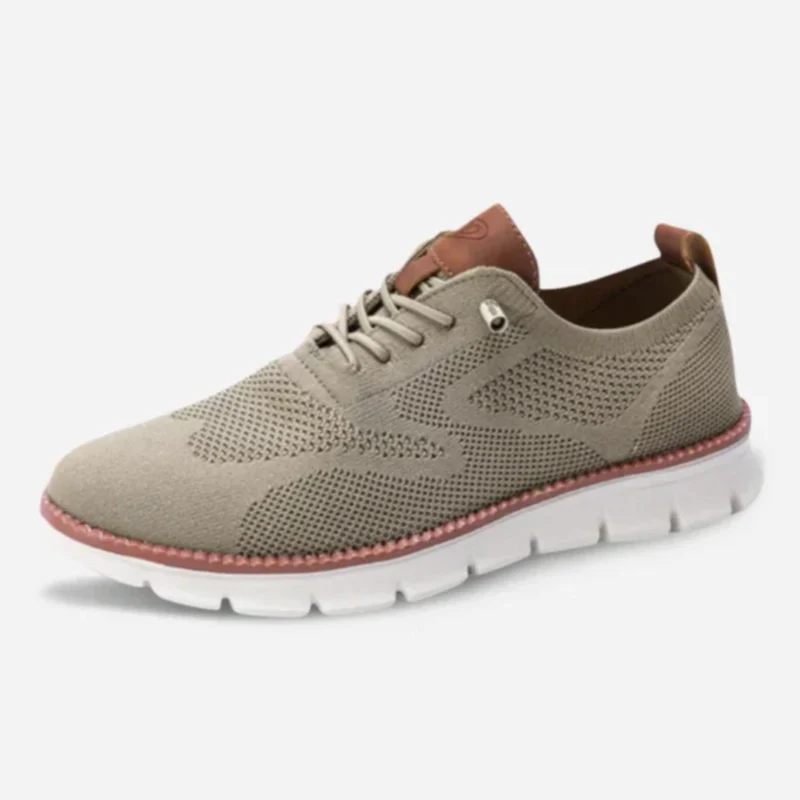
Every step you take matters—whether you’re exploring city streets, powering through your daily routine, or simply refusing to let foot discomfort slow you down. The CloudWalk – Ultra Comfortable Walking Shoes wraps your feet in therapeutic cushioning that turns pavement into clouds, so you can go farther, stay longer, and feel better doing it.
The most comfortable high heel shoes share three core attributes: proper arch support, cushioned insoles, and stable heel construction. These elements work together to reduce foot fatigue and prevent common issues like metatarsalgia and plantar fasciitis.
Heel height matters significantly. Research shows that heels between 2-3 inches cause less strain on your forefoot than taller options. Anything above 3.5 inches increases pressure on the ball of your foot by up to 76%.
The Evolution of Comfortable High Heels
High heels originated in 10th century Persia. Persian cavalry wore heels to secure their feet in stirrups. The style migrated to Europe in the 1600s as a status symbol for aristocrats.
Early heels offered zero comfort features. They used rigid leather with no padding or arch support. Women often suffered foot deformities from prolonged wear.
The 1950s brought the first ergonomic innovations. Shoe manufacturers began adding foam padding and experimenting with heel placement. However, these improvements remained minimal.
The real revolution started in the 1990s. Athletic shoe technology crossed over into dress footwear. Brands incorporated gel inserts, memory foam, and biomechanical research into heel design.
Today’s comfortable heels use advanced materials like EVA foam, latex cushioning, and carbon fiber shanks. These materials provide support without adding weight.
Key Features That Define Comfortable High Heels
Cushioning Technology
The best comfortable heels contain multiple cushioning layers. The insole should have memory foam or gel padding specifically under the ball of your foot. This area absorbs the most impact.
Premium brands use latex foam footbeds. Latex provides superior energy return and maintains its shape longer than standard foam.
Arch Support
Your arch supports your entire body weight. Comfortable heels include a contoured footbed that matches your arch curve. This design prevents your foot from sliding forward.
Look for heels with a rigid shank. This component runs from heel to toe beneath the insole. It prevents the shoe from collapsing and maintains arch integrity.
Heel Design and Placement
Block heels distribute weight more evenly than stilettos. They provide a wider base of support and improve stability. A 2.5-inch block heel often feels more comfortable than a 2-inch stiletto.
Heel pitch refers to the angle between heel and toe. Comfortable heels maintain a gradual slope. Shoes with excessive pitch force your foot forward into the toe box.
Toe Box Construction
The toe box must provide adequate space. Your toes should lie flat without curling or overlapping. A rounded or almond toe shape offers more room than pointed styles.
Premium comfortable heels use soft leather linings in the toe box. This material flexes with your foot and prevents blisters.
Material Quality
Full-grain leather remains the gold standard for comfortable heels. It breathes well and molds to your foot shape over time. Synthetic materials often create hot spots and restrict movement.
The sole material impacts comfort significantly. Rubber outsoles provide better shock absorption than leather. They also offer superior traction on smooth surfaces.
Top Categories of Comfortable High Heels
Wedge Heels
Wedge heels provide maximum stability. The solid construction from heel to toe distributes your weight across the entire foot. This design eliminates pressure points common in traditional heels.
Benefits:
- Even weight distribution
- Superior ankle stability
- Easier to walk in than separate heels
- Works well for extended wear
Drawbacks:
- Less formal appearance
- Heavier than traditional heels
- Limited style variety
Block Heels
Block heels combine comfort with versatility. The chunky heel design provides stability while maintaining a dressier appearance than wedges.
Standard block heel widths range from 1-2 inches. Wider blocks offer more support but look less elegant.
Kitten Heels
Kitten heels measure 1.5-2 inches in height. This modest elevation reduces foot strain significantly compared to taller options. The slim heel provides a feminine silhouette without compromising stability.
These heels suit professionals who need dress shoes for long workdays. The low height prevents calf strain and forefoot pressure.
Platform Heels
Platform heels feature an elevated sole under the toe box. This design reduces the effective heel height. A shoe with a 4-inch heel and 1-inch platform only creates a 3-inch pitch.
The hidden height reduction makes tall heels more wearable. Your foot maintains a less extreme angle while achieving dramatic height.
Slingback Heels
Slingback heels use an ankle strap instead of a closed back. This design allows your foot to flex naturally while walking. The strap prevents your heel from slipping without restricting movement.
Look for slingbacks with padded straps. Unpadded elastic cuts into your Achilles tendon during extended wear.
Technical Specifications to Evaluate
Heel Height Recommendations
| Heel Height | Comfort Duration | Best Use Case |
|---|---|---|
| 1-2 inches | All day | Office work, casual events |
| 2-3 inches | 4-6 hours | Business meetings, dinner |
| 3-4 inches | 2-4 hours | Special occasions, parties |
| 4+ inches | 1-2 hours | Photos, brief appearances |
Heel-to-Toe Drop
The drop measures the height difference between heel and toe. A 10mm drop (approximately 0.4 inches) provides good comfort for most wearers. Larger drops increase forefoot pressure.
Footbed Contouring
Quality comfortable heels feature anatomical footbeds. These include:
- Raised arch support matching your foot curve
- Metatarsal pad under the ball of foot
- Deep heel cup for stability
- Elevated toe bar to prevent sliding
Weight Distribution
Comfortable heels should weigh less than 12 ounces per shoe for sizes 7-9. Excess weight causes leg fatigue. Premium materials like carbon fiber reduce weight while maintaining strength.
Every step you take matters—whether you’re exploring city streets, powering through your daily routine, or simply refusing to let foot discomfort slow you down. The CloudWalk – Ultra Comfortable Walking Shoes wraps your feet in therapeutic cushioning that turns pavement into clouds, so you can go farther, stay longer, and feel better doing it.
Brand Recommendations for Maximum Comfort
Several brands specialize in comfortable high heel construction.
Naturalizer uses N5 Comfort Technology. This system includes contoured insoles, lightweight materials, and flexible soles. Their heels suit budget-conscious buyers seeking reliable comfort.
Clarks incorporates Cushion Soft technology. Their heels feature foam layers that compress and rebound with each step. The brand offers excellent arch support across all styles.
Cole Haan partners with athletic shoe technology. Their Grand.OS system uses cushioning borrowed from sneaker design. The heels look professional while feeling athletic.
Vionic takes an orthotic approach. A podiatrist founded the brand. Every heel includes built-in orthotic support approved by the American Podiatric Medical Association.
Aerosoles focuses on core comfort features at accessible prices. Their Diamond Flex outsoles bend easily while walking. The brand offers wide width options for better fit.
Maintenance for Long-Term Comfort
Proper care extends the comfort lifespan of your heels.
Rotation Strategy
Never wear the same heels two days consecutively. Shoes need 24 hours to dry and decompress. Rotating between pairs prevents premature breakdown of cushioning materials.
Insole Replacement
Replace removable insoles every 6-12 months. Cushioning materials compress permanently over time. Fresh insoles restore original comfort levels.
Heel Cap Maintenance
Replace worn heel taps immediately. Damaged heel caps alter your gait and cause the shoe to sit at incorrect angles. This change reduces comfort significantly.
Leather Conditioning
Condition leather heels monthly. Dry leather cracks and loses flexibility. Supple leather moves with your foot instead of creating rigid pressure points.
Storage Methods
Store heels with shoe trees inserted. Trees maintain proper shape and prevent the toe box from collapsing. Collapsed shoes increase pressure on your toes.
How to Select Your Ideal Comfortable Heels
Step 1: Measure Your Feet
Measure both feet at the end of the day. Feet swell during daily activity. Size your shoes for your larger foot. Most people have a size difference between feet.
Step 2: Assess Your Arch Type
Determine if you have low, medium, or high arches. Wet your foot and step on paper. The footprint reveals your arch type. Match heels to your specific arch needs.
Step 3: Test the Fit
Walk at least 20 steps in the store. Your heel should stay secure without slipping. Toes should have wiggle room. The ball of your foot should rest on the widest part of the sole.
Step 4: Check Flexibility
Bend the shoe with your hands. It should flex at the ball, not the arch. Shoes that bend in the middle provide no support.
Step 5: Evaluate the Break-In Period
Quality comfortable heels feel good immediately. You should experience minimal discomfort during the first wear. A lengthy break-in period indicates poor fit or construction.
Common Comfort Problems and Solutions
Problem: Ball of foot pain Solution: Add metatarsal pads or choose heels with built-in forefoot cushioning
Problem: Heel slippage Solution: Use heel grips or select styles with ankle straps
Problem: Toe cramping Solution: Size up or choose wider toe box shapes
Problem: Arch fatigue Solution: Insert orthotic insoles with proper arch support
Problem: Ankle instability Solution: Select block heels or wedges instead of stilettos
Professional vs. Casual Comfortable Heels
Professional settings require closed-toe styles with conservative heights. Choose 2-3 inch heels in neutral colors. Block heels and kitten heels work best for extended office wear.
Casual comfortable heels allow more variety. Wedges, platforms, and decorative elements suit social occasions. You can prioritize style slightly more than in professional contexts.
Investment Value in Comfortable Heels
Quality comfortable heels cost $100-$300 per pair. This price reflects superior materials and construction methods. Budget heels under $60 rarely provide adequate comfort features.
Calculate cost per wear. A $200 pair worn 50 times costs $4 per wear. A $50 pair that hurts your feet after three wears costs $16.67 per wear.
Quality heels last 2-5 years with proper care. Budget options typically last one season before cushioning fails or materials deteriorate.
Making Your Final Decision
The most comfortable high heel shoes balance support, cushioning, and proper fit. Prioritize block heels or wedges for maximum stability. Choose heel heights between 2-3 inches for extended wear.
Invest in brands that incorporate biomechanical research into their designs. Test shoes thoroughly before purchase. Walk on hard surfaces and verify that your heel stays secure.
Replace your heels when cushioning compresses or materials show wear. Damaged shoes harm your feet regardless of their original comfort level.
Your feet carry you through life. Comfortable heels should support your activities without causing pain or long-term damage. Select wisely based on technical features rather than appearance alone.
Every step you take matters—whether you’re exploring city streets, powering through your daily routine, or simply refusing to let foot discomfort slow you down. The CloudWalk – Ultra Comfortable Walking Shoes wraps your feet in therapeutic cushioning that turns pavement into clouds, so you can go farther, stay longer, and feel better doing it.