
Blog
What Are the Most Comfortable Shoes for Nurses?

Why Comfort Matters for Nursing Footwear
Nurses walk between 4 to 5 miles during a typical 12-hour shift. This constant movement places extreme stress on feet, ankles, knees, and lower backs. Poor footwear choices lead to plantar fasciitis, varicose veins, and chronic joint pain.
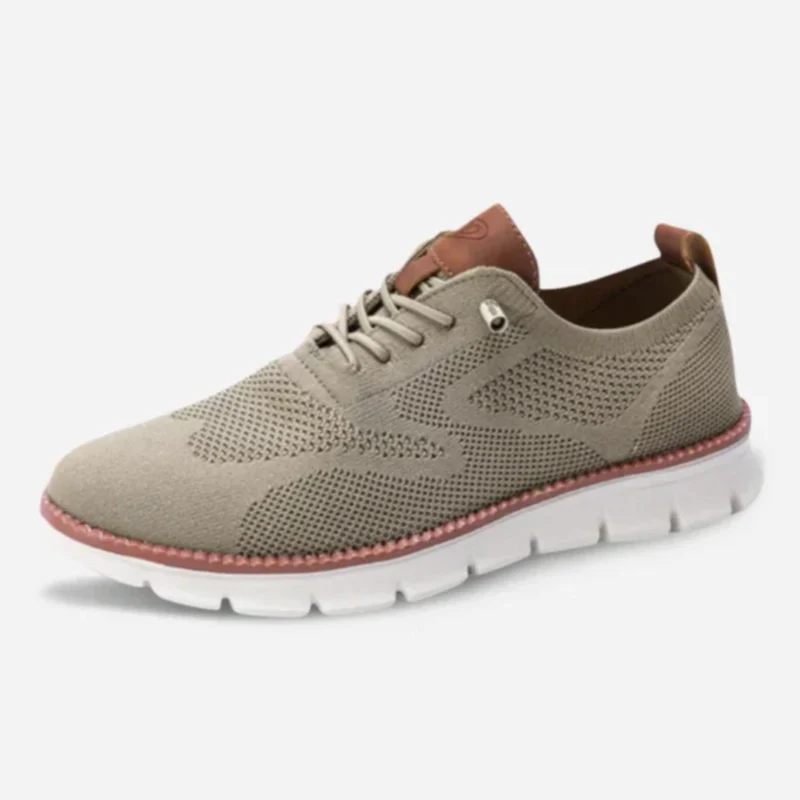
Every step you take matters—whether you’re exploring city streets, powering through your daily routine, or simply refusing to let foot discomfort slow you down. The CloudWalk – Ultra Comfortable Walking Shoes wraps your feet in therapeutic cushioning that turns pavement into clouds, so you can go farther, stay longer, and feel better doing it.
Comfortable nursing shoes reduce fatigue and prevent long-term musculoskeletal damage. Studies show that proper footwear decreases workplace injuries by up to 30%. Nurses who invest in quality shoes report better focus and fewer sick days.
The right shoes provide three critical functions:
- Support proper arch alignment
- Absorb repetitive impact shock
- Maintain stability on slippery hospital floors
Evolution of Nursing Footwear Standards
Historical Context
Hospital workers wore leather oxfords and white leather clogs from the 1950s through the 1980s. These traditional shoes offered minimal cushioning and caused widespread foot problems. The American Nurses Association documented epidemic levels of lower limb pain during this period.
The 1990s brought athletic shoe technology into healthcare settings. Brands began incorporating EVA foam midsoles and gel cushioning systems into medical-approved designs. Hospitals gradually relaxed strict dress codes to prioritize worker health.
Modern nursing shoes now feature advanced materials borrowed from running and hiking footwear. Innovation accelerated after 2010 as manufacturers recognized healthcare workers as a premium market segment.
Current Industry Standards
The Occupational Safety and Health Administration (OSHA) requires healthcare facilities to provide slip-resistant footwear in certain departments. Most hospitals mandate closed-toe designs and easy-to-clean surfaces. Many facilities ban mesh uppers in surgical areas due to infection control protocols.
Essential Features of Comfortable Nursing Shoes
Cushioning Technology
Memory foam insoles mold to individual foot shapes and distribute pressure evenly. This material reduces peak pressure points by 25-40% compared to standard insoles.
Polyurethane midsoles provide superior shock absorption without compressing over time. They maintain cushioning properties for 500-700 miles of walking. EVA foam costs less but loses effectiveness after 300-400 miles.
Air-cushioned heels use sealed chambers to absorb impact energy. This technology works best for heel strikers who land hard on each step.
Arch Support Systems
Nurses with flat feet require motion control features and firm medial posts. These elements prevent overpronation and reduce knee stress.
High arches need cushioned arch supports that flex with foot movement. Rigid supports cause pressure points and numbness in high-arched feet.
Neutral arches benefit from moderate arch supports that balance cushioning with stability. Most nurses fall into this category.
Slip Resistance
Hospital floors contain water, blood, cleaning solutions, and other hazardous liquids. Slip-resistant outsoles use soft rubber compounds with deep tread patterns. Look for shoes rated SR (slip-resistant) or better.
The coefficient of friction measures slip resistance. Nursing shoes should score 0.5 or higher on both wet and dry surfaces. Independent testing from ASTM F2913 provides reliable ratings.
Weight and Flexibility
Lightweight shoes reduce energy expenditure during long shifts. Optimal nursing shoes weigh 10-14 ounces per shoe. Heavier designs cause leg fatigue by the shift’s midpoint.
Flexible forefoot sections allow natural toe-off motion. Test flexibility by bending the shoe at the ball area. It should flex easily but provide resistance to twisting motions.
Breathability and Hygiene
Feet produce up to 250 milliliters of sweat during a 12-hour shift. Moisture-wicking linings pull sweat away from skin and reduce bacterial growth.
Antimicrobial treatments prevent odor-causing bacteria from colonizing shoe interiors. These treatments typically last 40-60 washes.
Removable insoles allow thorough cleaning and replacement. This feature extends shoe life and maintains hygiene standards.
Top Comfortable Shoe Types for Nurses
Athletic-Style Sneakers
These shoes dominate nursing footwear choices. They offer maximum cushioning and come in wide width options. Leading models include thick midsoles, padded collars, and breathable mesh panels.
Advantages:
- Superior shock absorption
- Lightweight construction
- Wide variety of sizes and widths
- Affordable price points ($70-130)
Disadvantages:
- Mesh uppers stain easily
- Less professional appearance
- May not meet surgical unit requirements
Clogs
Traditional clogs evolved into modern designs with contoured footbeds and enclosed backs. Professional clogs feature rocker bottom soles that propel forward motion and reduce calf strain.
Advantages:
- Easy on-and-off functionality
- Excellent arch support
- Spill-resistant leather or synthetic uppers
- Professional appearance
Disadvantages:
- Heavier than athletic shoes (14-18 ounces)
- Limited breathability
- Higher price point ($100-150)
- Require break-in period
Slip-On Sneakers
These combine athletic shoe comfort with clog convenience. Elastic goring or stretchy uppers eliminate laces while maintaining secure fit.
Advantages:
- Quick to put on
- No lace-related trip hazards
- Good cushioning systems
- Moderate pricing ($80-120)
Disadvantages:
- Less adjustable fit than laced shoes
- May feel loose after extended wear
- Fewer orthopedic options
Every step you take matters—whether you’re exploring city streets, powering through your daily routine, or simply refusing to let foot discomfort slow you down. The CloudWalk – Ultra Comfortable Walking Shoes wraps your feet in therapeutic cushioning that turns pavement into clouds, so you can go farther, stay longer, and feel better doing it.
Comparison of Leading Nursing Shoe Features
| Feature | Athletic Sneakers | Professional Clogs | Slip-On Styles |
|---|---|---|---|
| Cushioning Level | Excellent | Very Good | Good |
| Arch Support | Moderate to High | High | Moderate |
| Slip Resistance | Very Good | Excellent | Good |
| Weight (per shoe) | 10-13 oz | 14-18 oz | 11-15 oz |
| Breathability | Excellent | Fair | Good |
| Durability | 6-9 months | 12-18 months | 8-12 months |
| Price Range | $70-130 | $100-150 | $80-120 |
How to Select Your Perfect Nursing Shoes
Measure Your Feet Properly
Feet expand during shifts due to increased blood flow and swelling. Measure feet at the end of a workday for accurate sizing. Many nurses need half or full sizes larger than their casual shoe size.
Width matters as much as length. Narrow shoes cause bunions and neuromas. Wide widths prevent lateral pressure that leads to numbness.
Measure both feet. Most people have one foot slightly larger than the other. Buy shoes that fit the larger foot comfortably.
Test for Proper Fit
Stand in the shoes and check for these fit indicators:
- One thumb’s width between longest toe and shoe end
- No heel slippage when walking
- No pressure points across the widest part of the foot
- Arch support aligns with natural arch location
Walk on hard surfaces for at least 10 minutes during fitting. Cushioning that feels soft while standing may bottom out under walking pressure.
Consider Your Specific Foot Conditions
Plantar fasciitis requires shoes with firm heel counters and deep heel cups. Heel cushioning alone does not address this condition. Look for built-in or removable orthotic insoles.
Bunions need wide toe boxes with soft, stretchy materials. Avoid shoes with rigid forefoot structures or pointed toe shapes.
Flat feet benefit from dual-density midsoles that provide medial support. Some nurses with severe pronation need custom orthotics paired with accommodative shoe designs.
Factor in Your Work Environment
Operating room nurses need fully enclosed shoes without mesh panels. These environments require shoes that can withstand frequent disinfecting.
Emergency department staff prioritize maximum slip resistance and quick-drying materials. Blood and fluids are common hazards.
Clinic nurses who split time between standing and sitting may prefer lighter shoes with less aggressive cushioning. Extremely soft shoes can feel unstable during periods of standing.
Maintenance Tips for Extended Shoe Life
Daily Care Routines
Remove insoles after each shift to air out completely. Bacteria thrive in damp environments. Airing insoles prevents odor development and material breakdown.
Wipe exteriors with disinfectant wipes after shifts. This removes contaminants and prevents material degradation from biological substances.
Rotate between two or three pairs of shoes. Alternating pairs allows cushioning materials to fully recover between wears. This practice extends total shoe life by 40-50%.
Deep Cleaning Methods
Hand wash athletic shoes monthly using mild detergent and warm water. Avoid machine washing, which damages bonded materials and cushioning systems.
Clean leather or synthetic clogs with specialized leather cleaner. Condition leather quarterly to prevent cracking.
Replace insoles every 3-4 months. Cushioning materials compress permanently over time and lose shock absorption properties.
When to Replace Nursing Shoes
Replace shoes when you notice these signs:
- Visible compression of midsole cushioning
- Worn tread patterns on high-wear areas
- Pain or discomfort that develops after months of comfortable wear
- Visible creasing or cracking in upper materials
- Asymmetric wear patterns indicating biomechanical issues
Most nurses need new shoes every 6-9 months with regular use. Heavier individuals or those working extended shifts may need replacement at 4-6 months.
Breaking In New Nursing Shoes
Never wear brand new shoes for a full 12-hour shift. Break-in periods prevent blisters and allow cushioning systems to adapt to your gait pattern.
Wear new shoes for 2-4 hours during the first wearing. Gradually increase duration over one week. This allows materials to soften and conform to your feet.
Apply moleskin padding to known blister-prone areas before break-in periods. Common spots include heels, outer pinky toes, and the top of the instep.
Budget Considerations and Value
Quality nursing shoes represent an investment in health and career longevity. Price correlates moderately with durability and advanced features.
Budget-friendly options ($70-90) provide basic cushioning and support. These shoes work well for new nurses or those working part-time schedules.
Mid-range shoes ($90-130) offer superior materials and targeted support features. Most full-time nurses find optimal value in this price bracket.
Premium shoes ($130-180) include advanced technologies and last longer. Calculate cost per wear over the shoe’s lifetime. A $150 shoe lasting 12 months costs less per shift than an $80 shoe lasting 5 months.
Final Selection Steps
Visit specialty shoe stores that employ trained fitters. These professionals identify gait abnormalities and recommend appropriate corrective features.
Read reviews from other nurses. Healthcare-specific forums and review sites provide real-world durability and comfort feedback.
Check return policies before purchasing. Many online retailers offer 30-60 day wear-test periods. This allows full shift testing without financial commitment.
The most comfortable shoes for nurses balance cushioning, support, durability, and safety features. Your individual foot shape, work environment, and biomechanics determine the ideal choice. Invest time in proper selection and maintenance. Your feet carry you through every shift and deserve quality protection.
Every step you take matters—whether you’re exploring city streets, powering through your daily routine, or simply refusing to let foot discomfort slow you down. The CloudWalk – Ultra Comfortable Walking Shoes wraps your feet in therapeutic cushioning that turns pavement into clouds, so you can go farther, stay longer, and feel better doing it.