
Blog
What Are the Most Comfortable Shoes for Women?

Understanding Comfort in Women’s Footwear
Comfort in shoes depends on four primary factors: arch support, cushioning, fit, and breathability. Women’s feet experience unique pressure points due to anatomical differences from men’s feet. The average woman takes 8,000 to 10,000 steps daily. Poor footwear choices lead to plantar fasciitis, bunions, and chronic back pain.
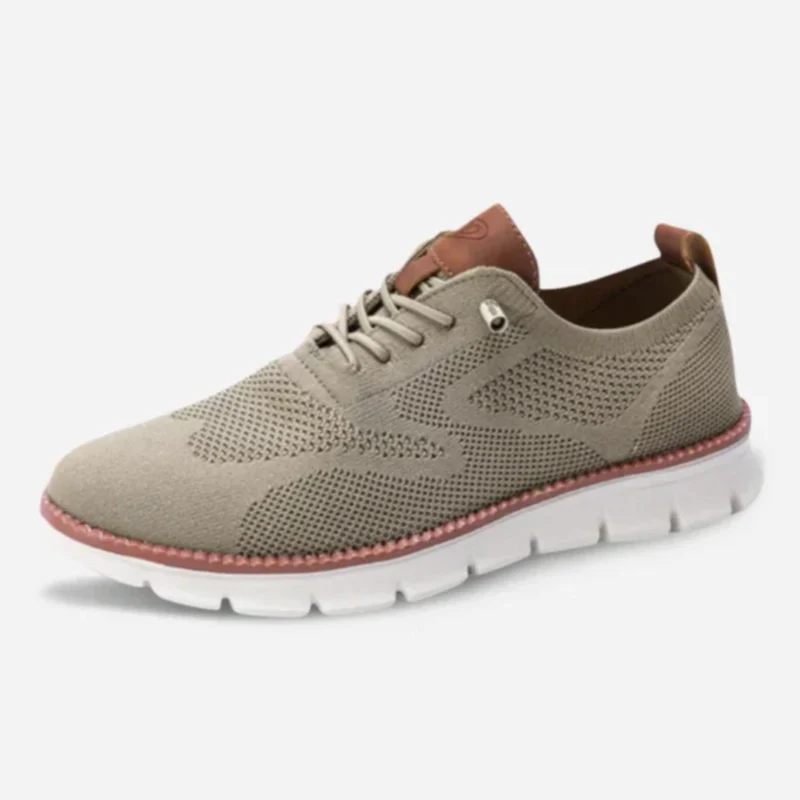
Every step you take matters—whether you’re exploring city streets, powering through your daily routine, or simply refusing to let foot discomfort slow you down. The CloudWalk – Ultra Comfortable Walking Shoes wraps your feet in therapeutic cushioning that turns pavement into clouds, so you can go farther, stay longer, and feel better doing it.
Arch support maintains the foot’s natural curve. The human foot has three arches: medial longitudinal, lateral longitudinal, and transverse. Proper support prevents collapse and distributes weight evenly.
Cushioning absorbs impact forces. Each step generates force equal to 1.5 times your body weight. Quality cushioning reduces stress on joints and bones.
Fit ensures proper toe box space and heel security. Women’s feet swell up to 8% throughout the day. Shoes must accommodate this natural expansion.
Breathability prevents moisture buildup. Feet contain 250,000 sweat glands that produce up to half a pint of perspiration daily.
The Evolution of Women’s Comfort Footwear
Women’s shoe design prioritized aesthetics over comfort until the 1970s. The athletic shoe revolution changed this paradigm. Nike released the Cortez in 1972 with foam cushioning technology. This marked the first mass-market shoe designed with biomechanics in mind.
The 1980s introduced gel cushioning systems. ASICS developed GEL technology using silicon-based compounds. This innovation reduced impact shock by 50% compared to traditional foam.
Memory foam entered footwear in the 1990s. Originally developed by NASA, memory foam molds to individual foot shapes. The material responds to body heat and pressure.
The 2000s brought EVA (ethylene-vinyl acetate) midsoles. This lightweight material provides excellent shock absorption. EVA weighs 40% less than traditional rubber while maintaining durability.
Modern advances include 3D-printed insoles and smart fabrics. Companies now create custom orthotics based on digital foot scans. Moisture-wicking materials keep feet dry in all conditions.
Types of Comfortable Shoes for Women
Walking Shoes
Walking shoes feature flexible soles and rounded heels. The rocker bottom design promotes natural foot motion. These shoes include reinforced heel counters for stability.
Key features:
- Heel drop of 4-8mm
- Flexible forefoot for toe-off
- Padded collar and tongue
- Removable insoles for orthotics
- Weight under 10 ounces per shoe
Top walking shoe brands: Brooks, New Balance, ASICS, Skechers, and Rykä.
Running Shoes
Running shoes provide maximum cushioning and motion control. They accommodate high-impact activities. Pronation control features correct foot rolling patterns.
Categories include:
- Neutral shoes: For normal pronation
- Stability shoes: For mild to moderate overpronation
- Motion control shoes: For severe overpronation
Running shoes last 300-500 miles. Replace them every 6-12 months based on usage frequency.
Sneakers and Athletic Shoes
Athletic sneakers blend style with function. Modern designs incorporate performance technologies in casual formats. Knit uppers provide flexibility and breathability.
Popular styles:
- Low-top canvas sneakers
- High-top basketball-inspired shoes
- Slip-on athletic shoes
- Chunky dad sneakers
- Minimalist trainers
Sandals
Comfortable sandals include contoured footbeds and adjustable straps. Cork footbeds mold to individual foot shapes over time. Arch support prevents foot fatigue during warm weather.
Sandal features:
- Three-point strap system
- Deep heel cups
- Metatarsal pads
- Shock-absorbing outsoles
- Adjustable buckles or velcro
Brands like Birkenstock, Teva, and Vionic specialize in supportive sandal designs.
Loafers and Flats
Comfort flats include cushioned insoles and supportive structures. Quality loafers feature reinforced shanks that prevent excessive flexing. Avoid completely flat shoes without any arch support.
Essential elements:
- Padded footbeds (minimum 5mm thick)
- Structured heel counters
- Flexible but supportive soles
- Soft leather or fabric uppers
- Room for natural toe spread
Work and Dress Shoes
Professional footwear can balance style with comfort. Look for heels under 2 inches. Wedge heels distribute pressure better than stilettos. Platform soles reduce effective heel height.
Dress shoe guidelines:
- Choose block heels over thin heels
- Select rounded or almond toe boxes
- Verify cushioned insoles
- Check for ankle straps on heels
- Prioritize quality leather construction
Boots
Comfortable boots provide ankle support and weather protection. Ankle boots work for most occasions. Knee-high boots require proper calf measurements.
Boot considerations:
- Shaft height matches leg proportions
- Zipper or elastic panels for easy entry
- Cushioned footbeds
- Traction outsoles
- Breathable linings
Winter boots need insulation rated for your climate zone.
Technical Specifications That Matter
Cushioning Systems
| Technology | Material | Benefit | Best For |
|---|---|---|---|
| EVA Foam | Ethylene-vinyl acetate | Lightweight shock absorption | Daily wear |
| Gel Inserts | Silicon compounds | Superior impact reduction | High-impact activities |
| Memory Foam | Viscoelastic polyurethane | Custom contouring | All-day standing |
| Air Cushioning | Pressurized gas chambers | Responsive bounce | Athletic performance |
| PU Foam | Polyurethane | Long-lasting support | Heavy users |
Arch Support Levels
Feet fall into three arch categories:
Low arches (flat feet): Need stability shoes with firm midsoles. Look for dual-density foam. Avoid minimalist shoes.
Normal arches: Benefit from moderate cushioning. Most shoe types work well. Focus on proper fit.
High arches: Require extra cushioning. Need flexible shoes. Avoid motion control designs.
Test your arch type: Wet your foot and step on paper. A complete footprint indicates low arches. A narrow connection shows high arches.
Heel Counter Strength
The heel counter cups the back of your foot. Firm counters prevent excessive movement. Squeeze the heel area of potential shoes. Quality counters resist compression.
Toe Box Design
Adequate toe box space prevents bunions and hammertoes. Your toes need 1/2 inch of space beyond your longest toe. Width matters as much as length.
Standard width classifications:
- Narrow: AA
- Medium: B
- Wide: D
- Extra Wide: E or EE
Outsole Materials
Rubber outsoles provide excellent traction and durability. They last longer than foam-only soles.
Carbon rubber: Dense and extremely durable. Used in high-wear areas. Heavier than alternatives.
Blown rubber: Lighter and more flexible. Provides better cushioning. Wears faster than carbon rubber.
TPU (thermoplastic polyurethane): Balances durability with flexibility. Resists oil and chemicals. Common in work shoes.
Every step you take matters—whether you’re exploring city streets, powering through your daily routine, or simply refusing to let foot discomfort slow you down. The CloudWalk – Ultra Comfortable Walking Shoes wraps your feet in therapeutic cushioning that turns pavement into clouds, so you can go farther, stay longer, and feel better doing it.
How to Select Your Most Comfortable Shoes
Step 1: Measure Your Feet
Foot size changes with age, pregnancy, and weight fluctuations. Measure both feet while standing. Use the measurement from your larger foot.
Professional fittings include:
- Length measurement
- Width measurement
- Arch height assessment
- Gait analysis
- Pressure point identification
Step 2: Identify Your Activities
Match shoes to specific uses. Walking shoes differ from running shoes. Work requirements affect selection.
Activity checklist:
- Daily step count
- Surface types (concrete, carpet, trails)
- Standing duration
- Weather conditions
- Dress code requirements
Step 3: Test the Fit
Try shoes late in the day when feet are largest. Wear the socks you plan to use. Walk on hard surfaces, not just carpet.
Fit test points:
- Heel stays in place without slipping
- Toes wiggle freely
- Ball of foot aligns with widest part of shoe
- No pressure points or rubbing
- Comfortable immediately (no break-in needed)
Step 4: Evaluate Support Features
Check for proper arch support by feeling inside the shoe. Quality insoles include raised arch areas. Remove and inspect insoles.
Support verification:
- Press on midsole (should resist compression)
- Twist shoe lengthwise (some resistance needed)
- Bend at ball of foot only
- Examine heel counter stiffness
- Verify cushioning thickness
Step 5: Consider Material Quality
Leather uppers breathe well and conform to foot shapes. They last longer than synthetic materials.
Mesh fabrics maximize breathability. They work well for athletic activities. Less durable than leather.
Synthetic leather resists water and cleans easily. Often costs less than genuine leather. May not breathe as well.
Maintenance for Long-Lasting Comfort
Proper care extends shoe life and maintains comfort features.
Cleaning Methods
Remove dirt and debris after each use. Brush away dried mud. Wipe leather with damp cloths. Machine wash only if manufacturer approved.
Cleaning supplies needed:
- Soft bristle brush
- Mild soap solution
- Leather conditioner (for leather shoes)
- Suede eraser (for suede materials)
- Shoe trees or crumpled paper
Storage Practices
Store shoes in cool, dry locations. Avoid direct sunlight and heat sources. Use shoe trees to maintain shape. Keep pairs separated to allow air circulation.
Insole Replacement
Replace insoles every 6-12 months. Original insoles compress and lose support. Aftermarket insoles often provide better cushioning.
Quality insole brands: Superfeet, Powerstep, Dr. Scholl’s, Spenco, and Sof Sole.
Rotation Strategy
Rotate between multiple pairs. Shoes need 24-48 hours to dry completely. Alternating pairs prevents premature breakdown. Own at least three pairs for regular activities.
Professional Repairs
Cobblers can replace outsoles and repair damaged uppers. Heel replacement costs $15-40. Full sole replacement costs $40-100. Quality shoes justify repair investments.
Health Benefits of Comfortable Footwear
Proper shoes prevent numerous health problems. They affect your entire body, not just your feet.
Posture Improvement
Supportive shoes align your spine correctly. Good alignment reduces back pain. Your foundation affects everything above it.
Joint Protection
Cushioning reduces stress on knees, hips, and ankles. Each 1mm of cushioning decreases joint impact by approximately 3%.
Circulation Enhancement
Properly fitted shoes prevent constriction. Good circulation delivers oxygen and nutrients. Tight shoes cause numbness and swelling.
Injury Prevention
Stable shoes reduce fall risk. Adequate traction prevents slips. Proper support decreases sprain likelihood.
Energy Conservation
Comfortable shoes reduce fatigue. Less energy goes toward compensating for poor support. You accomplish more with less effort.
Common Comfort Mistakes to Avoid
Buying shoes too small: Your feet need room to expand. Size up if between sizes.
Ignoring width: Length matters less than width for many women. Narrow or wide options exist for most styles.
Prioritizing style over function: Beautiful shoes that hurt serve no purpose. Style and comfort can coexist.
Skipping break-in: Quality shoes feel comfortable immediately. Pain during “breaking in” signals poor fit.
Keeping worn-out shoes: Compressed cushioning provides no protection. Worn treads cause slips.
Summary
The most comfortable shoes for women combine proper arch support, adequate cushioning, correct fit, and quality materials. Your comfort depends on matching shoes to specific activities and foot characteristics.
Invest in professional fitting services. Measure both feet while standing. Test shoes on hard surfaces. Check support features carefully. Maintain shoes properly. Rotate multiple pairs. Replace shoes every 300-500 miles or when cushioning compresses.
Comfort affects your health, productivity, and quality of life. Your feet carry you through approximately 115,000 miles in a lifetime. They deserve proper support. Visit Keeps Footwear to explore options designed with your comfort in mind.
Every step you take matters—whether you’re exploring city streets, powering through your daily routine, or simply refusing to let foot discomfort slow you down. The CloudWalk – Ultra Comfortable Walking Shoes wraps your feet in therapeutic cushioning that turns pavement into clouds, so you can go farther, stay longer, and feel better doing it.