
Blog
What Are the Most Comfortable Shoes for Work?

Understanding Work Shoe Comfort
Comfort in work shoes depends on three physical factors. Arch support maintains the foot’s natural alignment. Cushioning absorbs impact during walking and standing. Fit prevents friction that causes blisters and pain.
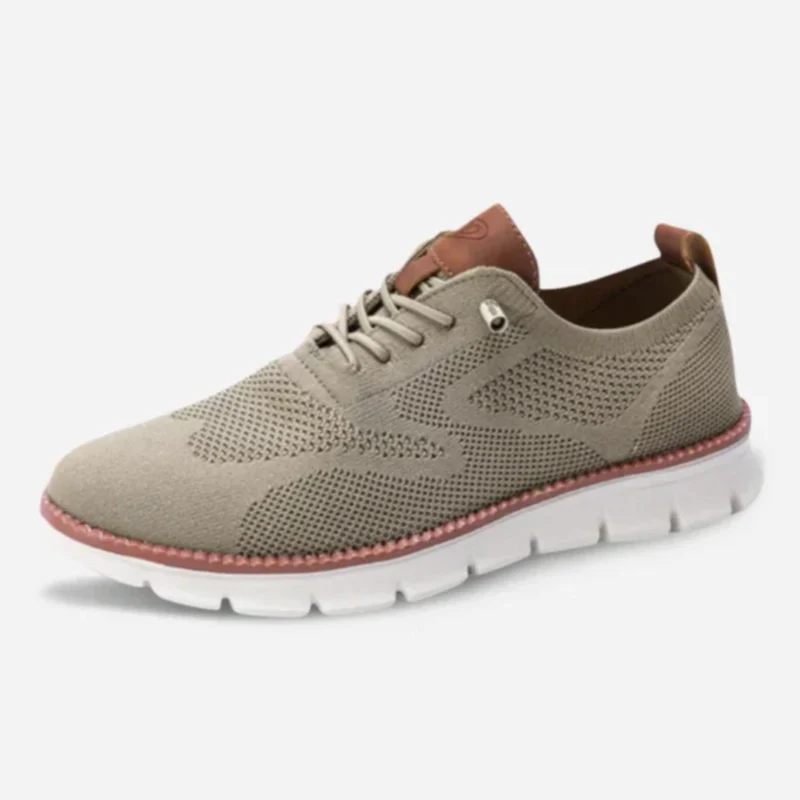
Every step you take matters—whether you’re exploring city streets, powering through your daily routine, or simply refusing to let foot discomfort slow you down. The CloudWalk – Ultra Comfortable Walking Shoes wraps your feet in therapeutic cushioning that turns pavement into clouds, so you can go farther, stay longer, and feel better doing it.
The average person takes 10,000 steps daily at work. Poor footwear creates cumulative stress on feet, knees, and lower back. Quality work shoes distribute body weight evenly across the foot’s surface.
History of Work Footwear
Work-specific shoes emerged during the Industrial Revolution in the 1800s. Factory workers needed protection from machinery and concrete floors. Early designs used thick leather and wooden soles.
The 1960s introduced polyurethane midsoles that changed comfort standards. Nike released air cushioning technology in 1979. This innovation spread to work shoe manufacturers by the 1990s.
Modern work shoes combine athletic shoe technology with professional styling. Companies now engineer footwear for specific occupations like nursing, retail, and food service.
Technical Specifications That Define Comfort
Midsole Materials
EVA foam (ethylene-vinyl acetate) offers lightweight cushioning. It compresses 40-50% under pressure and returns to shape. EVA breaks down after 300-500 miles of use.
Polyurethane provides firmer support and lasts 2-3 times longer than EVA. The density ranges from 0.3 to 0.6 g/cm³. Higher density means better durability but less initial softness.
Memory foam molds to foot contours within 30 seconds. It distributes pressure across a larger surface area. Memory foam loses responsiveness in temperatures below 50°F.
Arch Support Systems
The foot arch acts as a natural shock absorber. Flat feet (low arches) need motion control features. High arches require extra cushioning because less foot surface contacts the ground.
Arch support height should match your foot’s curve. Measure this by doing a wet foot test. Step on a piece of cardboard and examine the footprint shape.
Outsole Design
Slip-resistant outsoles use soft rubber compounds with tread patterns. The coefficient of friction should exceed 0.5 for wet surfaces. Hospitals and restaurants require this specification.
Rocker soles curve upward at the toe. This design reduces ankle motion by 20-30%. It helps people with arthritis or limited mobility.
Upper Construction
Leather uppers provide durability and breathability. Full-grain leather lasts longest but requires break-in time. Split leather costs less but tears more easily.
Mesh uppers increase airflow by 40% compared to solid materials. They work best in climate-controlled environments. Mesh wears out faster in outdoor conditions.
Synthetic materials like nylon resist water and clean easily. They lack leather’s natural stretch. This creates pressure points if sizing is incorrect.
Best Shoe Types by Work Environment
Office Work
Office workers sit 6-8 hours daily but walk between meetings and tasks. Oxford-style shoes offer professional appearance with hidden cushioning. Look for removable insoles to add custom orthotics.
Heel height should stay under 1.5 inches. Higher heels shift body weight forward and strain the forefoot. Women’s flats need substantial arch support to prevent plantar fasciitis.
Healthcare and Nursing
Nurses walk 4-5 miles per shift on hard floors. Clogs with closed backs provide easy on-off access and stability. The heel cup should be at least 1 inch deep.
White or black leather meets hospital dress codes. Choose styles with antimicrobial linings to control odor. Replace nursing shoes every 6 months due to high mileage.
Retail and Hospitality
Retail workers stand 8-10 hours on concrete or tile. Athletic-style work shoes combine sneaker comfort with slip-resistant soles. The toe box needs extra width because feet swell during long shifts.
Shock absorption matters more than arch support for standing jobs. Test shoes by pressing the midsole with your thumb. It should compress 3-4mm and bounce back immediately.
Construction and Labor
Construction sites require steel toe boots that meet ASTM F2413 standards. Modern composite toe caps weigh 30% less than steel. They don’t conduct cold or electricity.
Waterproof membranes like Gore-Tex keep feet dry without trapping sweat. The boot shaft should reach 6 inches above the ankle. This prevents debris from entering and provides lateral support.
Food Service
Restaurant workers face grease and water hazards. Slip-resistant work shoes need oil-resistant rubber outsoles. The tread pattern should channel liquids away from contact points.
Choose closed-toe designs with sealed seams. This prevents hot liquid spills from reaching skin. Replace outsoles when tread depth falls below 2mm.
Comparison of Top Work Shoe Features
| Feature | Office | Healthcare | Retail | Construction | Food Service |
|---|---|---|---|---|---|
| Cushioning Level | Medium | High | High | Medium | Medium |
| Slip Resistance | Low | High | Medium | High | Very High |
| Toe Protection | None | None | None | Steel/Composite | Steel Optional |
| Breathability | High | High | Medium | Low | Low |
| Water Resistance | Optional | Preferred | Optional | Required | Required |
| Average Lifespan | 12-18 months | 4-6 months | 6-9 months | 6-12 months | 6-9 months |
Every step you take matters—whether you’re exploring city streets, powering through your daily routine, or simply refusing to let foot discomfort slow you down. The CloudWalk – Ultra Comfortable Walking Shoes wraps your feet in therapeutic cushioning that turns pavement into clouds, so you can go farther, stay longer, and feel better doing it.
Key Brands and Their Specializations
Dansko dominates healthcare footwear with contoured footbeds. Their clogs feature a rocker sole that reduces calf muscle fatigue by 15%. The company offers a 30-day comfort guarantee.
Skechers Work produces slip-resistant styles for food service and retail. Memory foam insoles provide immediate comfort. Their shoes cost 30-40% less than premium brands.
Red Wing manufactures heavy-duty work boots since 1905. Their boots use Goodyear welt construction that allows sole replacement. Expect 3-5 years of use with proper maintenance.
Hoka brings maximal cushioning to work shoes. Their midsoles stack 30-35mm high compared to 20mm in standard shoes. This design works well for concrete floors.
New Balance offers work shoes in multiple width options (2A to 4E). Width affects comfort more than length for many people. Their 626 model serves restaurant workers specifically.
Proper Fitting Process
Measure feet at the end of the workday when swelling peaks. Size can increase a half-size from morning to evening. Stand during measurement because feet spread under body weight.
Leave a thumb’s width (½ inch) between longest toe and shoe end. Toes should move freely without cramping. The heel should not slip more than ¼ inch during walking.
Walk on hard surfaces in the store for 10 minutes. Comfort felt while sitting differs from standing comfort. Pay attention to pressure points at the ball of foot and ankle.
Wear the socks you’ll use at work during fitting. Thick socks reduce available space by half a size. Compression socks change how shoes feel around the ankle.
Breaking In New Work Shoes
Wear new shoes for 2-3 hours daily during the first week. Alternate with old shoes to prevent blisters. Apply moleskin padding to areas that feel tight.
Leather shoes need 2-3 weeks to conform to foot shape. Speed this process by wearing thick socks and using a shoe stretcher overnight. Apply leather conditioner to soften stiff areas.
Synthetic materials don’t stretch significantly. If synthetic shoes hurt after 5 days, they’re too small. Return them and size up.
Maintenance for Longevity
Clean shoes weekly to remove dirt that degrades materials. Use saddle soap on leather and mild detergent on synthetics. Air dry away from direct heat sources.
Rotate between two pairs of work shoes. This allows moisture to evaporate completely between wears. Trapped moisture breaks down cushioning foam 50% faster.
Replace insoles every 3-4 months. They compress permanently and lose support. Aftermarket insoles from Superfeet or Powerstep often exceed original equipment quality.
Check outsoles monthly for wear patterns. Uneven wear indicates gait problems or poor fit. Replace shoes when outsole thickness decreases by 50%.
Custom Orthotics and Modifications
Over-the-counter insoles cost $20-60 and improve comfort for 70% of users. They provide better arch support than factory insoles. Choose firmness based on body weight.
Custom orthotics require podiatrist evaluation and cost $300-800. Insurance covers them for diagnosed conditions like plantar fasciitis or diabetes. The fabrication process takes 2-3 weeks.
Heel lifts correct leg length discrepancies under ¼ inch. They prevent hip and back pain from uneven gait. Lifts stick to the inside of shoes and cost $10-15.
Metatarsal pads shift weight away from the ball of foot. They help people with Morton’s neuroma or sesamoiditis. Position pads ½ inch behind the pain point.
Signs You Need New Work Shoes
Replace work shoes when cushioning no longer rebounds. Press the midsole firmly. If it stays compressed for more than 2 seconds, the foam has failed.
Visible creasing on the midsole indicates structural breakdown. The shoe cannot provide proper support in this state. Continuing to wear failed shoes causes joint problems.
Pain that appears after wearing shoes for 2 hours signals inadequate support. New foot pain correlates directly with worn-out footwear in 65% of cases.
Sole separation at the toe or heel means water can enter. This damages the insole and creates slip hazards. Repair costs exceed replacement value for most work shoes.
Selection Framework
Step 1: Identify your primary work surface (carpet, concrete, tile, outdoor terrain). Hard surfaces require maximum cushioning.
Step 2: Calculate daily time spent standing versus walking. Standing needs broader toe boxes. Walking needs flexible forefoot areas.
Step 3: Determine required safety features (slip resistance, toe protection, electrical hazard protection). Match specifications to workplace requirements.
Step 4: Measure both feet and use the larger size. Sizes vary between brands by up to a full size.
Step 5: Test shoes on appropriate surfaces for at least 10 minutes. Carpet feels different than hard floors.
Step 6: Verify the return policy allows worn shoes to be returned. Many comfort issues appear only after a full workday.
Comfortable work shoes reduce fatigue, prevent injuries, and improve job performance. Invest in quality footwear that matches your specific work demands. Your feet support your entire body for 8+ hours daily. They deserve proper equipment.
Every step you take matters—whether you’re exploring city streets, powering through your daily routine, or simply refusing to let foot discomfort slow you down. The CloudWalk – Ultra Comfortable Walking Shoes wraps your feet in therapeutic cushioning that turns pavement into clouds, so you can go farther, stay longer, and feel better doing it.