
Blog
What Is a Comfortable Shoe for Standing All Day?

The History of Ergonomic Footwear
Early humans made shoes from animal skins. These items protected feet from sharp rocks. Ancient Egyptians used woven papyrus for sandals. These shoes provided little support. People stood on hard floors as civilizations grew. Cobblers began to use wood for shoe bases during the Middle Ages. Wooden clogs protected feet from wet ground. Workers in factories needed more comfort during the Industrial Revolution. Manufacturers developed rubber soles in the late 1800s. Rubber absorbed shock better than wood.
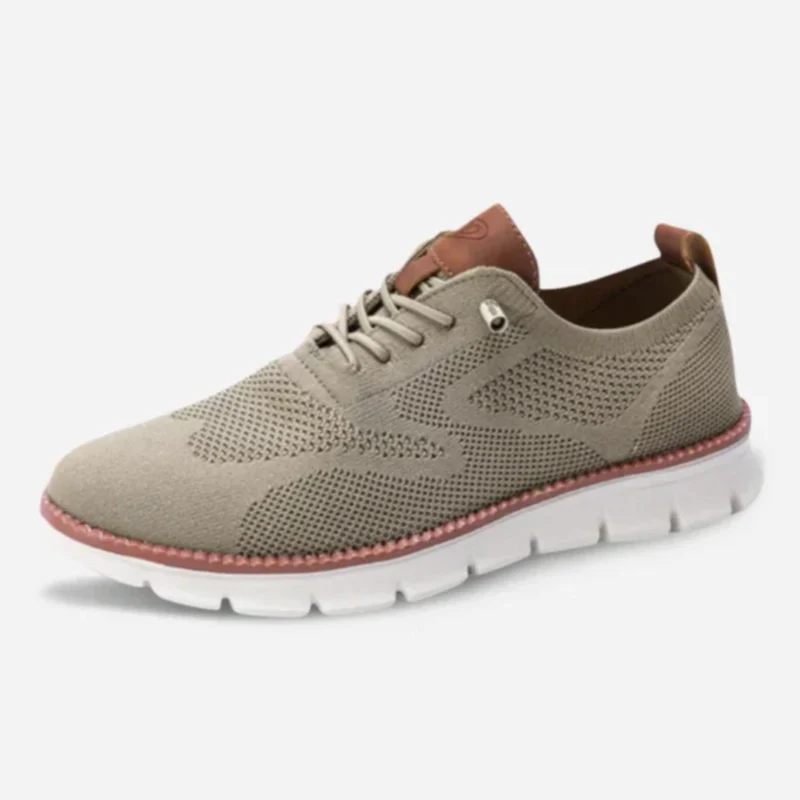
Every step you take matters—whether you’re exploring city streets, powering through your daily routine, or simply refusing to let foot discomfort slow you down. The CloudWalk – Ultra Comfortable Walking Shoes wraps your feet in therapeutic cushioning that turns pavement into clouds, so you can go farther, stay longer, and feel better doing it.
The 20th century saw the birth of modern sports science. Companies studied how feet move during gait. Podiatrists helped design shoes with arch support. Occupational health became important in the 1970s. Unions demanded better footwear for hospital staff and retail workers. Modern standing shoes use high-tech foams. Engineers borrow designs from running shoes. Today, ergonomic footwear combines durability with medical-grade support. People understand that foot health affects the entire body.
Technical Specifications of High-Performance Standing Shoes
A comfortable shoe has many technical parts. Each part serves a specific function. You must evaluate these components before buying.
Midsoles and Cushioning Technologies
The midsole is the layer between the insole and the outsole. It provides the primary shock absorption. Most manufacturers use EVA (Ethylene Vinyl Acetate). EVA is a lightweight foam. It contains tiny air bubbles. These bubbles compress under weight. This compression reduces the force on your joints.
Polyurethane (PU) is another common material. PU is heavier than EVA. It lasts longer. It does not compress permanently over time. Some premium shoes use TPU (Thermoplastic Polyurethane). TPU offers high energy return. It pushes back against the foot. This minimizes muscle fatigue.
Insole Materials and Orthotic Design
The insole sits directly under the foot. Removable insoles are best. You can replace them with custom medical orthotics. Quality insoles use memory foam or open-cell foam. Open-cell foam allows air to circulate. It prevents heat buildup.
Good insoles feature a deep heel cup. This cup holds the fatty pad under the heel bone. It centers the foot. This prevents the foot from rolling inward. Podiatrists call this motion overpronation. Long-term standing causes overpronation. A deep heel cup stops this process.
Outsole Patterns and Grip Science
The outsole is the bottom of the shoe. It must provide traction. Professional standing shoes require slip-resistant outsoles. Look for a high coefficient of friction. Rubber compounds work best for grip.
The tread pattern matters. Small grooves channel liquids away from the center. This prevents hydroplaning on wet kitchen or hospital floors. Square lugs provide stability. Circular patterns allow for easy pivoting. A wide outsole base provides a stable platform. It spreads the body weight over a larger area.
Anatomical Needs for Long-Term Standing
Standing still puts more stress on feet than walking. Gravity pulls blood toward the ankles. Muscles stay contracted to maintain balance. The right shoe addresses these physical challenges.
Arch Support and Weight Distribution
The foot has three arches. The medial longitudinal arch is the most important. A comfortable shoe supports this arch. Without support, the arch collapses. This causes plantar fasciitis.
The shoe should fill the space under your arch. This transfers pressure away from the heel and ball of the foot. It balances the load. High arches need soft cushioning. Flat feet need rigid support. Most work shoes offer neutral support for average feet.
Heel Stabilization and Shock Absorption
The heel hits the ground first. It carries 60% of your body weight. Effective shoes use heel counters. A heel counter is a firm insert inside the back of the shoe. It locks the heel in place.
Shock absorption materials sit in the heel area. Some shoes use gel inserts. Others use air pockets. These technologies disperse energy sideways. They prevent the energy from traveling up the leg to the lower back. This protects the spine.
Material Selection for Professional Footwear
Materials affect durability and comfort. Choose materials based on your work environment.
Leather versus Synthetic Mesh
Full-grain leather is traditional. It is durable. It resists water and spills. Leather stretches over time to fit the foot shape. It provides a professional appearance. Leather shoes are heavy.
Synthetic mesh is lightweight. It is highly breathable. It keeps feet cool in hot warehouses. Mesh does not resist liquids well. Some mesh shoes have TPU overlays. These overlays add strength without adding much weight.
Lining Materials for Temperature Regulation
The shoe lining touches your skin or socks. Moisture-wicking fabrics are essential. They pull sweat away from the foot. This keeps the skin dry. Dry skin does not blister.
Silver-infused linings kill bacteria. This prevents odors. Some linings use Gore-Tex. This membrane blocks water but allows vapor to escape. It keeps feet dry in rainy conditions.
Health Benefits of Proper Footwear
Wearing the right shoes improves overall health. It is an investment in your career.
- Reduces Pain: Proper shoes stop foot, knee, and back pain.
- Improves Posture: Support aligns the skeletal system.
- Prevents Injury: Slip-resistant soles stop falls.
- Boosts Productivity: Comfortable workers focus better on tasks.
- Long-Term Joints Health: Cushioning protects cartilage in the knees.
- Better Circulation: Proper fit prevents swelling and varicose veins.
Comparison Table of Comfort Features
| Feature | Material | Primary Benefit | Best For |
| Midsole | EVA Foam | High Shock Absorption | Short high-impact tasks |
| Midsole | PU Foam | Long-term Durability | 12-hour shifts |
| Insole | Memory Foam | Instant Comfort | Retail workers |
| Insole | Firm Foam | Arch Stability | People with flat feet |
| Outsole | Nitrile Rubber | Slip Resistance | Kitchens and labs |
| Upper | Leather | Protection/Durability | Healthcare and trades |
| Upper | Mesh | Breathability | Fast-paced environments |
Every step you take matters—whether you’re exploring city streets, powering through your daily routine, or simply refusing to let foot discomfort slow you down. The CloudWalk – Ultra Comfortable Walking Shoes wraps your feet in therapeutic cushioning that turns pavement into clouds, so you can go farther, stay longer, and feel better doing it.
Maintenance Tips for Longevity
Take care of your shoes to maintain their support. Shoes lose their function over time.
- Rotate Your Shoes: Do not wear the same pair two days in a row. Foam needs 24 hours to recover its shape. This prevents permanent compression.
- Clean Regularly: Remove dirt from the outsole. Dirt fills the tread and reduces grip. Use a damp cloth for leather. Use a soft brush for mesh.
- Replace Insoles: Insoles wear out faster than the shoe. Replace them every three months. This restores cushioning.
- Air Dry: Never put shoes in the dryer. Heat destroys adhesives and foams. Open the shoes wide to air dry at room temperature.
- Check the Tread: Look at the bottom of the shoe. Replace the shoe when the tread is flat. Smooth outsoles are dangerous.
- Condition Leather: Apply leather conditioner once a month. This stops the leather from cracking. It keeps the material flexible.
Steps to Find Your Perfect Fit
Follow these steps to choose the best shoe for standing all day.
- Measure Your Feet: Foot size changes as you age. Measure both feet. One foot is often larger than the other. Buy for the larger foot.
- Shop in the Evening: Feet swell during the day. Shopping late ensures the shoe fits during your shift.
- Bring Your Work Socks: Different socks change the fit. Wear the socks you use for work.
- Test the Toe Box: Ensure there is a half-inch of space in front of your toes. Toes should wiggle freely.
- Check the Heel: Walk in the shoe. The heel should not slip out.
- Perform the Bend Test: Bend the shoe at the toe. It should be flexible. It should not bend in the middle. The middle must be rigid to support the arch.
- Identify Your Arch Type: Use the wet foot test. Wet your foot and step on paper. A full print means flat feet. A narrow line means high arches. Match the shoe to the print.
Common Foot Conditions and Shoe Solutions
Many workers suffer from specific conditions. Specific shoe features help these issues.
Plantar Fasciitis
This condition involves inflammation of the tissue on the bottom of the foot. It causes sharp heel pain. Shoes for this condition must have rigid arch support. They also need a cushioned heel. Avoid flat shoes like canvas sneakers.
Bunions
A bunion is a bony bump on the joint of the big toe. Narrow shoes make bunions painful. Choose shoes with a wide toe box. Look for soft upper materials. Leather stretches to accommodate the bump.
Overpronation
The foot rolls inward excessively. This stresses the ankles. Motion control shoes fix this. They have firm foam on the inner side of the shoe. This keeps the foot in a neutral position.
Why Quality Matters for Daily Standing
Cheap shoes cost more in the long run. They wear out in two months. They cause medical bills. High-quality shoes last six to twelve months. They protect your body.
Nurses walk miles during a shift. Retail associates stand on concrete. Chefs deal with heat and moisture. Each environment needs a specialized shoe. Check the KEEPS Footwear selection for professional options. They offer features for many work types.
Look for the American Podiatric Medical Association (APMA) Seal of Acceptance. This seal proves the shoe promotes foot health. Professional standing shoes provide the base for your entire work day. Your feet carry your weight. Give them the support they need.
Final Selection Summary
Choosing a shoe is a technical task. Focus on the midsole for energy. Focus on the insole for the arch. Focus on the outsole for safety. Ensure the materials match your workplace. Replace your gear when the foam fails. Good shoes keep you energized. Bad shoes lead to fatigue. Prioritize your comfort to perform your best at work.
The anatomy of a comfortable shoe is simple but precise. It uses foam to fight gravity. It uses rubber to prevent falls. It uses fabric to manage sweat. Combine these elements to stay healthy on your feet. Start your search by measuring your feet tonight. Follow the selection steps for a perfect fit. Your body will appreciate the effort. Comfort starts from the ground up.
Every step you take matters—whether you’re exploring city streets, powering through your daily routine, or simply refusing to let foot discomfort slow you down. The CloudWalk – Ultra Comfortable Walking Shoes wraps your feet in therapeutic cushioning that turns pavement into clouds, so you can go farther, stay longer, and feel better doing it.