
Blog
What Is the Most Comfortable Golf Shoe?

Understanding Golf Shoe Comfort
The most comfortable golf shoe combines cushioning technology, arch support, breathable materials, and a secure fit that prevents foot fatigue during 18 holes. Comfort depends on your foot shape, walking style, and course conditions.
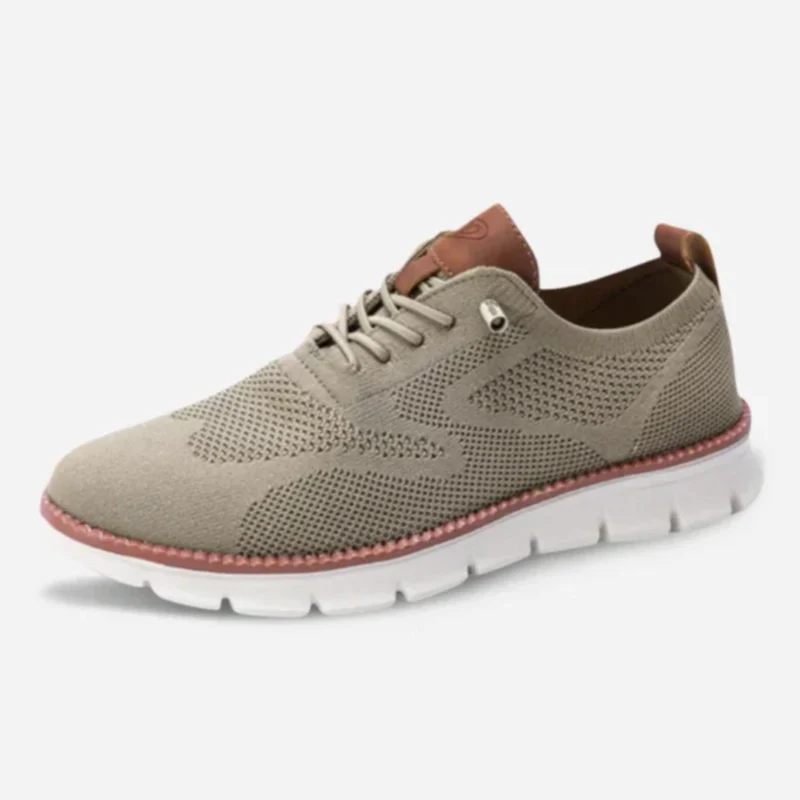
Every step you take matters—whether you’re exploring city streets, powering through your daily routine, or simply refusing to let foot discomfort slow you down. The CloudWalk – Ultra Comfortable Walking Shoes wraps your feet in therapeutic cushioning that turns pavement into clouds, so you can go farther, stay longer, and feel better doing it.
Modern golf shoes use foam midsoles, waterproof membranes, and flexible outsoles. These features work together to reduce stress on your feet during a typical four-hour round.
The Evolution of Golf Shoe Design
Early Golf Footwear (1890s-1950s)
Golf shoes started as leather boots with metal spikes. Players wore stiff, heavy footwear that offered minimal cushioning. These shoes focused on traction, not comfort.
Early designs caused blisters and foot pain. The leather required regular treatment to maintain water resistance.
Modern Innovation (1990s-Present)
The 1990s introduced spikeless designs and synthetic materials. Manufacturers added EVA foam, polyurethane midsoles, and memory foam insoles.
Current shoes feature:
- Waterproof breathable membranes
- Lightweight synthetic uppers
- Responsive cushioning systems
- Anatomical footbeds
- Flexible spike patterns
Key Comfort Features in Golf Shoes
Cushioning Systems
Foam midsoles absorb impact with each step. Premium shoes use multi-density foam that provides both softness and stability.
Insole technology includes:
- Memory foam that molds to your foot
- Gel pads in heel and forefoot areas
- Ortholite foam for moisture management
- Removable insoles for custom orthotics
Arch Support
Proper arch support prevents foot fatigue and plantar fasciitis. Golf shoes offer three arch types:
- Low arch – Flat footbed with minimal curve
- Medium arch – Standard support for neutral feet
- High arch – Enhanced curve for supinated feet
Breathability
Breathable materials keep feet dry and prevent overheating. Modern shoes use:
- Mesh panels in uppers
- Moisture-wicking linings
- Perforated leather
- Gore-Tex or similar waterproof membranes
Weight Distribution
Lighter shoes reduce leg fatigue. Most comfortable models weigh between 10-14 ounces per shoe. The weight should balance across the sole for natural foot movement.
Fit and Sizing
A proper fit allows:
- One thumb width between toes and shoe end
- Snug heel cup without slipping
- Secure midfoot without pressure points
- Room for foot expansion during walking
Top Comfort Technologies by Brand
FootJoy Comfort Systems
FootJoy uses Stratolite foam and OrthoLite insoles. Their shoes feature Versa-Trax outsoles that flex with your foot motion.
The FJ Flex line emphasizes flexibility and cushioning for walkers.
Adidas Boost Technology
Adidas incorporates Boost foam midsoles that return energy with each step. The Primeknit uppers stretch to accommodate foot shape.
Torsion systems provide midfoot stability without restricting movement.
Nike React Foam
Nike’s React foam offers lightweight cushioning that maintains structure. Their Flyknit construction reduces pressure points.
Integrated traction patterns eliminate the need for replaceable spikes.
Ecco Comfort Innovations
Ecco makes shoes from single-piece Hydromax leather that stretches and breathes. Their FLUIDFORM technology bonds the sole directly to the upper.
Phorene midsoles provide long-lasting cushioning that doesn’t compress over time.
Comparison of Comfort Features
| Brand/Model | Cushioning Type | Weight (oz) | Waterproof | Arch Support | Price Range |
|---|---|---|---|---|---|
| FootJoy Pro/SL | Stratolite foam | 11.5 | Yes | Medium | $160-180 |
| Adidas Tour360 | Boost foam | 13.2 | Yes | Medium-High | $200-220 |
| Nike Infinity Pro | React foam | 10.8 | Yes | Medium | $140-160 |
| Ecco Biom C4 | Phorene | 12.4 | Yes | Low-Medium | $220-250 |
| Skechers Go Golf Elite | Ultra Flight | 9.8 | No | Medium | $100-120 |
| New Balance Fresh Foam | Fresh Foam X | 11.0 | Yes | Medium-High | $130-150 |
Every step you take matters—whether you’re exploring city streets, powering through your daily routine, or simply refusing to let foot discomfort slow you down. The CloudWalk – Ultra Comfortable Walking Shoes wraps your feet in therapeutic cushioning that turns pavement into clouds, so you can go farther, stay longer, and feel better doing it.
Selecting the Most Comfortable Golf Shoe for Your Needs
Assess Your Foot Type
Determine your arch height and foot width. Visit a professional fitter or use the wet foot test at home. Step on a paper bag after wetting your feet to see your arch print.
Flat feet need motion control and structured support. High arches require extra cushioning to absorb impact. Neutral feet work with most shoe designs.
Consider Your Playing Style
Walkers need maximum cushioning and lightweight construction. Walking 18 holes equals 4-6 miles. Priority features include shock absorption and breathability.
Cart riders can choose heavier shoes with added stability features. Weight matters less than lateral support for swing positions.
Evaluate Course Conditions
Wet climates require waterproof membranes and quick-drying materials. Look for shoes with sealed seams and treated leather.
Dry climates allow more breathable designs. Mesh uppers and spikeless soles work well in these conditions.
Hilly courses demand better traction and ankle support. Spiked shoes provide superior grip on slopes.
Test the Fit
Try shoes in the afternoon when feet are slightly swollen. Wear your golf socks during fitting. Walk around the store for at least 5 minutes.
Check these fit points:
- Heel stays in place when walking
- Toes don’t touch the front
- No pinching across the ball of foot
- Laces tighten evenly without gaps
Budget Considerations
Premium shoes ($180-250) offer advanced cushioning and materials. Mid-range options ($120-180) provide good comfort with fewer features. Budget shoes ($80-120) work for occasional players.
Expensive shoes often last longer and maintain cushioning better over time.
Maintenance for Long-Term Comfort
Cleaning Procedures
Remove dirt after each round. Use a soft brush and mild soap solution. Stuff shoes with newspaper to maintain shape while drying.
Clean spikes and traction elements regularly. Dirt buildup reduces grip and creates uneven wear patterns.
Storage Methods
Store shoes in a cool, dry location. Avoid leaving them in hot car trunks. Use shoe trees to prevent creasing and maintain structure.
Rotate between two pairs if you play frequently. This allows materials to decompress and dry completely.
Replacing Components
Insoles wear out before shoes do. Replace them every 40-50 rounds for maintained cushioning. Most golf shoes accept aftermarket insoles.
Spikes need replacement when worn down to the base. Check spike condition every 15-20 rounds.
Apply waterproofing treatment to leather shoes twice per season.
Common Comfort Problems and Solutions
Blisters and Hot Spots
Blisters form from friction and moisture. Prevent them by:
- Using moisture-wicking socks
- Applying anti-chafe products to problem areas
- Breaking in new shoes gradually
- Ensuring proper fit without tight spots
Foot Fatigue
Tired feet indicate insufficient cushioning or poor arch support. Solutions include:
- Adding cushioned insoles
- Choosing shoes with softer midsoles
- Taking breaks during practice rounds
- Strengthening foot muscles with exercises
Toe Pain
Pain in toes suggests shoes are too short or narrow. Fix this by:
- Sizing up a half size
- Trying wide width options
- Loosening laces across the toe box
- Selecting shoes with roomier toe boxes
Making Your Final Decision
The most comfortable golf shoe matches your specific foot anatomy and playing conditions. No single model works for everyone.
Test multiple brands and styles. Walk in them extensively before buying. Prioritize features that address your specific comfort needs.
Quality golf shoes improve your game by reducing distractions from foot discomfort. The right pair allows you to focus on your swing and course strategy rather than aching feet.
Invest in proper fitting and maintenance. A well-chosen, properly cared-for golf shoe provides comfort for 50-100 rounds before replacement becomes necessary.
Your feet carry you through every round. Give them the comfort and support they deserve with shoes engineered for the unique demands of golf.
Every step you take matters—whether you’re exploring city streets, powering through your daily routine, or simply refusing to let foot discomfort slow you down. The CloudWalk – Ultra Comfortable Walking Shoes wraps your feet in therapeutic cushioning that turns pavement into clouds, so you can go farther, stay longer, and feel better doing it.