
Blog
What Is the Most Comfortable Shoe for Nurses?

Why Comfort Matters for Healthcare Professionals
Nurses walk between 4 and 5 miles during a typical 12-hour shift. Your feet bear the full weight of this demanding physical labor. Poor footwear leads to plantar fasciitis, lower back pain, and knee problems. These conditions directly reduce your ability to provide patient care.
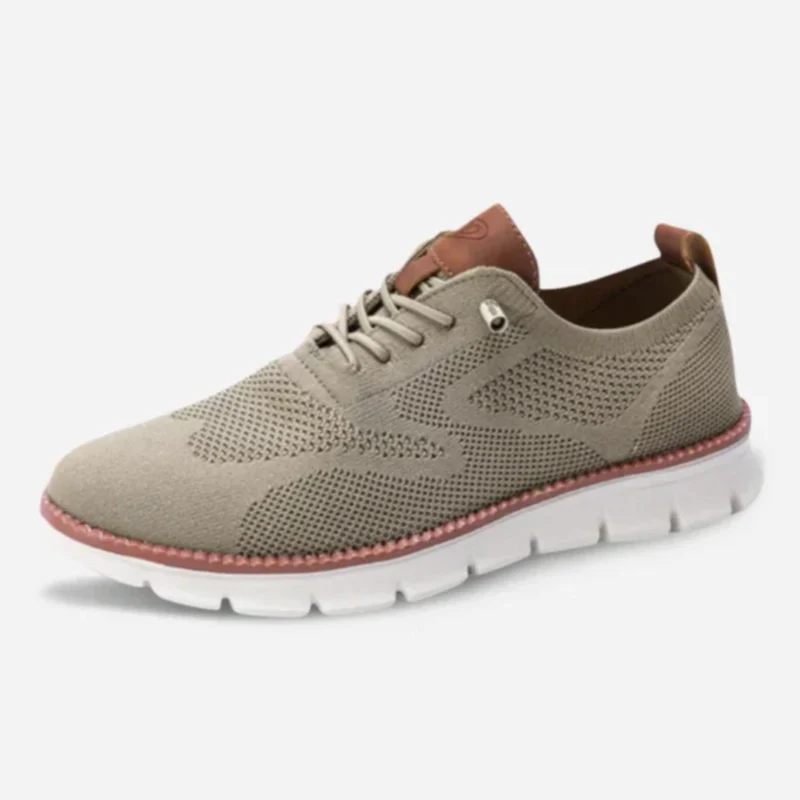
Every step you take matters—whether you’re exploring city streets, powering through your daily routine, or simply refusing to let foot discomfort slow you down. The CloudWalk – Ultra Comfortable Walking Shoes wraps your feet in therapeutic cushioning that turns pavement into clouds, so you can go farther, stay longer, and feel better doing it.
Comfortable nursing shoes protect your musculoskeletal system. They absorb shock from constant movement on hard hospital floors. The right pair prevents fatigue and maintains your focus during critical moments.
Healthcare workers report that foot pain is their number one physical complaint. This pain stems from inadequate arch support, thin cushioning, and shoes without proper stability features.
The Evolution of Nursing Footwear
Early Days: Function Over Form
Nursing shoes began as simple white leather oxfords in the early 1900s. These shoes prioritized cleanliness and professional appearance. Comfort was secondary. Nurses suffered through long shifts in stiff leather that offered minimal cushioning.
The white uniform shoe became standard by the 1950s. Manufacturers added rubber soles for better traction. However, these early designs lacked ergonomic support. The shoes caused blisters, bunions, and chronic foot conditions.
Modern Innovation: Performance Technology
The 1990s brought athletic shoe technology into healthcare footwear. Companies began using EVA foam, gel cushioning, and anatomical footbeds. These materials transformed nursing shoes from basic work boots into performance footwear.
Today’s nursing shoes incorporate advanced features:
- Memory foam insoles that mold to your foot shape
- Slip-resistant outsoles tested to meet hospital safety standards
- Antimicrobial linings that prevent bacterial growth
- Compression-molded midsoles for shock absorption
- Breathable mesh uppers that reduce moisture buildup
Technical Specifications That Define Comfort
Cushioning Systems
Midsole density determines how well shoes absorb impact. Nurses need midsoles rated between 45 and 65 Shore A durometer. This range provides optimal shock absorption without feeling too soft or unstable.
Polyurethane midsoles last longer than EVA foam. They maintain cushioning properties through 500+ miles of walking. EVA foam compresses faster but weighs less.
Gel cushioning systems place polymer gel pads in high-impact zones. The heel strike zone receives the most force. Gel inserts in this area reduce stress on your Achilles tendon and calf muscles.
Arch Support Architecture
Your foot’s arch acts as a natural shock absorber. Proper arch support maintains this biomechanical function throughout long shifts.
Three arch types require different support levels:
- Low arches (flat feet): Need firm, structured support to prevent overpronation
- Normal arches: Work with moderate support and neutral stability
- High arches: Require extra cushioning to compensate for reduced natural shock absorption
Podiatrist-designed footbeds offer graduated support. They cradle your arch while allowing natural foot movement. Rigid arch supports can cause discomfort and restrict blood flow.
Outsole Traction Technology
Hospital floors present slip hazards from water, bodily fluids, and cleaning solutions. Slip-resistant outsoles must meet ASTM F2913 standards. This test measures coefficient of friction on wet surfaces.
Effective tread patterns include:
- Multi-directional lugs that grip in all movement directions
- Channel designs that evacuate liquids from under the foot
- Soft rubber compounds (50-60 Shore A) that maximize surface contact
Deeper treads (4-5mm) provide better traction but collect debris. Shallower patterns (2-3mm) stay cleaner but wear faster on concrete floors.
Weight Distribution and Stability
Shoes weighing between 8 and 11 ounces per shoe balance protection with agility. Heavier shoes cause leg fatigue. Lighter shoes sacrifice durability and support structures.
Heel counters must be rigid enough to prevent ankle rolling. TPU (thermoplastic polyurethane) counters offer the best strength-to-weight ratio. They maintain structure after repeated flexing.
A low heel-to-toe drop (4-6mm) promotes natural posture. This measurement describes the height difference between heel and forefoot. Zero-drop shoes can strain calf muscles during long shifts.
Top Features for Maximum Comfort
Breathability and Temperature Control
Your feet produce approximately half a pint of sweat per day. Shoes must ventilate this moisture to prevent fungal infections and odor.
Materials ranked by breathability:
- Engineered mesh: Allows maximum airflow while maintaining structure
- Perforated leather: Durable with moderate ventilation
- Synthetic knits: Lightweight but less durable in clinical environments
- Solid leather or synthetic uppers: Poor breathability, not recommended
Look for moisture-wicking linings made from polyester or nylon blends. These materials pull sweat away from your skin. Cotton absorbs moisture but dries slowly.
Toe Box Design
A spacious toe box prevents pressure on your toes. You need at least 0.5 inches of space between your longest toe and the shoe’s end. This space accommodates foot swelling that occurs during shifts.
Wide toe boxes reduce the risk of:
- Bunions (hallux valgus)
- Hammertoes
- Morton’s neuroma
- Ingrown toenails
- Metatarsal stress fractures
Rounded or square toe shapes work better than pointed designs. They allow your toes to spread naturally during the gait cycle.
Easy-Clean Materials
Healthcare environments expose shoes to blood, medications, and infectious materials. Fluid-resistant uppers protect your feet and simplify cleaning.
Leather and synthetic leather wipe clean with disinfectant. Mesh uppers absorb fluids and harbor bacteria. If you choose mesh shoes, spray them with waterproofing treatment.
Removable insoles should be washable. Replace them every 3-4 months as foam deteriorates with use.
Comparison of Popular Nursing Shoe Types
| Shoe Type | Cushioning | Support | Durability | Price Range | Best For |
|---|---|---|---|---|---|
| Athletic Sneakers | Excellent | Good | 6-9 months | $80-$150 | High-volume walking, younger nurses |
| Clogs | Good | Moderate | 12-18 months | $100-$160 | Easy on/off, nurses with circulation issues |
| Slip-Ons | Moderate | Low-Moderate | 8-12 months | $60-$120 | Quick changes, less demanding units |
| Professional Sneakers | Excellent | Excellent | 9-12 months | $120-$180 | All-day comfort, intensive care units |
Every step you take matters—whether you’re exploring city streets, powering through your daily routine, or simply refusing to let foot discomfort slow you down. The CloudWalk – Ultra Comfortable Walking Shoes wraps your feet in therapeutic cushioning that turns pavement into clouds, so you can go farther, stay longer, and feel better doing it.
How to Select Your Ideal Nursing Shoe
Step 1: Assess Your Foot Type
Stand on a piece of paper with wet feet. Examine your footprint.
- Complete footprint: You have flat feet and need motion control shoes
- Partial footprint with arch gap: You have normal arches and need stability shoes
- Narrow footprint with large arch gap: You have high arches and need cushioned shoes with flexibility
Step 2: Measure Both Feet
Measure your feet at the end of your shift when they are most swollen. Feet change size over time. Many adults gain a half size every decade.
Stand while measuring. Weight-bearing activates your arch and lengthens your foot. Measure both length and width. Order shoes based on your larger foot.
Step 3: Test the Fit
Proper fit requires attention to multiple contact points:
- Heel: Should not slip more than 0.25 inches when walking
- Midfoot: Should feel snug without pinching
- Toe box: Toes should wiggle freely
- Width: Upper should not bulge over the midsole
- Arch: Support should align with your natural arch position
Walk on hard surfaces for 10-15 minutes during fitting. Carpet masks fit problems.
Step 4: Consider Your Work Environment
Operating room nurses need shoes that autoclave or withstand frequent disinfection. Emergency department nurses prioritize quick lacing systems. Pediatric nurses can choose more colorful options.
If you work in interventional radiology or cardiac catheterization labs, select shoes without metal components. Metal triggers detector alarms and appears on fluoroscopy images.
Step 5: Break In Gradually
Wear new nursing shoes for 2-3 hours on your first day. Increase wear time by 2 hours each shift. This gradual break-in period allows materials to conform to your feet.
Apply moleskin padding to any pressure points. Common areas include the Achilles tendon, big toe joint, and pinky toe side.
Maintenance for Longevity
Daily Care
Remove insoles after each shift. Allow shoes and insoles to air dry separately. This prevents bacterial growth and extends foam life.
Wipe exteriors with disinfectant wipes. Pay attention to crevices where contaminants collect. Let shoes dry completely before wearing again.
Weekly Deep Cleaning
Hand wash removable insoles with mild soap and warm water. Air dry completely. Machine washing degrades adhesives and foam structure.
For shoes without removable insoles, use a soft brush and cleaning solution. Scrub the entire upper and outsole. Rinse with clean water and air dry away from direct heat.
Monthly Inspections
Check your shoes for these wear indicators:
- Compressed midsoles: Press your thumb into the heel area. If foam does not bounce back, cushioning is dead.
- Worn outsole treads: Tread depth below 2mm compromises traction.
- Cracked uppers: Breaks in material allow fluid penetration.
- Loose stitching: Separation at seams leads to rapid failure.
- Deformed heel counters: Collapsed counters provide no ankle support.
Replace shoes when you notice any of these conditions. Worn shoes cause compensatory movement patterns that stress your joints.
Rotation Strategy
Alternate between two pairs of nursing shoes. This rotation allows foam to fully decompress between wears. Shoes last 40-60% longer with this approach.
Different shoes vary slightly in support positions and cushioning. Rotation prevents repetitive stress on the same foot structures.
Common Mistakes That Reduce Comfort
Choosing Style Over Function
Fashionable nursing shoes often sacrifice key performance features. Canvas sneakers lack water resistance. Ultra-lightweight designs omit stability components. Fashion clogs skip safety certifications.
Your nursing shoes are medical equipment. They prevent workplace injuries. Prioritize function first.
Ignoring Width Options
Many nurses squeeze into standard width shoes. This causes lateral foot pain and toe deformities. Most brands offer wide (D for women, 2E for men) and extra-wide (2E for women, 4E for men) options.
Wide shoes provide proper toe box space without requiring a longer shoe length.
Wearing Shoes Too Long
Shoes lose cushioning properties before visible wear appears. Midsole foam breaks down from compression cycles. This breakdown accelerates after 6 months of full-time use.
Track your shoe mileage. Replace shoes every 500-600 miles of walking. For 12-hour shifts, this equals 6-8 months of use.
Skipping Custom Orthotics
Generic insoles work for most nurses. However, custom orthotics correct specific biomechanical problems. They reduce injury risk for nurses with:
- Severe flat feet or high arches
- Previous foot surgeries
- Chronic plantar fasciitis
- Leg length discrepancies
- Arthritis or joint replacements
A podiatrist creates custom orthotics from foot molds. Insurance often covers these devices with a prescription.
The Bottom Line on Nursing Shoe Comfort
The most comfortable shoe for nurses combines proper arch support, adequate cushioning, slip-resistant outsoles, and a roomy toe box. No single brand or model works for every foot type.
Your ideal nursing shoe matches your foot structure, gait pattern, and work environment. It maintains its supportive properties through demanding shifts. It protects you from slips and repetitive stress injuries.
Invest in quality nursing footwear. Your feet carry you through years of patient care. They deserve the same attention you give to your patients’ wellbeing.
Every step you take matters—whether you’re exploring city streets, powering through your daily routine, or simply refusing to let foot discomfort slow you down. The CloudWalk – Ultra Comfortable Walking Shoes wraps your feet in therapeutic cushioning that turns pavement into clouds, so you can go farther, stay longer, and feel better doing it.