
Blog
What Is the Most Comfortable Shoe for Standing All Day?

Understanding the Impact of Standing on Your Feet
Standing for extended periods creates biomechanical stress on your feet, legs, and lower back. The average person takes 8,000 to 10,000 steps daily. Healthcare workers, retail employees, and food service staff often stand for 8-12 hours per shift.
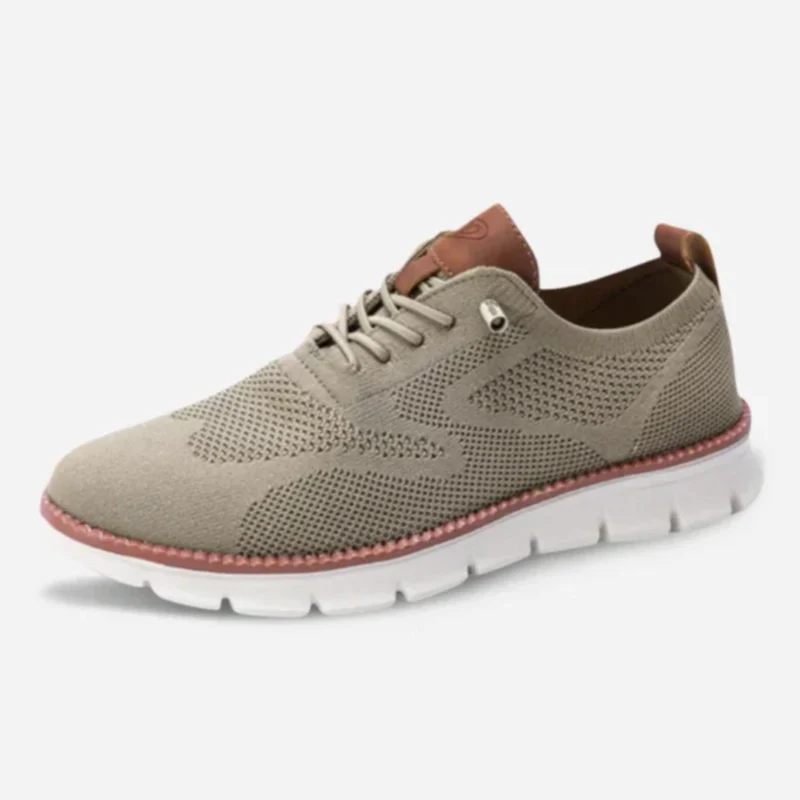
Every step you take matters—whether you’re exploring city streets, powering through your daily routine, or simply refusing to let foot discomfort slow you down. The CloudWalk – Ultra Comfortable Walking Shoes wraps your feet in therapeutic cushioning that turns pavement into clouds, so you can go farther, stay longer, and feel better doing it.
Your feet absorb force equal to 1.5 times your body weight with each step. This repetitive impact causes plantar fasciitis, metatarsalgia, and chronic heel pain. Blood pools in the lower extremities during prolonged standing. This leads to swelling, varicose veins, and fatigue.
The right footwear distributes pressure evenly across your foot. Proper shoes reduce stress on joints by 30-40%. They also improve posture and decrease back pain.
The Evolution of Comfort Footwear Technology
Shoe comfort technology began in the 1970s with basic foam insoles. Nike introduced air cushioning in 1979. This innovation changed how manufacturers approached shock absorption.
The 1990s brought gel cushioning systems from brands like ASICS. These materials absorbed impact better than foam alone. Engineers discovered that combining materials created superior results.
Modern comfort shoes use memory foam, polyurethane midsoles, and EVA (ethylene-vinyl acetate) compounds. Scientists now understand foot anatomy at a molecular level. They design shoes that support the three main arches: medial longitudinal, lateral longitudinal, and transverse.
Recent advances include 3D-printed midsoles customized to individual foot scans. Smart materials adjust firmness based on activity level. Carbon fiber plates provide propulsion while reducing energy loss.
Critical Features That Define Comfortable Standing Shoes
Arch Support Systems
Your foot has 26 bones, 33 joints, and over 100 muscles. The arch acts as a natural shock absorber. Arch support prevents the foot from collapsing inward (overpronation) or outward (supination).
Proper arch support features:
- Contoured footbeds that match your arch height
- Firm but flexible materials
- Support that extends from heel to midfoot
- Gradual elevation that doesn’t create pressure points
Flat feet require higher arch support. High arches need cushioning to fill the gap. Neutral arches benefit from moderate support.
Cushioning and Shock Absorption
Shock absorption protects your joints from repetitive impact. The heel strike generates 2-3 times your body weight in force. Quality cushioning materials include:
- Memory foam: Molds to foot shape, provides custom comfort
- Gel inserts: Absorbs high-impact forces, maintains shape
- EVA foam: Lightweight, resilient, cost-effective
- Polyurethane: Dense, durable, excellent energy return
- Air pockets: Responsive cushioning, reduces weight
Heel cushioning should measure 1-1.5 inches thick. Forefoot cushioning needs 0.5-0.75 inches. Too much cushioning creates instability. Too little fails to protect joints.
Midsole Construction and Materials
The midsole sits between the outsole and insole. This layer determines overall comfort and support. Premium midsoles use dual-density construction. Firmer foam on the medial side controls pronation. Softer foam on the lateral side provides cushioning.
Compression set resistance measures how well foam maintains its shape. High-quality EVA retains 80-90% of its original thickness after 500 miles. Cheap foam compresses 30-40% after 200 miles.
Outsole Design and Traction
The outsole contacts the ground. Rubber compounds provide durability and grip. Carbon rubber lasts longer but weighs more. Blown rubber offers better cushioning but wears faster.
Tread patterns affect stability on different surfaces. Deep lugs work best on uneven terrain. Flat patterns suit smooth floors. Hospital and restaurant workers need slip-resistant outsoles with ASTM F2913 certification.
Upper Materials and Breathability
Your feet produce 250ml of sweat daily. Breathable uppers prevent moisture buildup. This reduces blisters, odor, and fungal infections.
Material comparison:
| Material | Breathability | Durability | Weight | Water Resistance |
|---|---|---|---|---|
| Mesh | Excellent | Fair | Light | Poor |
| Leather | Good | Excellent | Heavy | Good |
| Synthetic | Very Good | Good | Light | Fair |
| Knit | Excellent | Fair | Very Light | Poor |
Mesh panels in high-heat areas improve airflow. Moisture-wicking linings pull sweat away from skin. Antimicrobial treatments prevent bacterial growth.
Top Shoe Categories for All-Day Standing
Athletic Walking Shoes
Walking shoes prioritize cushioning and flexibility. They feature:
- Generous toe boxes that prevent cramping
- Flexible forefoot for natural toe-off
- Moderate arch support
- Lightweight construction (8-11 ounces)
These shoes excel on hard surfaces like concrete and tile. The cushioning protects against impact fatigue. The flexibility prevents stiffness during long shifts.
Nursing and Healthcare Shoes
Medical professionals need shoes that meet specific requirements. Healthcare shoes provide:
- Fluid-resistant uppers that repel blood and chemicals
- Slip-resistant outsoles rated for wet surfaces
- Removable insoles for custom orthotics
- Easy-clean surfaces
- Closed-toe protection
Leading brands include Dansko, Alegria, and Skechers Work. These shoes undergo rigorous testing for hospital environments.
Professional Work Shoes
Office and retail workers need shoes that combine comfort with professional appearance. Work shoes feature:
- Polished leather or synthetic uppers
- Hidden comfort technology
- Dress shoe aesthetics
- All-day cushioning
- Neutral colors (black, brown, navy)
Many professional shoes now incorporate athletic shoe technology. They maintain formal appearance while providing athletic-level comfort.
Slip-On Clogs and Mules
Clogs offer easy on-off access. This benefits workers who change shoes frequently. Quality clogs include:
- Contoured footbeds with arch support
- Rocker soles that promote natural gait
- Secure heel cups that prevent slipping
- Adjustable straps for custom fit
Clogs work well for healthcare, food service, and retail. They provide excellent ventilation. Some professionals find the open-back design less stable than closed shoes.
Every step you take matters—whether you’re exploring city streets, powering through your daily routine, or simply refusing to let foot discomfort slow you down. The CloudWalk – Ultra Comfortable Walking Shoes wraps your feet in therapeutic cushioning that turns pavement into clouds, so you can go farther, stay longer, and feel better doing it.
How to Select the Perfect Shoe for Your Needs
Determine Your Foot Type
Identify your arch height and pronation pattern. Wet your foot and step on dark paper. The footprint reveals your arch:
- Flat feet: Complete footprint with no curve
- Normal arches: Moderate curve on inner edge
- High arches: Narrow connection between heel and forefoot
Watch your shoes wear patterns. Excessive wear on the inner edge indicates overpronation. Outer edge wear suggests supination.
Consider Your Work Environment
Different workplaces require specific shoe features:
Healthcare facilities: Slip resistance, fluid resistance, antimicrobial properties
Restaurants and kitchens: Oil-resistant outsoles, closed toes, easy cleaning
Retail stores: Professional appearance, cushioning for hard floors, durability
Warehouses: Steel toes, puncture resistance, ankle support
Offices: Dress code compliance, quiet soles, comfort for intermittent sitting
Measure Properly and Account for Swelling
Feet expand 5-10% during the day. This swelling increases with prolonged standing. Always measure feet in the afternoon or evening.
Stand while measuring. Weight-bearing reveals true foot length and width. Measure both feet. Most people have one foot slightly larger.
Leave 0.5 inches (thumb width) between your longest toe and shoe end. This space accommodates foot expansion and forward motion.
Width matters as much as length. Shoes too narrow cause bunions and nerve compression. Standard widths include:
- B: Narrow (women)
- D: Standard (men), Wide (women)
- 2E: Wide (men), Extra Wide (women)
- 4E: Extra Wide (men)
Break-In Period and Adjustment
New shoes require gradual introduction. Wear them 2-3 hours daily for the first week. Increase duration by 1-2 hours each week.
Pay attention to pressure points. Slight discomfort during break-in is normal. Sharp pain indicates poor fit. Blisters signal friction problems.
Use heel grips if the heel slips. Add metatarsal pads for forefoot pressure relief. Replace factory insoles with custom orthotics if needed.
Maintenance Tips for Extending Shoe Lifespan
Daily Care Routines
Remove shoes immediately after shifts. Allow them to air dry completely. Moisture trapped inside degrades materials faster.
Use shoe trees to maintain shape. Cedar models absorb moisture and odor. Plastic trees work for synthetic shoes.
Alternate between two pairs of shoes. This gives each pair 24 hours to dry and decompress. Rotation extends total lifespan by 50-75%.
Deep Cleaning Methods
Clean shoes every 1-2 weeks. Method varies by material:
Leather shoes: Wipe with damp cloth, apply leather conditioner monthly
Mesh shoes: Hand wash with mild soap, air dry away from heat
Synthetic shoes: Machine wash cold (if manufacturer allows), air dry
Slip-resistant outsoles: Scrub with stiff brush and degreaser
Remove insoles and wash separately. This prevents odor buildup. Replace insoles every 3-4 months for optimal cushioning.
Knowing When to Replace
Shoes lose effectiveness over time. Replace them when you notice:
- Cushioning compresses and doesn’t recover
- Tread wears smooth
- Upper materials crack or tear
- Foot pain returns despite proper fit
- Shoes exceed 500 miles or 6 months of heavy use
Worn shoes increase injury risk by 40%. The cost of replacement is less than medical treatment for preventable conditions.
Making Your Final Decision
The most comfortable shoe for standing all day combines proper fit, adequate support, and quality materials. No single shoe works for everyone. Your ideal shoe depends on foot type, work environment, and personal comfort preferences.
Start by identifying your arch type and pronation pattern. Choose shoes designed for your specific foot mechanics. Prioritize features that match your workplace demands. Always try shoes in person when possible. Walk around the store for at least 10 minutes.
Invest in quality footwear. Premium shoes cost $100-200 but last 2-3 times longer than budget options. They also provide superior comfort and injury prevention. Calculate cost per wear rather than initial price.
Consider purchasing from retailers with generous return policies. This allows testing shoes during actual work shifts. Many specialty stores offer 30-60 day comfort guarantees.
Your feet are your foundation. Proper footwear protects your health, improves productivity, and enhances quality of life. Take time to find shoes that truly support your needs. The investment pays dividends in comfort, performance, and long-term wellness.
Every step you take matters—whether you’re exploring city streets, powering through your daily routine, or simply refusing to let foot discomfort slow you down. The CloudWalk – Ultra Comfortable Walking Shoes wraps your feet in therapeutic cushioning that turns pavement into clouds, so you can go farther, stay longer, and feel better doing it.