
Blog
What Is the Most Comfortable Shoe for Work?

Understanding Work Shoe Comfort
The most comfortable work shoe combines proper arch support, cushioning technology, and materials that prevent foot fatigue during 8-12 hour shifts. Comfort depends on your job requirements, foot shape, and the surfaces you walk on daily.
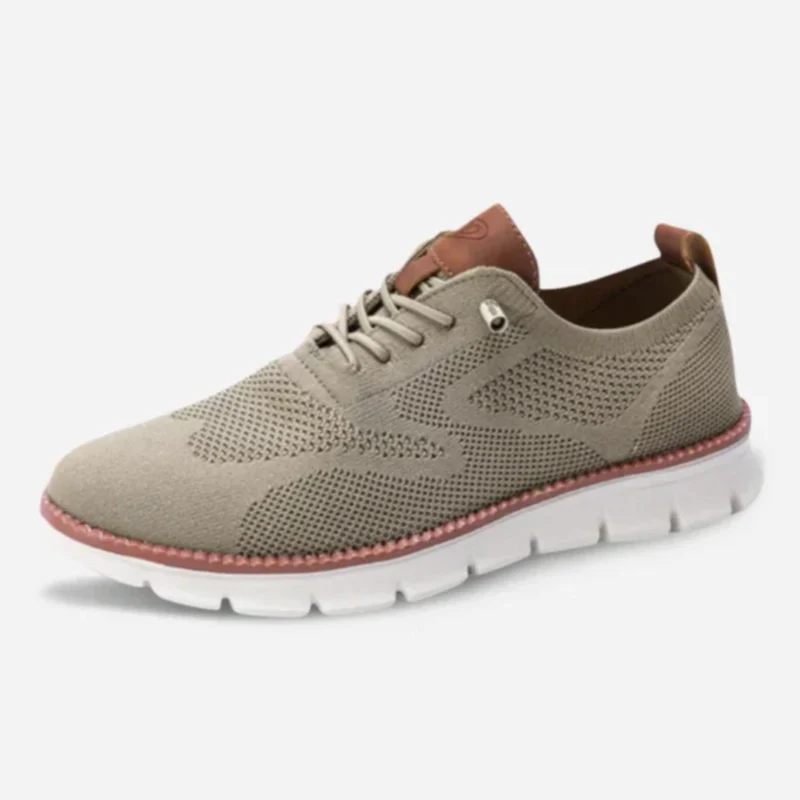
Every step you take matters—whether you’re exploring city streets, powering through your daily routine, or simply refusing to let foot discomfort slow you down. The CloudWalk – Ultra Comfortable Walking Shoes wraps your feet in therapeutic cushioning that turns pavement into clouds, so you can go farther, stay longer, and feel better doing it.
Work shoes must balance protection, support, and breathability. A comfortable shoe reduces stress on your feet, knees, and lower back. Poor footwear causes plantar fasciitis, heel pain, and joint problems that affect your productivity and health.
The Evolution of Work Footwear
Early Work Shoes (1800s-1950s)
Workers wore leather boots with minimal cushioning. Cobblers made shoes by hand using thick leather soles and basic stitching. These shoes offered durability but little comfort. Factory workers and laborers suffered foot problems after long shifts.
The Comfort Revolution (1960s-1990s)
Athletic shoe technology transformed work footwear. Companies added EVA foam midsoles and polyurethane inserts. Steel-toed boots incorporated cushioned insoles. Nurses and healthcare workers gained access to slip-resistant shoes with better arch support.
Modern Innovations (2000s-Present)
Today’s work shoes feature memory foam, gel cushioning, and ergonomic designs. Brands use breathable mesh, moisture-wicking linings, and antimicrobial treatments. 3D-printed insoles and custom orthotics provide personalized comfort solutions.
Key Comfort Features in Work Shoes
Arch Support Systems
Arch support prevents foot collapse and distributes weight evenly. Your arch type determines the support level you need:
- High arches require cushioned insoles with firm arch support
- Normal arches benefit from moderate support and flexibility
- Flat feet need motion control and stability features
Quality work shoes include contoured footbeds that match your arch profile. Some models offer removable insoles for custom orthotic insertion.
Cushioning Technology
Modern cushioning materials reduce impact stress:
- EVA foam: Lightweight and shock-absorbing
- Memory foam: Conforms to foot shape for personalized comfort
- Gel inserts: Target pressure points in heel and forefoot
- Polyurethane: Dense and durable for long-term support
- Air cushioning: Provides responsive bounce and impact protection
The midsole and insole work together to absorb shock. Premium work shoes layer multiple cushioning types for maximum comfort.
Sole Construction
The outsole affects comfort on different surfaces. Rubber outsoles provide slip resistance and durability. Polyurethane soles offer superior cushioning but wear faster. Composite materials balance grip, flexibility, and longevity.
Sole thickness matters. Thin soles provide ground feel but less protection. Thick soles cushion impact but reduce stability. Most comfortable work shoes use 15-25mm midsole thickness.
Upper Materials
Breathable uppers prevent moisture buildup and blisters:
- Leather: Durable and molds to foot shape over time
- Mesh panels: Increase airflow and reduce weight
- Synthetic fabrics: Quick-drying and easy to clean
- Knit uppers: Flexible and conform to foot contours
Full-grain leather provides the best durability. Split leather costs less but wears faster. Synthetic uppers work well in wet environments.
Weight Distribution
Heavy shoes cause leg fatigue. Comfortable work shoes weigh 10-16 ounces per shoe for men and 8-12 ounces for women. Lightweight construction reduces energy expenditure during long shifts.
Work Shoe Categories and Comfort Rankings
| Shoe Type | Best For | Comfort Score | Key Feature |
|---|---|---|---|
| Athletic Work Shoes | Warehouse, Retail | 9/10 | Maximum cushioning |
| Slip-On Clogs | Healthcare, Food Service | 8/10 | Easy on/off access |
| Safety Toe Boots | Construction, Manufacturing | 6/10 | Protective steel/composite toe |
| Dress Shoes | Office, Professional | 5/10 | Professional appearance |
| Slip-Resistant Sneakers | Restaurant, Hospitality | 8/10 | Grip and flexibility |
Selecting Shoes for Specific Work Environments
Standing Jobs (Retail, Manufacturing)
Standing for 8+ hours requires maximum cushioning and arch support. Look for shoes with:
- Thick EVA or polyurethane midsoles
- Contoured footbeds with metatarsal pads
- Rocker sole design for natural foot motion
- Wide toe box to prevent cramping
Replace these shoes every 6 months. Compression reduces cushioning effectiveness over time.
Walking Jobs (Nursing, Warehouse)
Walking 10,000+ steps daily demands flexibility and shock absorption. Priority features include:
- Lightweight construction under 12 ounces
- Flexible forefoot for natural toe-off
- Heel cushioning with 10-15mm drop
- Breathable mesh panels
Choose shoes with slip-resistant outsoles rated for wet surfaces. Healthcare workers need closed-toe designs with fluid-resistant uppers.
Heavy Labor (Construction, Landscaping)
Physical jobs require protective features without sacrificing comfort:
- Composite safety toes (lighter than steel)
- Puncture-resistant midsole plates
- Ankle support in boot designs
- Oil-resistant rubber outsoles
Break in safety boots gradually. Wear them 2-3 hours daily before full shifts. Add aftermarket insoles for extra cushioning.
Office Environments
Professional settings allow dress shoes with comfort features:
- Leather uppers with padded collars
- Hidden cushioning in midsoles
- Dressy designs with athletic comfort technology
- Slip-on or lace options for convenience
Modern dress shoes incorporate athletic shoe technology. Premium brands offer gel heel inserts and memory foam footbeds in traditional styles.
Every step you take matters—whether you’re exploring city streets, powering through your daily routine, or simply refusing to let foot discomfort slow you down. The CloudWalk – Ultra Comfortable Walking Shoes wraps your feet in therapeutic cushioning that turns pavement into clouds, so you can go farther, stay longer, and feel better doing it.
Sizing and Fit Guidelines
Measuring Your Feet
Feet change size over time. Measure both feet while standing:
- Place your heel against a wall
- Mark your longest toe position
- Measure the distance in inches or centimeters
- Add 0.5 inches for proper toe room
- Check width at the ball of your foot
Most people have one foot slightly larger. Buy shoes for the larger foot.
Width Considerations
Standard widths include narrow (B), medium (D for men, B for women), wide (2E), and extra-wide (4E). Proper width prevents:
- Bunions from toe compression
- Blisters on foot sides
- Numbness from restricted blood flow
- Balance problems from instability
Wide feet need shoes with spacious toe boxes. Narrow feet require snug heels to prevent slipping.
Time of Day Matters
Feet swell during the day. Shop for work shoes in the afternoon or evening. Your feet expand 5-10% after standing or walking. Morning measurements lead to tight shoes by shift end.
Breaking In New Work Shoes
New shoes need adjustment time. Follow this schedule:
Week 1: Wear shoes 2-3 hours daily at home Week 2: Extend to 4-6 hours with breaks Week 3: Full work shifts with backup shoes available Week 4: Regular use with monitoring for discomfort
Leather shoes require more break-in time than synthetic materials. Apply leather conditioner to speed softening. Use shoe stretchers for tight spots.
Maintenance for Long-Term Comfort
Daily Care
- Remove insoles to air dry overnight
- Wipe dirt and debris from outsoles
- Use shoe trees to maintain shape
- Rotate between two pairs to extend life
Weekly Tasks
- Clean uppers with appropriate cleaner (leather conditioner or fabric spray)
- Check for wear patterns on soles
- Inspect stitching and glue seams
- Replace worn laces
Monthly Maintenance
- Deep clean with warm water and mild soap
- Apply waterproofing spray to leather or fabric
- Examine insoles for compression
- Check heel counters for collapse
Replace shoes when:
- Outsoles show uneven wear exceeding 3mm
- Midsole cushioning feels flat
- Upper materials develop holes or tears
- Arch support loses structure
Enhancing Comfort with Accessories
Aftermarket Insoles
Custom or over-the-counter insoles improve comfort:
- Orthotic insoles: Correct biomechanical issues
- Gel insoles: Add targeted cushioning
- Memory foam inserts: Provide custom fit
- Arch support insoles: Prevent foot collapse
Replace factory insoles if they lack adequate support. Premium insoles cost $30-60 but dramatically improve comfort.
Compression Socks
Compression socks improve circulation during long shifts. They reduce swelling and prevent blood pooling in feet and ankles. Choose 15-20 mmHg compression for work use.
Foot Care Products
- Anti-friction balms prevent blisters
- Toe separators reduce overlap pressure
- Metatarsal pads cushion ball of foot
- Heel cups provide extra cushioning
Top Comfort Technologies by Brand
Different manufacturers use proprietary systems:
- Air cushioning: Visible air pockets in heel and forefoot
- Bounce technology: Energy-return foam compounds
- CloudTec: Hollow cushioning pods
- Fresh Foam: Single-piece midsole construction
- React foam: Lightweight and responsive cushioning
Research brand-specific technologies before purchasing. Each system addresses different comfort needs.
Medical Considerations
Plantar Fasciitis
This condition causes heel pain from tissue inflammation. Comfortable work shoes for plantar fasciitis include:
- Deep heel cups
- Firm arch support
- Cushioned heel pads
- Slight heel elevation (10-12mm)
Diabetes
Diabetic workers need shoes that prevent injury:
- Seamless interiors
- Extra depth for swelling
- Soft, padded uppers
- Non-binding designs
Check with your podiatrist before selecting work shoes. Medical conditions require specialized footwear features.
Bunions and Hammer Toes
Foot deformities need accommodation:
- Wide toe boxes
- Stretch materials
- No pressure points
- Adjustable closures
Avoid pointed toes and narrow designs. Look for shoes marked as bunion-friendly or extra depth.
Making Your Final Selection
Follow these steps to find your most comfortable work shoe:
- Identify your work requirements: Safety features, slip resistance, dress code
- Assess your foot type: Arch height, width, any medical conditions
- Set your budget: Quality work shoes cost $80-150
- Try multiple brands: Comfort varies by manufacturer
- Test in-store: Walk for 10-15 minutes before buying
- Check return policies: Keep options for exchanges
- Monitor during first week: Address issues early
The most comfortable work shoe balances your specific needs with proven comfort technology. Invest in quality footwear that supports your feet throughout long work days. Your feet carry you through your career—proper shoes protect your long-term health and daily comfort.
Every step you take matters—whether you’re exploring city streets, powering through your daily routine, or simply refusing to let foot discomfort slow you down. The CloudWalk – Ultra Comfortable Walking Shoes wraps your feet in therapeutic cushioning that turns pavement into clouds, so you can go farther, stay longer, and feel better doing it.