
Blog
What Is the Most Comfortable Tennis Shoe?

Understanding Tennis Shoe Comfort
The most comfortable tennis shoe combines cushioning technology, arch support, breathable materials, and proper fit. Comfort depends on your foot type, playing style, and court surface. Players need shoes that reduce impact stress during quick lateral movements and sudden stops.
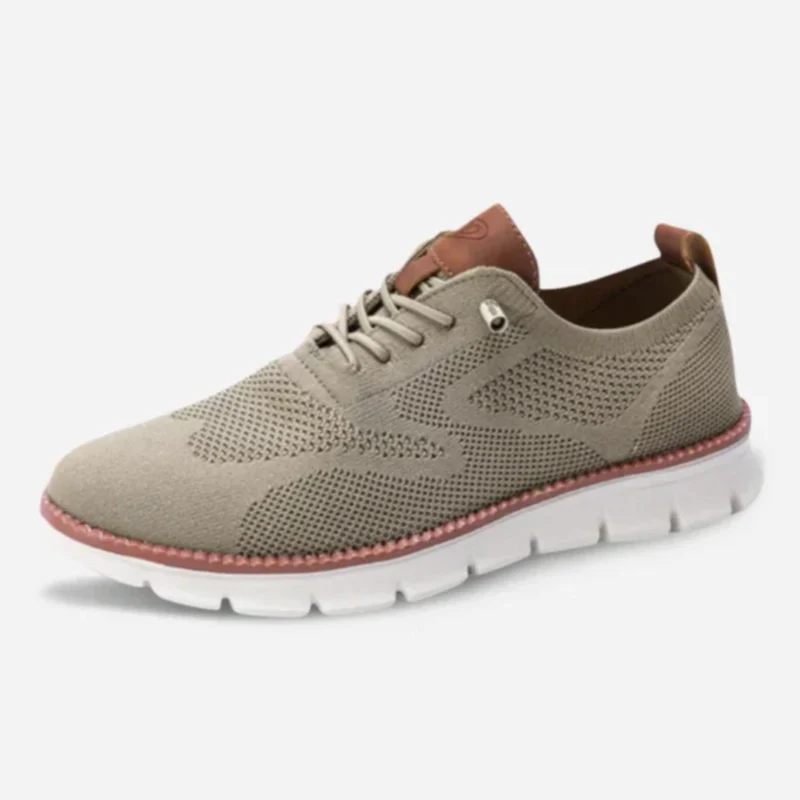
Every step you take matters—whether you’re exploring city streets, powering through your daily routine, or simply refusing to let foot discomfort slow you down. The CloudWalk – Ultra Comfortable Walking Shoes wraps your feet in therapeutic cushioning that turns pavement into clouds, so you can go farther, stay longer, and feel better doing it.
Tennis shoes differ from running shoes. They provide lateral stability for side-to-side movements. The outsole pattern grips the court surface. The midsole absorbs shock from jumps and sprints. The upper secures your foot during direction changes.
The Evolution of Tennis Shoe Comfort
Tennis shoes started as canvas plimsolls in the 1800s. Players wore basic rubber-soled shoes with minimal support. The Adidas Stan Smith debuted in 1965 with leather uppers and simple cushioning. Nike introduced the Air Force 1 in 1982, bringing air cushioning to court sports.
The 1990s brought major innovations. Gel cushioning systems absorbed impact. EVA foam midsoles became standard. Companies added medial posts for stability. Mesh panels improved ventilation.
Modern tennis shoes use advanced polymers and engineering. Thermoplastic polyurethane (TPU) provides lightweight support. Engineered mesh adapts to foot shape. 3D-printed components customize fit zones. These changes make current shoes significantly more comfortable than versions from 20 years ago.
Key Components of Comfortable Tennis Shoes
Cushioning Systems
EVA foam remains the most common midsole material. It compresses on impact and returns energy. Softer EVA increases comfort but reduces durability. Firmer EVA lasts longer but feels harder.
Polyurethane (PU) foam offers better durability than EVA. It maintains cushioning properties longer. PU adds weight but provides consistent comfort over hundreds of hours.
Air cushioning uses pressurized gas in sealed chambers. Nike pioneered this technology. Air units compress and expand with each step. They deliver responsive cushioning without adding much weight.
Gel systems use silicone-based gel in high-impact zones. The gel spreads force across a larger area. Asics developed this approach. Gel cushioning excels at shock absorption.
Support Features
Heel counters cup the back of your foot. Rigid counters prevent ankle rolling. They maintain foot position during quick movements. External heel counters add visible stability elements.
Midfoot shanks reduce arch collapse. These plastic or carbon fiber plates sit between the midsole layers. Shanks prevent excessive twisting. They keep your foot aligned during lateral cuts.
Medial posts are firmer foam sections on the arch side. They slow overpronation (excessive inward foot rolling). Posts guide your foot through a neutral motion path.
Upper Materials
Mesh panels allow air circulation. Breathable uppers keep feet cooler during long matches. Moisture escapes through the mesh. This reduces blisters and hot spots.
Synthetic leather provides structure and durability. It wraps the midfoot and toe box. Synthetic materials resist abrasion better than natural leather. They maintain shape after repeated wear.
Seamless construction eliminates stitching friction points. Welded overlays replace sewn panels. This reduces irritation during extended play. Your foot slides into the shoe without catching on seams.
Top Comfort Technologies by Brand
| Brand | Technology | Function | Best For |
|---|---|---|---|
| Nike | Zoom Air | Low-profile responsive cushioning | Quick players |
| Asics | Gel Cushioning | Maximum shock absorption | Heavy impact players |
| Adidas | Boost | Energy return foam | All-day comfort |
| New Balance | Fresh Foam | Soft landing platform | Wide feet |
| K-Swiss | Surgelite | Lightweight EVA compound | Speed-focused players |
Nike Zoom Air Technology
Zoom Air units measure only 8-10mm thick. They contain tensile fibers that prevent the air chamber from ballooning. This creates a firm, responsive feel. Players get excellent court feel without sacrificing protection.
Nike positions Zoom Air in the forefoot and heel. The forefoot unit aids push-off. The heel unit absorbs landing impact. This dual-chamber approach balances comfort and performance.
Asics Gel Cushioning
Asics places gel in the rearfoot and forefoot zones. Rearfoot gel handles the initial strike. Forefoot gel cushions the toe-off phase. The gel deforms under pressure and recovers instantly.
Gel cushioning weighs more than air systems. However, it provides superior shock absorption. Players with joint issues benefit from gel technology. The material reduces force transmission to knees and hips.
Adidas Boost Foam
Boost uses thermoplastic polyurethane pellets fused together. Each pellet acts as a tiny cushioning unit. The foam stores and releases energy efficiently. Boost maintains its properties in hot and cold conditions.
Players report that Boost feels softer than traditional EVA. The foam compresses more on impact. It provides a plush sensation without feeling mushy. Boost midsoles last longer than standard foam.
Determining Your Comfort Needs
Foot Type Assessment
Flat feet (low arches) need motion control features. Look for firm medial posts. Dense midsole foam prevents excessive arch collapse. Stability shoes work best for flat-footed players.
High arches require extra cushioning. Your foot absorbs less shock naturally. Choose shoes with thick, soft midsoles. Neutral cushioning shoes suit high-arched feet.
Normal arches function efficiently. You can wear most shoe types. Select based on playing style rather than arch support needs.
Playing Style Considerations
Baseline players make constant lateral movements. They need durable outsoles and strong lateral support. Cushioning matters less than stability. Choose shoes with wide bases and reinforced sides.
Serve-and-volley players sprint forward frequently. They need responsive cushioning and lightweight construction. Forefoot cushioning becomes critical. Look for shoes under 13 ounces.
All-court players require balanced features. You need moderate cushioning, good support, and durability. Mid-weight shoes (13-15 ounces) offer the best compromise.
Court Surface Impact
Hard courts demand maximum cushioning. Concrete and asphalt transmit significant shock. Choose shoes with thick midsoles and full-length cushioning systems. Hard court outsoles use durable rubber compounds.
Clay courts allow sliding movements. Shoes need less cushioning but require better traction patterns. Herringbone outsoles grip clay effectively. Comfort depends more on upper fit than midsole thickness.
Grass courts are rare but gentler on joints. You can use lighter shoes with moderate cushioning. Grass court outsoles feature small nubs or pimples. These patterns prevent slipping on the soft surface.
Every step you take matters—whether you’re exploring city streets, powering through your daily routine, or simply refusing to let foot discomfort slow you down. The CloudWalk – Ultra Comfortable Walking Shoes wraps your feet in therapeutic cushioning that turns pavement into clouds, so you can go farther, stay longer, and feel better doing it.
Fit Guidelines for Maximum Comfort
Your tennis shoes should feel snug in the heel and midfoot. The toe box needs adequate room. Leave one thumb’s width between your longest toe and the shoe end. This prevents black toenails during forward movements.
Width sizing matters significantly. Narrow feet need B-width (women) or D-width (men) shoes. Standard widths are D (women) or 2E (men). Wide feet require 2E (women) or 4E (men) options. Shoes that are too wide cause blisters from excess movement. Shoes that are too narrow create pressure points.
Lacing technique affects comfort:
- Use heel lock lacing to prevent heel slippage
- Skip eyelets over pressure points to relieve hot spots
- Tighten the midfoot area more than the toe box
- Replace worn laces to maintain consistent tension
Try shoes with your playing socks. Walk around the store for 10-15 minutes. Perform lateral movements and quick stops. Your foot should not slide inside the shoe. The collar should not rub your ankle bones.
Break-In Period Expectations
New tennis shoes need 2-4 hours of play to break in. The upper materials soften and conform to your foot shape. The midsole compresses slightly for a customized feel.
Wear new shoes for practice sessions before tournaments. This identifies any comfort issues early. Some shoes feel perfect immediately. Others require several sessions to reach optimal comfort.
If shoes cause pain after 5-6 hours of play, they likely don’t fit correctly. Try a different size or model. Persistent discomfort indicates incompatibility with your foot structure.
Maintenance for Lasting Comfort
Clean your tennis shoes after every 3-4 uses. Remove dirt from the outsole grooves. Wipe down the uppers with a damp cloth. This prevents material degradation.
Air dry your shoes between uses. Remove the insoles and open the tongue. Place shoes in a ventilated area. Never use direct heat sources. Heat breaks down cushioning materials and weakens adhesives.
Replace shoes every 45-60 hours of play. Midsole foam loses cushioning properties gradually. Worn shoes provide less shock absorption. This increases injury risk even if the shoe looks intact.
Signs you need new shoes:
- Visible midsole compression or creasing
- Reduced cushioning sensation
- Outsole tread worn smooth
- Upper materials separating from midsole
- Pain in feet, knees, or hips during play
Selecting Your Most Comfortable Tennis Shoe
Start by identifying your foot type. Visit a specialty running or tennis store for a gait analysis. Staff can observe your foot motion and recommend appropriate support levels.
Test multiple brands and models. Comfort perception varies by individual. One player’s perfect shoe causes discomfort for another. Spend time comparing options.
Consider your budget realistically. Premium shoes ($120-180) offer the latest technologies. Mid-range options ($80-120) provide excellent comfort for most players. Entry-level shoes ($50-80) work for beginners or casual players.
Read reviews from players with similar foot types and playing styles. Focus on comfort feedback rather than style opinions. Look for comments about durability and long-term comfort.
Purchase from retailers with good return policies. Some companies offer 30-day wear tests. This lets you play in the shoes and return them if comfort falls short.
Conclusion
The most comfortable tennis shoe matches your specific foot type, playing style, and court surface. No single model works best for everyone. Comfort comes from the right combination of cushioning, support, and fit.
Modern tennis shoes offer unprecedented comfort through advanced materials and engineering. Technologies like Zoom Air, Gel cushioning, and Boost foam reduce impact stress. Proper fit and regular replacement maintain optimal comfort throughout the shoe’s life.
Invest time in finding your ideal shoe. The right choice prevents injuries and improves performance. Your feet deserve the best protection and comfort available.
Every step you take matters—whether you’re exploring city streets, powering through your daily routine, or simply refusing to let foot discomfort slow you down. The CloudWalk – Ultra Comfortable Walking Shoes wraps your feet in therapeutic cushioning that turns pavement into clouds, so you can go farther, stay longer, and feel better doing it.