
Blog
What Is the Most Comfortable Walking Shoe for Wide Feet?

Understanding Wide Feet and Footwear Needs
Wide feet require shoes with extra room across the forefoot and toe box. Standard width shoes compress the foot, which leads to pain, blisters, and long-term problems like bunions or hammertoes.
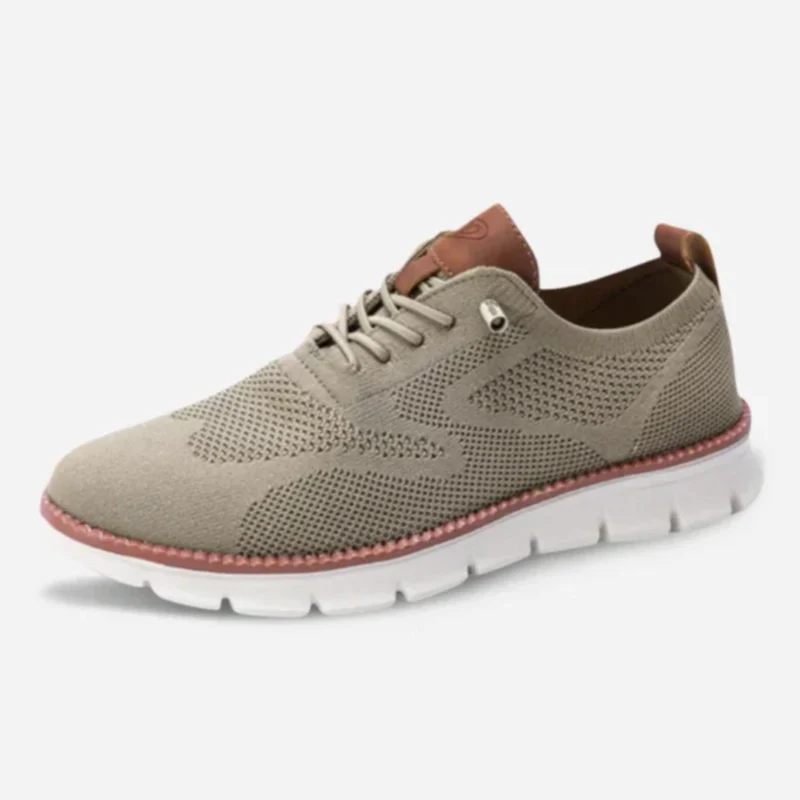
Every step you take matters—whether you’re exploring city streets, powering through your daily routine, or simply refusing to let foot discomfort slow you down. The CloudWalk – Ultra Comfortable Walking Shoes wraps your feet in therapeutic cushioning that turns pavement into clouds, so you can go farther, stay longer, and feel better doing it.
Shoe widths follow a letter system. D width fits standard men’s feet. B width fits standard women’s feet. Wide feet need 2E (men) or D (women) widths. Extra-wide feet require 4E or wider sizes.
The ball girth measurement determines width. This measurement spans the widest part of your foot, typically across the metatarsal heads. A proper fit allows your foot to spread naturally during walking without pressure on the sides.
History of Wide-Width Footwear
Shoe manufacturers historically produced only standard widths. This practice stemmed from mass production methods that prioritized efficiency over fit diversity.
The 1970s brought significant change. Medical research linked poorly fitting shoes to foot disorders. Podiatrists advocated for width options. Major brands began offering wide sizes in athletic footwear.
New Balance pioneered the multi-width approach in 1976. The brand offered running shoes in multiple width options. This innovation addressed a gap in the market. Other companies followed gradually.
Modern manufacturing technology enables cost-effective production of varied widths. Digital foot scanning helps consumers identify their exact measurements. Online retailers stock extensive width ranges that physical stores cannot match.
Key Features of Comfortable Wide Walking Shoes
Wide Toe Box Design
The toe box must provide adequate space for toe splay. Your toes should move freely without touching the shoe’s front or sides. A rocker toe design reduces pressure during the toe-off phase of walking.
Rounded or square toe boxes work better than pointed styles. The shape prevents compression of the pinky toe and big toe joint.
Cushioning Systems
Quality cushioning absorbs impact forces during heel strike. Common cushioning technologies include:
- EVA foam: Lightweight and shock-absorbent material used in midsoles
- Memory foam: Conforms to foot shape for customized comfort
- Gel inserts: Provide targeted cushioning in high-impact zones
- Air cushioning: Encapsulated air units compress and rebound with each step
Multiple-density midsoles combine firm and soft foams. The firm section provides stability. The soft section delivers comfort.
Arch Support Architecture
Proper arch support prevents overpronation and reduces fatigue. Three arch types require different support levels:
- Low arches (flat feet): Need motion control and firm medial support
- Normal arches: Benefit from moderate support and stability features
- High arches: Require extra cushioning and flexibility
Built-in arch support eliminates the need for separate orthotics in many cases. Removable insoles allow custom orthotic insertion if needed.
Upper Material Construction
Breathable uppers prevent moisture buildup and reduce friction. Mesh panels increase airflow. Synthetic materials dry quickly and maintain shape.
Stretch fabrics accommodate foot swelling during long walks. Your feet expand throughout the day. Rigid materials restrict this natural expansion.
Seamless interior construction eliminates rubbing points. Traditional stitched seams create pressure spots on wide feet.
Outsole Traction and Flexibility
Rubber outsoles provide grip on various surfaces. Deep lugs increase traction on uneven terrain. Flat patterns work better on pavement.
Flex grooves in the forefoot allow natural foot motion. The shoe should bend at the ball of the foot, not the arch. This flexibility matches your foot’s biomechanics.
Top Walking Shoe Categories for Wide Feet
Athletic Walking Shoes
These shoes prioritize performance and support. Features include responsive cushioning, stability systems, and durable construction.
Brooks, ASICS, and New Balance offer extensive wide-width selections. Many models come in 2E, 4E, and 6E widths.
Comfort Walking Shoes
Comfort-focused designs emphasize cushioning over performance. These shoes suit casual walking and everyday wear.
Brands like Skechers and Propet specialize in comfort features. Generous toe boxes and soft materials define this category.
Trail Walking Shoes
Trail shoes handle rough terrain and provide weather protection. Features include aggressive outsoles, reinforced uppers, and water resistance.
Merrell and Keen produce trail shoes in wide widths. The rugged construction accommodates feet that need extra room.
Casual Walking Shoes
These versatile shoes blend comfort with style. You can wear them for walking and daily activities.
Clarks and ECCO manufacture casual shoes with wide options. The designs look appropriate for various settings while maintaining comfort features.
Comparison of Leading Wide Walking Shoe Features
| Feature | Athletic Shoes | Comfort Shoes | Trail Shoes | Casual Shoes |
|---|---|---|---|---|
| Cushioning Level | High | Very High | Moderate | Moderate |
| Arch Support | Structured | Moderate | Structured | Light |
| Weight | Medium | Light | Heavy | Medium |
| Durability | High | Medium | Very High | Medium |
| Price Range | $80-$150 | $60-$100 | $90-$160 | $70-$130 |
| Width Options | 2E-6E | 2E-4E | 2E-4E | 2E-3E |
Technical Specifications That Matter
Heel-to-Toe Drop
The heel-to-toe drop measures the height difference between the heel and forefoot. Common drops range from 0mm (zero drop) to 12mm.
Lower drops (0-4mm) promote natural foot positioning. Higher drops (8-12mm) reduce Achilles tendon strain. Most comfortable walking shoes feature 6-10mm drops.
Midsole Stack Height
Stack height refers to the cushioning thickness between your foot and the ground. Higher stacks provide more cushioning but reduce ground feel.
Optimal stack heights for walking range from 25-35mm. This range balances comfort and stability.
Shoe Weight
Lighter shoes reduce fatigue during extended walks. Walking shoes typically weigh 9-12 ounces per shoe for men’s sizes and 7-10 ounces for women’s sizes.
Wide-width versions add minimal extra weight, usually less than 0.5 ounces.
Upper Height and Ankle Support
Low-cut uppers allow ankle mobility and reduce weight. Mid-cut designs provide lateral ankle support for uneven surfaces.
Most walking shoes use low-cut construction. This design suits paved surfaces and maintained trails.
Every step you take matters—whether you’re exploring city streets, powering through your daily routine, or simply refusing to let foot discomfort slow you down. The CloudWalk – Ultra Comfortable Walking Shoes wraps your feet in therapeutic cushioning that turns pavement into clouds, so you can go farther, stay longer, and feel better doing it.
Benefits of Properly Fitted Wide Walking Shoes
Pain Reduction
Correct width eliminates pressure points that cause pain. You avoid blisters, calluses, and hot spots. Your feet remain comfortable for hours.
Studies show that proper shoe width reduces forefoot pain by up to 70%. Plantar fasciitis symptoms decrease with appropriate width and support.
Improved Walking Efficiency
Your gait becomes more natural in proper-width shoes. Energy expenditure decreases. You can walk longer distances without fatigue.
Research indicates that restrictive shoes increase metabolic cost by 5-8%. Wide shoes allow efficient biomechanics.
Injury Prevention
Adequate width prevents common injuries. Bunions develop from chronic toe compression. Morton’s neuroma results from nerve compression between metatarsals.
Proper shoes eliminate these risk factors. Your foot functions as designed.
Enhanced Stability
Wide shoes provide a broader base of support. This stability reduces fall risk, especially on uneven surfaces.
The midfoot stability platform works more effectively when the shoe matches your foot width.
How to Select Your Ideal Wide Walking Shoe
Step 1: Measure Your Feet
Measure both feet at the end of the day. Feet swell during activity. Use a Brannock device for accurate length and width measurements.
Stand while measuring. Weight-bearing changes foot dimensions. Many people have differently sized feet. Buy for the larger foot.
Step 2: Identify Your Arch Type
Perform the wet foot test. Wet your foot and step on paper. The imprint reveals your arch type.
A complete imprint indicates flat feet. A narrow band connecting heel and ball shows high arches. A moderate band represents normal arches.
Step 3: Consider Your Walking Surfaces
Pavement requires less aggressive tread. Trails need deeper lugs and reinforced construction.
Match shoe features to your primary walking environment. Multi-surface shoes compromise on all terrains.
Step 4: Test Multiple Brands
Brands use different lasts (foot molds). A 2E width varies between manufacturers.
New Balance tends to run true to size. Brooks fits slightly narrow. ASICS offers generous toe boxes.
Try at least three brands in your measured width. Walk around the store. Your feet reveal the best fit.
Step 5: Check Key Fit Points
Verify these fit criteria:
- Thumb’s width (half-inch) between your longest toe and shoe end
- No pressure on bunions or pinky toes
- Heel stays in place without slipping
- Arch support aligns with your arch
- No rubbing or hot spots during walking
Walk on hard surfaces and inclines if possible. Fit issues appear during movement.
Maintenance for Longevity
Cleaning Methods
Remove insoles and laces before cleaning. Use mild soap and cool water. Scrub with a soft brush.
Air dry away from direct heat. Never use washing machines or dryers. High heat degrades adhesives and materials.
Rotation Strategy
Alternate between two pairs of walking shoes. This practice extends shoe life by 50%.
Cushioning materials need 24-48 hours to recover between uses. Rotation allows complete recovery.
Replacement Timeline
Walking shoes last 300-500 miles. Track your mileage or replace every 6-8 months with regular use.
Inspect the outsole for wear. Compressed midsole foam loses cushioning properties. Replace shoes when support diminishes.
Storage Practices
Store shoes in a cool, dry location. Avoid hot cars or damp basements.
Use shoe trees to maintain shape. Cedar trees absorb moisture and odors.
Common Wide Foot Walking Problems and Solutions
Overpronation Issues
Wide feet often overpronate. The foot rolls inward excessively during walking.
Motion control shoes limit this movement. Firm medial posts and stability features correct overpronation.
Toe Box Crowding
Even wide shoes can cramp toes if the toe box shape is wrong.
Choose shoes with rounded or square toe boxes. Avoid tapered designs that compress toes.
Heel Slippage
Wide forefeet sometimes pair with narrow heels. Standard wide shoes slip at the heel.
Lace-locking techniques secure the heel. Some brands offer combination widths (wide forefoot, standard heel).
Pressure Points
Seams and overlays create pressure on wide feet.
Seamless interiors and minimal overlays eliminate pressure points. Stretch materials adapt to foot shape.
The Most Comfortable Walking Shoe Features Summary
The most comfortable walking shoe for wide feet combines several critical elements. Adequate width across the forefoot prevents compression. Quality cushioning absorbs shock. Proper arch support maintains foot alignment. Breathable materials regulate temperature.
Technical specifications matter. A 6-10mm heel drop suits most walkers. Stack heights of 25-35mm balance comfort and stability. Lightweight construction reduces fatigue.
Your specific needs determine the best choice. Athletic shoes serve performance-focused walkers. Comfort shoes prioritize cushioning for casual use. Trail shoes handle rough terrain. Casual shoes offer versatility.
Proper fit verification ensures comfort. Measure your feet accurately. Test shoes on multiple surfaces. Check all critical fit points before purchasing.
Quality wide walking shoes improve your walking experience significantly. Your feet function properly. Pain decreases. Efficiency increases. You walk farther and more comfortably.
Every step you take matters—whether you’re exploring city streets, powering through your daily routine, or simply refusing to let foot discomfort slow you down. The CloudWalk – Ultra Comfortable Walking Shoes wraps your feet in therapeutic cushioning that turns pavement into clouds, so you can go farther, stay longer, and feel better doing it.