
Blog
Where Are Comfort Wear Shoes Made?

Understanding Comfort Wear Shoe Manufacturing Origins
Comfort wear shoes come from factories across multiple continents. Most major comfort footwear brands manufacture their products in Asia, Europe, and North America. The location depends on the brand’s business model, price point, and quality standards.
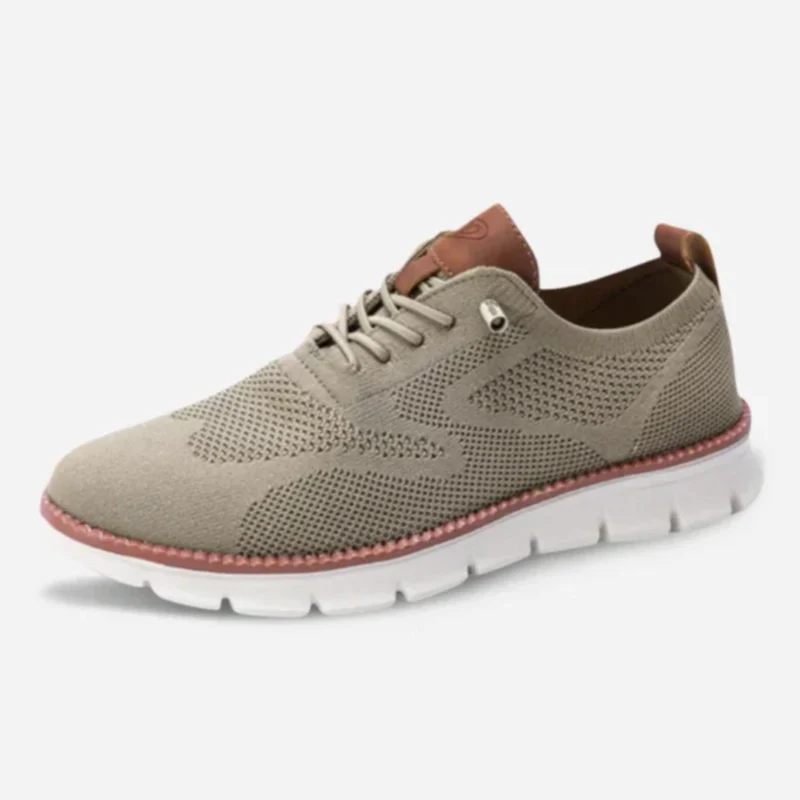
Every step you take matters—whether you’re exploring city streets, powering through your daily routine, or simply refusing to let foot discomfort slow you down. The CloudWalk – Ultra Comfortable Walking Shoes wraps your feet in therapeutic cushioning that turns pavement into clouds, so you can go farther, stay longer, and feel better doing it.
China produces the largest volume of comfort shoes globally. Factories in Guangdong, Fujian, and Zhejiang provinces handle millions of pairs annually. These facilities offer cost-effective production with established supply chains for materials like EVA foam, memory foam, and breathable mesh.
Vietnam has emerged as a major manufacturing hub. Brands shifted production here for lower labor costs and favorable trade agreements. Vietnamese factories excel at producing athletic-style comfort shoes with advanced cushioning systems.
India manufactures comfort footwear primarily for domestic consumption and export to nearby markets. Indian facilities specialize in leather comfort shoes and sandals. The country’s leather tanning industry supports this production.
Portugal and Italy produce premium comfort shoes. European manufacturers focus on quality craftsmanship and sustainable materials. These shoes carry higher price tags but offer superior construction and materials.
United States and Mexico host factories that serve the North American market. Some brands maintain domestic production to reduce shipping times and support local economies.
History of Comfort Footwear Manufacturing
The comfort shoe industry began in the early 1900s. Dr. William Mathias Scholl founded the Scholl company in 1904 in Chicago. He created orthopedic inserts and comfortable footwear for people with foot problems. His innovations established the foundation for modern comfort shoes.
German shoemakers developed the contoured footbed in the 1960s. Birkenstock popularized this design, which shaped comfort footwear standards worldwide. The company maintained German production facilities, setting a precedent for quality manufacturing.
Athletic shoe companies entered the comfort market in the 1980s. Nike, Adidas, and Reebok applied sports shoe technology to everyday footwear. They established Asian manufacturing networks that still dominate production today.
The 1990s brought memory foam technology from NASA research into consumer footwear. Brands like Skechers built entire product lines around this cushioning material. Manufacturing shifted heavily to China during this period for cost efficiency.
The 2010s introduced direct-to-consumer brands like Allbirds and Rothy’s. These companies emphasize transparent manufacturing practices and sustainable materials. They often partner with specific factories and publicize their production locations.
Major Manufacturing Regions and Their Specialties
Asian Production Centers
China remains the dominant producer:
- Handles 60-70% of global footwear production
- Specializes in synthetic materials and rubber soles
- Offers complete supply chains from raw materials to finished products
- Provides competitive pricing for mass-market brands
- Houses factories with advanced automation technology
Vietnam focuses on:
- Athletic and casual comfort shoes
- Knit upper construction
- Phylon midsoles and rubber outsoles
- Production for Nike, Adidas, and Skechers
- Growing capacity for sustainable materials
Indonesia produces:
- Budget-friendly comfort footwear
- Sandals and slip-on styles
- Basic cushioning systems
- Large-volume orders for discount retailers
European Manufacturing Excellence
Portugal excels at:
- Premium leather comfort shoes
- Traditional Goodyear welt construction
- Small-batch production runs
- Sustainable tanning processes
- Collaboration with luxury comfort brands
Italy specializes in:
- High-end comfort dress shoes
- Bologna construction techniques
- Soft leather uppers with cushioned insoles
- Fashion-forward comfort designs
- Artisan craftsmanship
Germany maintains production of:
- Orthopedic-grade comfort footwear
- Contoured footbeds with arch support
- Medical-grade materials
- Precision manufacturing standards
North American Production
United States factories produce:
- Premium domestic brands
- Custom orthopedic shoes
- Small production runs
- Specialized work comfort shoes
- Heritage brands maintaining local operations
Mexico handles:
- Mid-range comfort footwear for US brands
- Quick-turn production for seasonal styles
- Cost-effective manufacturing with shorter shipping times
Technical Specifications by Manufacturing Region
Different regions use distinct materials and construction methods. This affects the final product’s comfort, durability, and price.
| Region | Primary Materials | Construction Method | Average Production Time | Quality Grade |
|---|---|---|---|---|
| China | Synthetic, EVA foam, mesh | Cement construction, injection molding | 30-45 days | Mid to High |
| Vietnam | Knit, flyknit, foam | Strobel construction, direct attach | 45-60 days | Mid to High |
| Portugal | Full-grain leather, cork | Stitchdown, Goodyear welt | 60-90 days | Premium |
| Italy | Calfskin, suede | Bologna, Blake stitch | 90-120 days | Premium |
| USA | Various, custom options | Hand-sewn, custom orthotics | 60-90 days | Premium |
Material Sourcing
Foam materials come from petrochemical facilities in China, South Korea, and Taiwan. EVA (ethylene-vinyl acetate) foam provides lightweight cushioning. PU (polyurethane) foam offers durability and support.
Memory foam originates from specialized manufacturers in China and the United States. The material responds to body heat and pressure for custom cushioning.
Leather sources vary by quality:
- Premium full-grain leather: Italy, Argentina, United States
- Mid-grade leather: Brazil, India, China
- Sustainable leather: European tanneries with eco-certifications
Recycled materials come from specialized suppliers:
- Recycled polyester: Taiwan, China
- Recycled rubber: United States, Thailand
- Ocean plastic: Processing facilities in Haiti, Philippines
Construction Techniques
Cement construction bonds the upper to the sole with adhesives. Chinese factories excel at this method. The process allows for lightweight designs and flexible soles.
Stitchdown construction sews the upper directly to the midsole. This creates durable shoes that can be resoled. American and European factories use this technique for premium comfort boots.
Injection molding combines the upper and sole in one step. The process creates waterproof seals and consistent quality. Asian factories use advanced injection molding for casual comfort shoes.
Hand-sewn construction involves skilled craftspeople stitching components together. European and small American workshops use this method for custom orthotics and premium comfort shoes.
Every step you take matters—whether you’re exploring city streets, powering through your daily routine, or simply refusing to let foot discomfort slow you down. The CloudWalk – Ultra Comfortable Walking Shoes wraps your feet in therapeutic cushioning that turns pavement into clouds, so you can go farther, stay longer, and feel better doing it.
User Benefits by Manufacturing Location
The production location affects what you get from your comfort shoes.
Asian-Manufactured Shoes Offer:
- Affordable pricing for daily wear
- Wide variety of styles and colors
- Modern cushioning technology
- Consistent quality from established factories
- Easy replacement due to lower cost
European-Made Shoes Provide:
- Superior material quality
- Excellent durability and longevity
- Resoleable construction
- Classic designs with timeless appeal
- Better arch support and foot contouring
North American-Produced Shoes Deliver:
- Faster shipping and customer service
- Custom fitting options
- Support for local manufacturing
- Specialized orthopedic features
- Smaller environmental footprint from reduced shipping
Brand-Specific Manufacturing Locations
Major comfort shoe brands maintain different production strategies:
New Balance manufactures 25% of its shoes in the United States. The company operates factories in Massachusetts and Maine. These facilities produce premium models with “Made in USA” labels. The remaining production happens in Asia for cost-effective models.
Birkenstock keeps production in Germany. The company owns factories that craft its signature contoured footbeds. This ensures consistent quality and protects proprietary designs.
Ecco operates its own tanneries and factories in Portugal, Thailand, Indonesia, and China. The Danish company controls the entire production process from leather tanning to final assembly.
Skechers manufactures primarily in China and Vietnam. The brand partners with independent factories that meet its specifications for memory foam comfort shoes.
Allbirds produces shoes in South Korea, China, and Vietnam. The company publishes its factory locations and focuses on sustainable material sourcing.
Hoka manufactures in China and Vietnam. The brand’s maximal cushioning designs require specialized foam production capabilities available in these regions.
Quality Control Across Manufacturing Regions
Different regions implement varying quality standards.
ISO certifications indicate standardized quality management:
- ISO 9001 for quality management systems
- ISO 14001 for environmental management
- ISO 45001 for occupational health and safety
Asian factories typically hold these certifications for export markets. European manufacturers often exceed minimum requirements with stricter internal standards.
Testing procedures include:
- Flex testing: Bends the shoe repeatedly to check durability
- Compression testing: Measures cushioning degradation over time
- Adhesion testing: Ensures sole attachment strength
- Water resistance testing: Checks for moisture protection
- Slip resistance testing: Measures traction on various surfaces
Premium manufacturers conduct more extensive testing. They simulate months of wear in days using mechanical testing equipment.
Maintenance Tips Based on Manufacturing Origin
Different production methods require specific care approaches.
For Asian-Made Cement Construction Shoes:
- Clean with mild soap and water
- Air dry away from direct heat
- Replace when soles show wear (not resoleable)
- Store in cool, dry conditions
- Expect 6-18 months of regular use
For European Stitched Construction Shoes:
- Use leather conditioner monthly
- Brush suede with soft bristle brush
- Resole when treads wear down
- Professional cleaning for deep stains
- Expect 2-5 years with proper care
For North American Custom Orthotics:
- Follow manufacturer care instructions
- Replace custom insoles every 12-18 months
- Professional cleaning for leather uppers
- Return to maker for adjustments
- Expect 3-5 years for shoe structure
How to Verify Manufacturing Location
Brands must disclose production locations on labels. Check these areas:
- Tongue label: Shows country of manufacture
- Insole printing: Often includes factory codes
- Box information: Lists production details
- Brand website: Provides supply chain transparency
- Product tags: Include origin information
Be cautious of vague labels like “Imported” or “Made with global materials.” Specific country names indicate transparency.
Some brands use QR codes on shoes. Scanning these codes reveals detailed production information, including factory location and material sources.
Selecting Comfort Shoes by Production Origin
Follow these steps to choose based on manufacturing location:
- Determine your budget: Asian production offers lower prices, European and domestic production costs more
- Assess your needs: Daily casual wear versus professional or medical requirements
- Research brand transparency: Check if companies publish factory locations
- Read material specifications: Understand foam types, leather grades, and construction methods
- Check resolution options: European and American shoes often offer repair services
- Consider shipping times: Domestic production ships faster
- Verify certifications: Look for quality and sustainability standards
- Try before buying: Order samples if purchasing premium imports
Match your priorities to manufacturing strengths. Need affordable daily shoes? Asian production delivers value. Want investment pieces? European craftsmanship provides longevity. Require custom orthotics? North American specialists offer personalized solutions.
The Future of Comfort Shoe Manufacturing
Production locations continue to shift. Automation reduces labor cost advantages in certain regions. 3D printing enables local production of custom-fit shoes. Some brands experiment with on-demand manufacturing near customers.
Sustainability concerns drive changes in manufacturing locations. Brands choose factories with renewable energy and water recycling systems. Shorter supply chains reduce carbon emissions from shipping.
Reshoring trends bring production closer to major markets. The United States and Europe see renewed manufacturing investment. Brands balance cost with speed-to-market advantages.
Comfort wear shoes come from diverse manufacturing locations. Each region offers distinct advantages in cost, quality, and specialization. Understanding production origins helps you select shoes that match your comfort needs, budget, and values.
Every step you take matters—whether you’re exploring city streets, powering through your daily routine, or simply refusing to let foot discomfort slow you down. The CloudWalk – Ultra Comfortable Walking Shoes wraps your feet in therapeutic cushioning that turns pavement into clouds, so you can go farther, stay longer, and feel better doing it.