
Blog
Why Are Podiatrists Against Barefoot Shoes?

The Medical Perspective on Minimalist Footwear
Podiatrists frequently express concerns about barefoot shoes. Their opposition stems from years of clinical experience treating foot injuries and structural problems. Many foot doctors see patients who develop pain after switching to minimalist footwear too quickly.
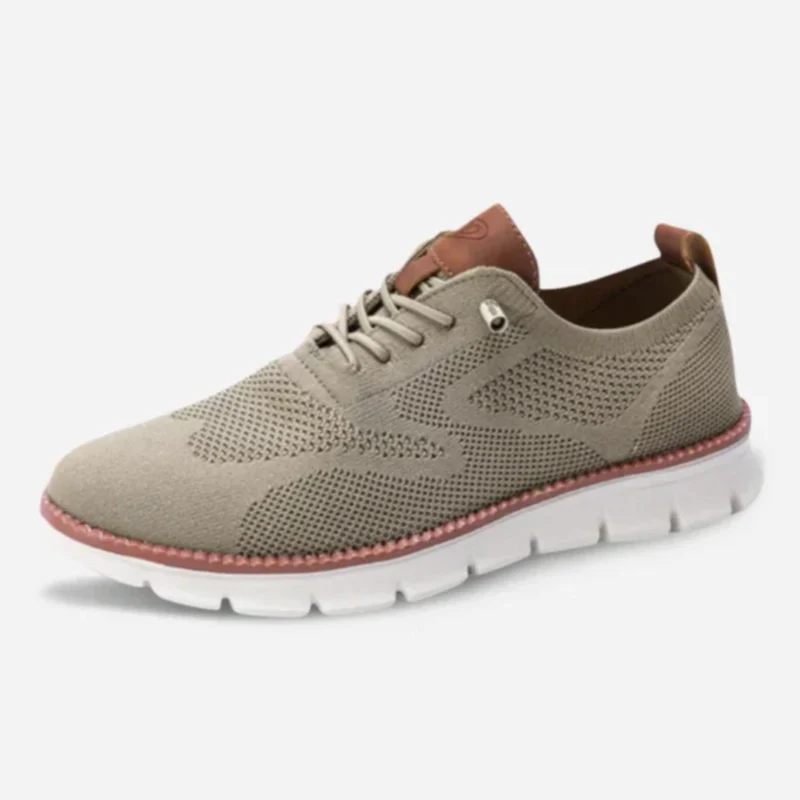
Every step you take matters—whether you’re exploring city streets, powering through your daily routine, or simply refusing to let foot discomfort slow you down. The CloudWalk – Ultra Comfortable Walking Shoes wraps your feet in therapeutic cushioning that turns pavement into clouds, so you can go farther, stay longer, and feel better doing it.
The medical community’s resistance isn’t about rejecting innovation. Podiatrists worry about acute injuries and chronic conditions that emerge from improper use. They treat stress fractures, plantar fasciitis, and Achilles tendinitis linked to barefoot shoe transitions.
Most podiatrists acknowledge that traditional shoes can weaken feet over time. However, they believe the solution requires careful implementation rather than an immediate switch to minimal protection.
Core Reasons Behind Podiatric Opposition
Lack of Arch Support
Traditional podiatric training emphasizes arch support as essential for foot health. Barefoot shoes provide zero structural support. The flat insole contradicts decades of orthopedic principles.
Podiatrists argue that many adults have already developed fallen arches or flat feet. These conditions require support to prevent pain and further deterioration. Removing support suddenly can worsen existing problems.
Medical professionals see arch support as a protective measure. They believe it reduces strain on the plantar fascia and prevents overuse injuries.
Insufficient Cushioning
Barefoot shoes feature thin soles that provide minimal impact absorption. Podiatrists worry about the stress this places on joints and connective tissue.
Modern surfaces like concrete and asphalt are harder than natural terrain. Walking or running on these surfaces without cushioning increases ground reaction forces. These forces travel through the entire skeletal system.
Doctors treat patients with metatarsalgia (ball of foot pain) and heel pain from inadequate cushioning. They view padding as a practical necessity for urban environments.
Transition Period Dangers
The adjustment period for barefoot shoes carries significant risk. Podiatrists see patients who transition too rapidly and suffer injuries.
Your feet need months to adapt to minimalist footwear. Muscles, tendons, and ligaments must strengthen gradually. Bone density must increase in response to new stress patterns.
Many people ignore transition guidelines. They wear barefoot shoes for long walks or runs immediately. This leads to stress fractures in the metatarsals and tendinitis in the Achilles.
Pre-Existing Conditions
Podiatrists treat patients with various foot conditions that contradict barefoot shoe use:
- Diabetes: Reduced sensation requires maximum protection
- Arthritis: Joints need cushioning to reduce inflammation
- Neuropathy: Nerve damage demands protective footwear
- Severe bunions: Structural deformities require accommodation
- Plantar fasciitis: Acute inflammation benefits from support
These conditions represent a large portion of podiatric patients. Doctors cannot recommend footwear that worsens symptoms.
The Historical Context of Podiatric Training
Evolution of Orthopedic Footwear
Modern podiatry developed alongside shoe technology in the early 20th century. Doctors observed that supportive shoes reduced pain and deformity.
The profession built its foundation on correcting foot problems with orthotic devices and structured footwear. This approach proved effective for many patients.
Podiatric education reinforces these principles through years of study. Medical schools teach that support and cushioning protect feet from injury.
Research Base and Clinical Evidence
Most podiatric research focuses on traditional footwear and orthotics. Studies show that arch supports reduce pain for specific conditions. Cushioned shoes decrease impact forces during walking and running.
The research on barefoot shoes remains limited by comparison. Long-term studies are scarce. Many existing studies have small sample sizes.
Podiatrists rely on evidence-based medicine. They prefer treatments with extensive research backing. The lack of comprehensive barefoot shoe studies creates skepticism.
Technical Specifications: Traditional vs. Barefoot Shoes
| Feature | Traditional Shoes | Barefoot Shoes |
|---|---|---|
| Sole Thickness | 20-35mm | 3-10mm |
| Heel-to-Toe Drop | 8-12mm | 0mm (zero drop) |
| Arch Support | Built-in structural support | Flat, no support |
| Toe Box | Narrow, tapered | Wide, anatomical |
| Cushioning | EVA foam, gel inserts | Minimal to none |
| Flexibility | Rigid, structured | Highly flexible |
| Weight | 250-400g per shoe | 150-250g per shoe |
These differences explain why podiatrists view barefoot shoes as fundamentally different products. The specifications eliminate features doctors consider protective.
Biomechanical Concerns Explained
Altered Gait Mechanics
Barefoot shoes change how you walk and run. The zero-drop platform shifts your center of gravity forward. Your stride length typically decreases. Cadence increases.
These changes affect your entire kinetic chain. Your knees, hips, and lower back experience different force patterns. Podiatrists worry about unintended consequences in these areas.
The forefoot or midfoot strike pattern common in barefoot shoes loads the calves and Achilles differently. This increases injury risk during the transition period.
Muscle Adaptation Requirements
Your feet contain over 100 muscles, tendons, and ligaments. Years of traditional shoe wear can weaken these structures. Barefoot shoes demand significantly more muscle activation.
The intrinsic foot muscles must work harder to maintain stability. The arches compress and recoil with each step. This strengthens feet over time but causes fatigue initially.
Podiatrists see patients whose muscles aren’t ready for this demand. Overuse injuries occur before adaptation completes.
Ground Feel and Proprioception
Thin soles provide excellent proprioceptive feedback. You feel ground texture and contours clearly. This improves balance and movement quality.
However, this sensitivity can become a liability. Sharp objects pose a greater threat. Temperature extremes affect comfort. Uneven surfaces cause more foot fatigue.
Doctors argue that protection matters more than sensation for most people. They prioritize injury prevention over sensory experience.
The Counter-Argument: When Barefoot Shoes Work
Gradual Transition Success Stories
Some people successfully transition to barefoot shoes without injury. They follow strict protocols:
- Start with 15-20 minutes daily
- Increase duration by 10% weekly
- Monitor pain and adjust accordingly
- Perform foot-strengthening exercises
- Mix barefoot and traditional shoes for months
These individuals strengthen their feet progressively. They avoid the injuries that podiatrists commonly treat.
Natural Foot Development
Children who grow up barefoot or in minimalist shoes develop stronger feet. Their arches form naturally through muscle development rather than external support.
Research shows that populations who rarely wear shoes have fewer foot deformities. Bunions, hammertoes, and neuromas are less common.
This evidence suggests that traditional shoes may cause problems they’re designed to prevent. However, this applies to lifelong patterns, not adult transitions.
Athletic Performance Benefits
Some athletes report improved performance in barefoot shoes. Runners cite better form and reduced injury rates after proper adaptation.
The natural movement patterns can enhance efficiency. Ground contact time decreases. Muscle activation patterns become more balanced.
These benefits require months of dedicated transition work. Most recreational exercisers lack the patience or knowledge to adapt properly.
Every step you take matters—whether you’re exploring city streets, powering through your daily routine, or simply refusing to let foot discomfort slow you down. The CloudWalk – Ultra Comfortable Walking Shoes wraps your feet in therapeutic cushioning that turns pavement into clouds, so you can go farther, stay longer, and feel better doing it.
What Podiatrists Recommend Instead
Modified Minimalism Approach
Progressive podiatrists suggest a middle path. They recommend shoes with some minimalist features but not all:
- Moderate cushioning: 15-20mm stack height
- Low heel drop: 4-6mm instead of zero
- Wide toe box: Anatomical fit without compression
- Some flexibility: Not completely rigid
- Gradual transition: Mix with traditional shoes
This approach reduces injury risk while promoting foot strength.
Foot Strengthening Exercises
Many podiatrists now prescribe intrinsic foot strengthening exercises. These prepare feet for less supportive footwear:
- Toe spreads and curls
- Arch doming exercises
- Single-leg balance work
- Calf raises and toe walks
- Towel scrunches
These exercises build foot strength without the injury risk of immediate barefoot shoe use.
Individual Assessment
Forward-thinking podiatrists assess each patient individually. They consider:
- Current foot strength and flexibility
- Injury history and risk factors
- Activity level and goals
- Existing foot conditions
- Body weight and biomechanics
This personalized approach acknowledges that barefoot shoes suit some people but not others.
Real Risks Backed by Clinical Data
Stress Fracture Incidence
Studies show increased metatarsal stress fracture rates during barefoot shoe transitions. The second and third metatarsals are most vulnerable.
These injuries require 6-8 weeks of rest and modified activity. Some cases need immobilization in a walking boot. The recovery process disrupts training and daily life.
Podiatrists see these fractures regularly in their practices. The pattern correlates clearly with recent barefoot shoe adoption.
Achilles Tendon Injuries
The Achilles tendon experiences greater load in zero-drop shoes. Research confirms higher strain rates during running.
Tendinitis develops gradually from accumulated stress. The condition can become chronic without proper treatment. Severe cases lead to tendon rupture.
Plantar Fascia Strain
Barefoot shoes increase tension on the plantar fascia during the transition period. This thick band of tissue supports the arch.
Overload causes inflammation and micro-tears. The resulting plantar fasciitis creates sharp heel pain, especially with first steps after rest.
Treatment requires months of physical therapy, stretching, and sometimes orthotics. The condition often becomes recurrent.
Who Should Avoid Barefoot Shoes Completely
Podiatrists strongly advise against barefoot shoes for certain groups:
- People over 50 with decreased bone density
- Individuals with active foot pain or injuries
- Anyone with significant biomechanical abnormalities
- Those with jobs requiring long periods of standing
- People unwilling to follow gradual transition protocols
- Individuals with diabetes or peripheral neuropathy
These populations face disproportionate risks compared to potential benefits.
Making an Informed Decision
Consult Professional Assessment
Schedule an appointment with a podiatrist before switching to barefoot shoes. Get a biomechanical evaluation. Discuss your specific foot health history.
A professional assessment identifies risk factors you might not recognize. This prevents avoidable injuries.
Start Conservative
If you decide to try barefoot shoes despite podiatric concerns, start extremely conservatively. Wear them for short periods in controlled environments.
Walk before you run. Use them indoors before outdoor activities. Listen to your body and stop at the first sign of pain.
Monitor Warning Signs
Watch for these indicators that barefoot shoes aren’t working:
- Sharp pain anywhere in the foot or ankle
- Swelling that doesn’t resolve overnight
- Pain that worsens progressively
- Discomfort that persists after removing shoes
- Changes in gait or limping
These symptoms require immediate attention and likely a return to traditional footwear.
The Future of Podiatric Opinion
Younger podiatrists show more openness to minimalist footwear. They recognize that traditional shoes may contribute to some foot problems.
The profession is slowly moving toward individualized recommendations rather than blanket opposition. Research continues to evolve understanding of foot health and shoe design.
However, the core concerns remain valid. Barefoot shoes work for some people but carry genuine risks. Podiatrists will likely continue cautioning patients about hasty transitions and unrealistic expectations.
The medical perspective emphasizes patient safety above trends. This conservative approach protects vulnerable populations even if it frustrates healthy individuals seeking alternative footwear options.
Your feet support your entire body for decades. Podiatrists believe protecting them requires careful consideration of footwear choices rather than following popular movements without proper guidance.
Every step you take matters—whether you’re exploring city streets, powering through your daily routine, or simply refusing to let foot discomfort slow you down. The CloudWalk – Ultra Comfortable Walking Shoes wraps your feet in therapeutic cushioning that turns pavement into clouds, so you can go farther, stay longer, and feel better doing it.